
Date: 03 September 2026 |
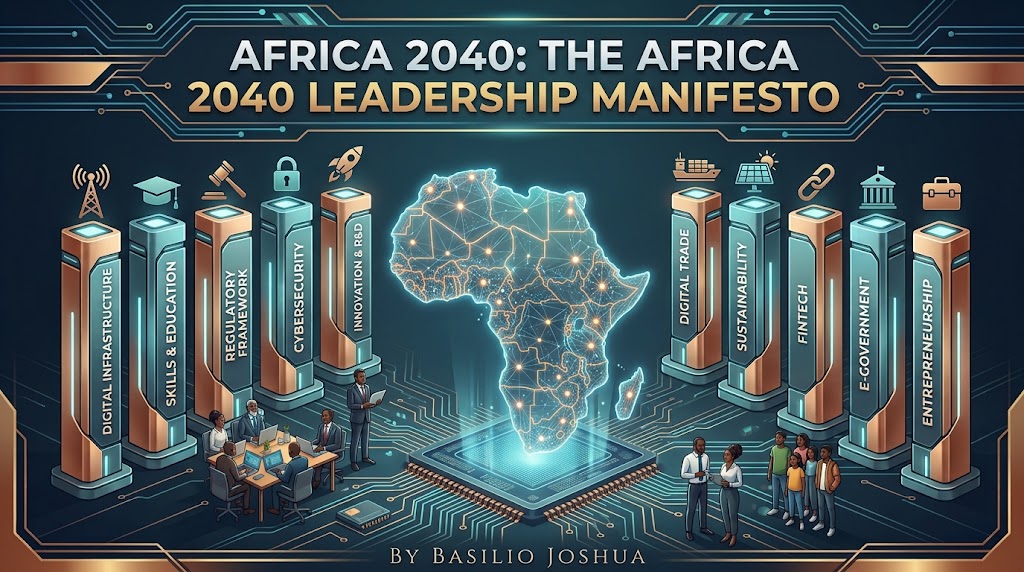
Africa 2040: The Africa 2040 Leadership Manifesto
"The future is not something we inherit. It is something we build." As this series comes to a close, one truth stands above every oth..
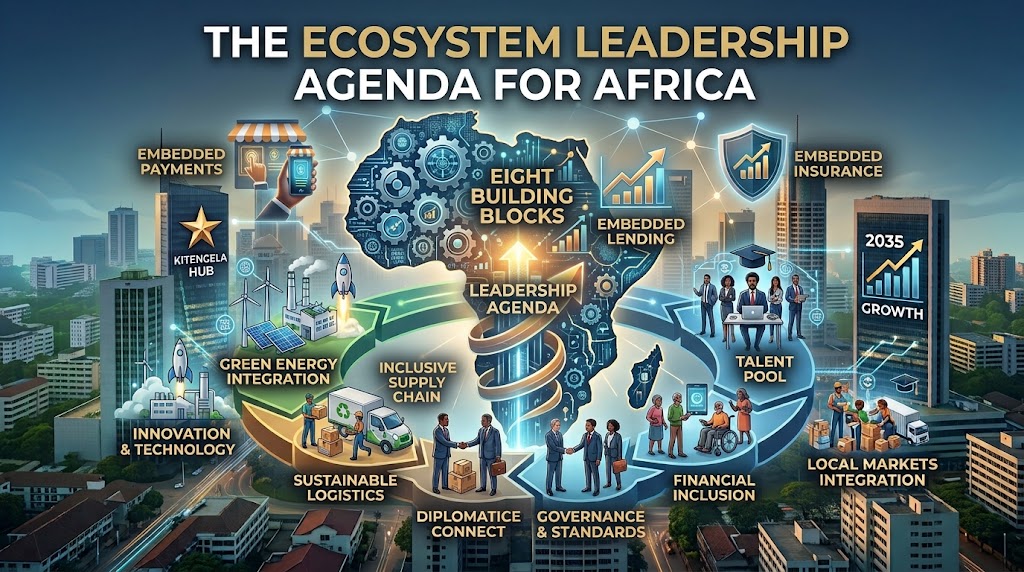
The next generation of global business leaders will not simply manage organisations.
They will orchestrate ecosystems.
This represents one of the most significant shifts in modern business history.
For decades, executive success was measured by market share, production capacity, operational efficiency, and financial performance.
These indicators remain important.
However, the digital economy has introduced new measures of success.
How many partners trust your platform?
How many developers build solutions around your services?
How many complementary businesses grow because of your ecosystem?
How many customers remain engaged because your platform solves multiple problems rather than a single need?
These questions define ecosystem leadership.
The organisations that answer them successfully will shape Africa's digital economy over the coming decades.
A Leadership Agenda for CEOs
Chief Executive Officers should begin by redefining the role of their organisation.
Instead of asking:
"What business are we in?"
They should ask:
"What ecosystem are we building?"
This subtle shift transforms strategic thinking.
A bank no longer provides only banking services.
It enables commerce.
A university no longer delivers only education.
It develops talent, research, innovation, entrepreneurship, and industry partnerships.
A healthcare provider no longer delivers only treatment.
It supports wellness, insurance, digital health, financing, diagnostics, and preventive care.
A logistics company no longer moves goods.
It enables trade.
Successful CEOs increasingly think beyond products towards interconnected value creation.
The organisation becomes a platform through which multiple participants succeed together.
Boards Must Govern Ecosystems
Boards have traditionally governed organisations.
The future requires governing networks.
Directors should increasingly review:
Platform strategy.
Partnership governance.
Digital trust.
Data governance.
Artificial intelligence oversight.
Cybersecurity resilience.
Customer ecosystem growth.
API strategy.
Innovation partnerships.
Cross-border expansion.
Traditional financial reporting should be complemented by ecosystem performance indicators.
How many active partners participate?
How much value is created across the network?
How quickly does innovation occur?
How effectively are customer needs evolving?
Governance must evolve alongside business models.
Governments Must Enable Digital Ecosystems
Governments remain central to platform economies.
Their role extends beyond regulation.
They create the conditions in which ecosystems flourish.
Investment priorities should include:
Digital infrastructure.
National digital identity.
Open data initiatives.
Interoperable payment systems.
Innovation-friendly regulation.
Cross-border digital trade.
Cybersecurity.
Digital public services.
Research funding.
Entrepreneurship support.
Public-private collaboration.
Government should increasingly function as an ecosystem enabler rather than solely a regulator.
Strong public institutions strengthen private innovation.
Universities Must Become Innovation Networks
Universities have always generated knowledge.
The future requires them to generate innovation ecosystems.
Successful universities increasingly connect:
Researchers.
Students.
Entrepreneurs.
Corporations.
Investors.
Governments.
Communities.
International partners.
Research should move beyond publication.
It should become commercialisation.
Problem solving.
Enterprise creation.
Technology transfer.
Policy development.
Universities become stronger when knowledge flows into society rather than remaining within academic institutions.
Investors Must Finance Ecosystems
Investment strategy is evolving.
Traditionally, investors evaluated individual companies.
Increasingly, they evaluate ecosystems.
Does the business attract partners?
Can developers build upon its platform?
Does it create network effects?
Can complementary businesses grow around it?
Does the ecosystem strengthen customer retention?
How resilient is the partnership model?
Investors increasingly recognise that ecosystems create stronger long-term competitive advantages than isolated businesses.
The future belongs to organisations that create opportunities for many participants rather than value for one organisation alone.
Entrepreneurs Should Think Platform-First
Entrepreneurs often begin by solving one specific problem.
That remains essential.
However, long-term success increasingly depends upon recognising adjacent opportunities.
Every successful product creates additional customer needs.
Every customer relationship creates opportunities for complementary services.
Every trusted platform creates opportunities for new partnerships.
Entrepreneurs should therefore continually ask:
Who else could create value through our platform?
Which services naturally complement ours?
How can our customers accomplish more without leaving our ecosystem?
This mindset transforms startups into platforms.
Platforms into ecosystems.
Ecosystems into industries.
Africa's Opportunity
Africa possesses unique strengths that support ecosystem development.
Young digital consumers.
Rapid mobile adoption.
Growing fintech capability.
Expanding entrepreneurial communities.
Increasing regional integration.
Untapped markets.
Digital public infrastructure.
The continent does not need to replicate platform models developed elsewhere.
It can design ecosystems reflecting African priorities.
Agricultural ecosystems connecting millions of farmers.
Educational ecosystems supporting lifelong learning.
Healthcare ecosystems improving community wellbeing.
Construction ecosystems accelerating infrastructure development.
Retail ecosystems supporting SMEs.
Tourism ecosystems connecting local businesses with global visitors.
Government ecosystems delivering citizen-centred services.
The opportunity extends beyond commercial success.
Platform economies can strengthen financial inclusion.
Expand employment.
Improve service delivery.
Accelerate regional trade.
Support sustainable development.
Measuring Ecosystem Success
Traditional organisations measure success through revenue, profit, assets, and market share.
Platform organisations require broader measures.
Partner growth.
Customer engagement.
Network participation.
Innovation velocity.
Developer activity.
Platform reliability.
Trust.
Social impact.
Cross-sector collaboration.
Financial inclusion.
Environmental sustainability.
Leadership therefore expands beyond financial performance towards ecosystem health.
Healthy ecosystems generate sustainable commercial success.
My Perspective
Throughout this series, one consistent message has emerged.
Africa's future competitiveness will depend less on individual organisations and more on interconnected ecosystems.
Digital transformation created the opportunity.
Artificial intelligence accelerated the opportunity.
Data strengthened the opportunity.
Cybersecurity protects the opportunity.
Embedded finance expands the opportunity.
Platform economies organise the opportunity.
Leadership determines whether the opportunity becomes reality.
The organisations that dominate the next decade will not attempt to own every capability.
They will build trusted environments where others innovate, collaborate, invest, and grow.
That is the defining characteristic of ecosystem leadership.
For Africa, this represents an extraordinary moment.
The continent has the opportunity to become the world's leading laboratory for inclusive digital ecosystems.
Not because it copies existing business models.
But because it creates new ones.
The future belongs to those who understand that sustainable competitive advantage no longer comes from standing above everyone else.
It comes from lifting everyone else together.
That is the true power of the platform economy.
________________________________________
Executive Insights
? Platform economies are redefining competitive advantage through collaboration rather than ownership.
? Ecosystem leadership is becoming a core executive capability.
? Governments, universities, investors, corporations, and entrepreneurs all contribute to successful digital ecosystems.
? Platform businesses should measure ecosystem health alongside financial performance.
? Africa has an opportunity to build globally competitive digital ecosystems tailored to its unique economic and social realities.
Have something to say about this?
Thoughts on fintech, education and building ventures in Kenya. Full pieces on the Articles page.
"The future is not something we inherit. It is something we build." As this series comes to a close, one truth stands above every oth..
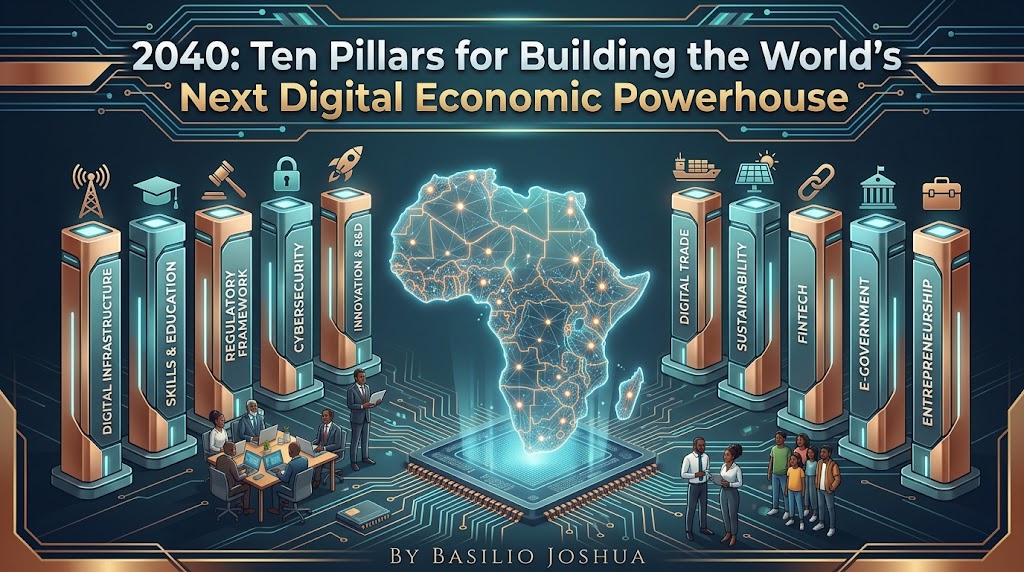
Every successful nation is built upon a clear vision supported by deliberate action. Economic transformation does not occur through isolated pr..
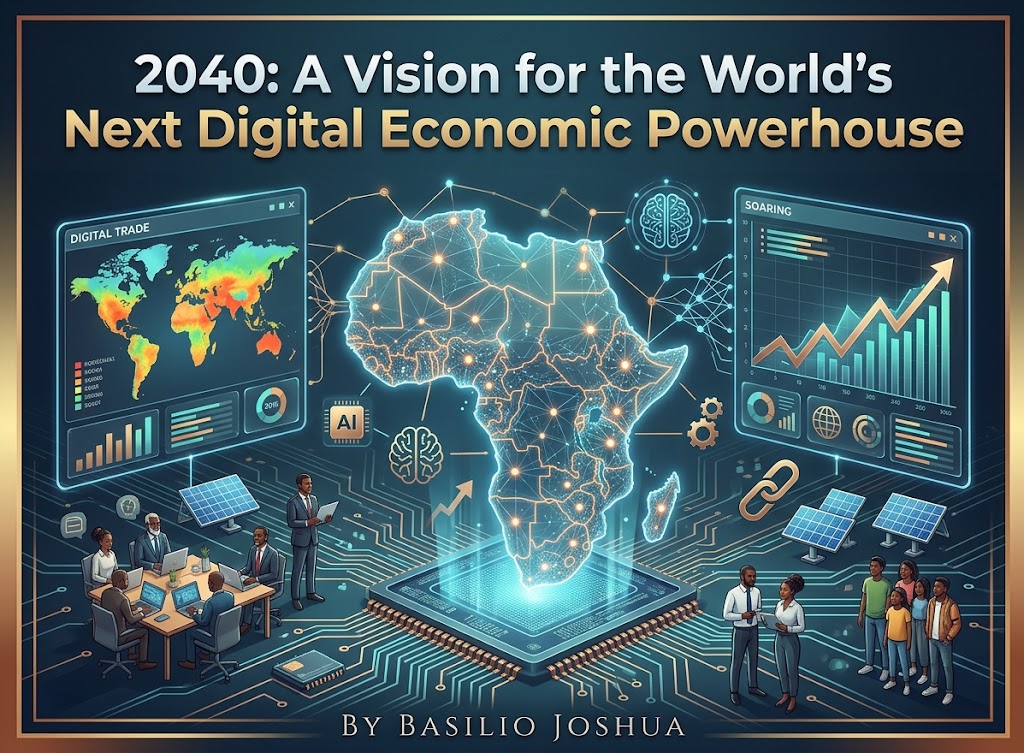
Every generation is presented with a defining opportunity. Some generations inherit stability and are asked to preserve it. Others inher..
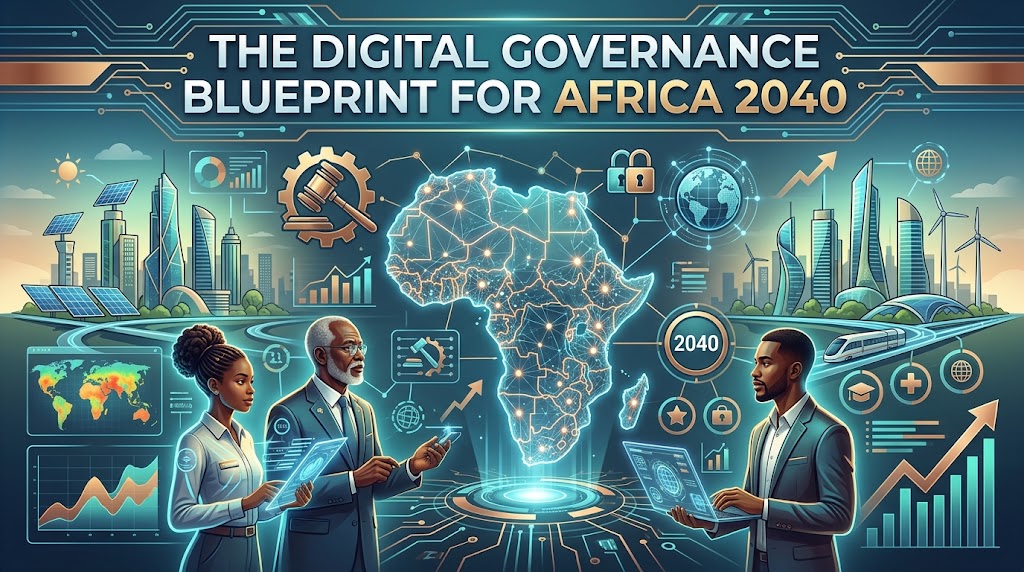
The future of Africa will not be determined solely by the technologies it adopts. It will be determined by the institutions it builds. H..
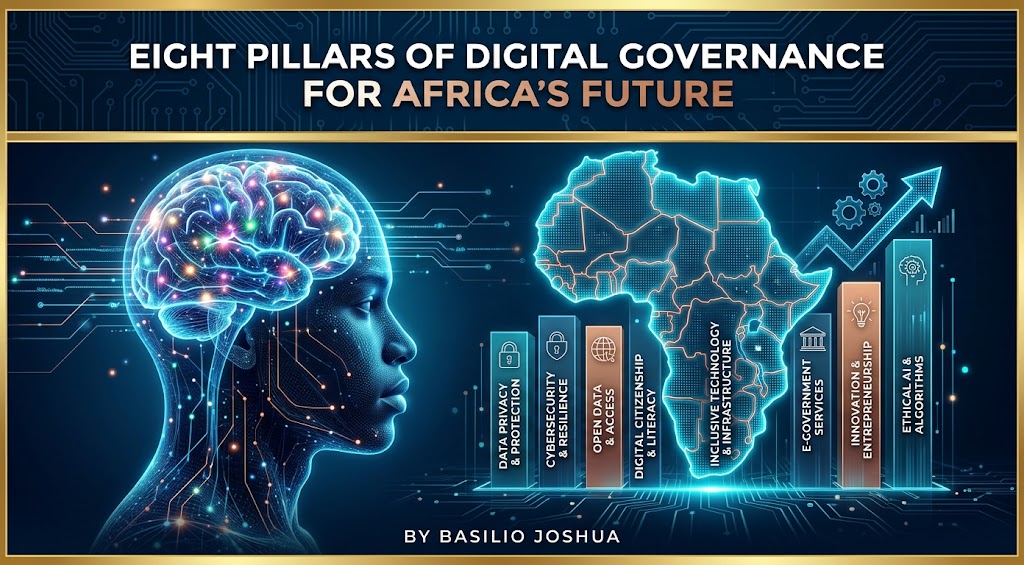
The success of digital governance is not measured by the number of government websites, online portals, or mobile applications. It is measured ..
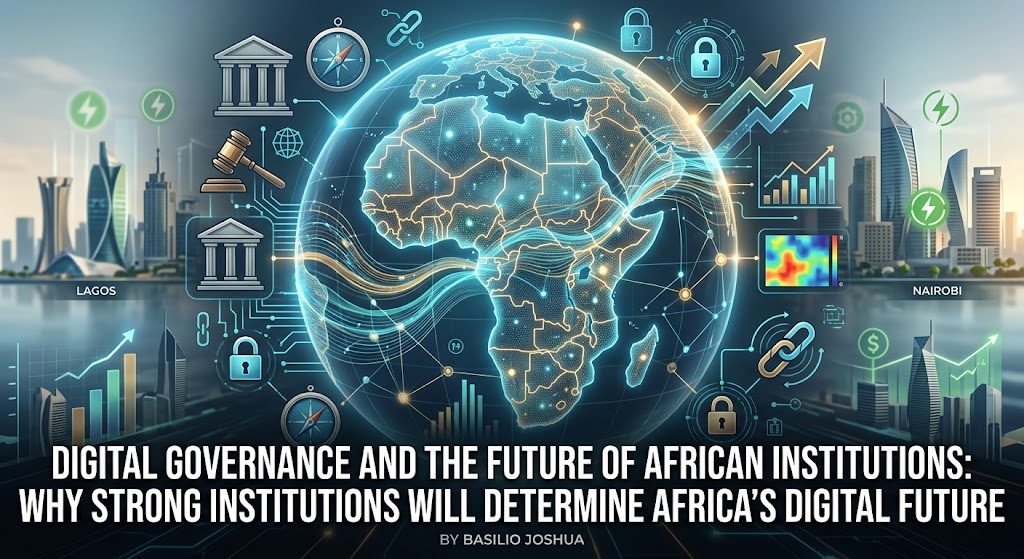
Africa is experiencing one of the most significant periods of transformation in its history. Digital technologies are changing how governments ..
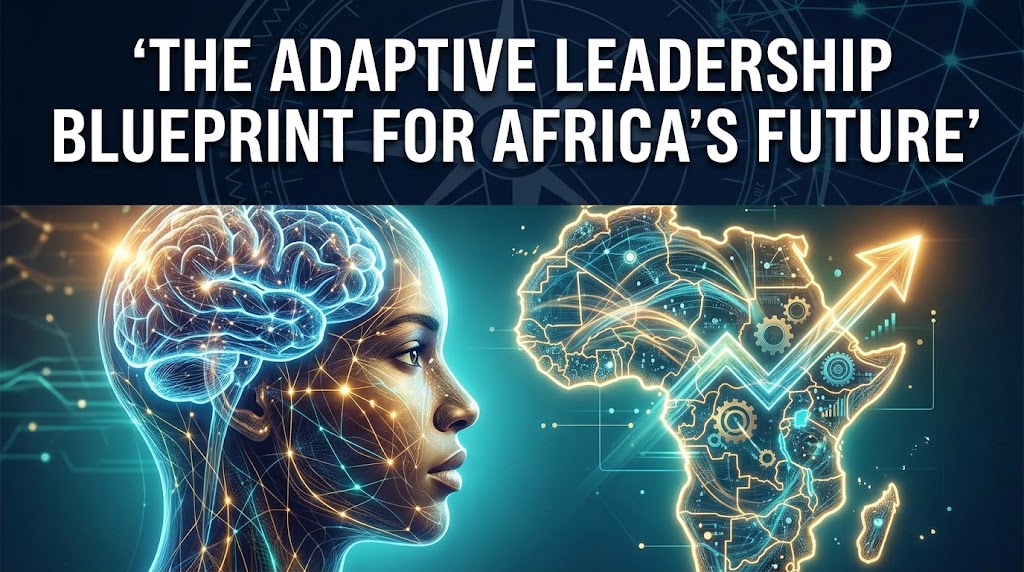
Every period of profound transformation ultimately asks one defining question. Who is prepared to lead? Not who possesses the mo..
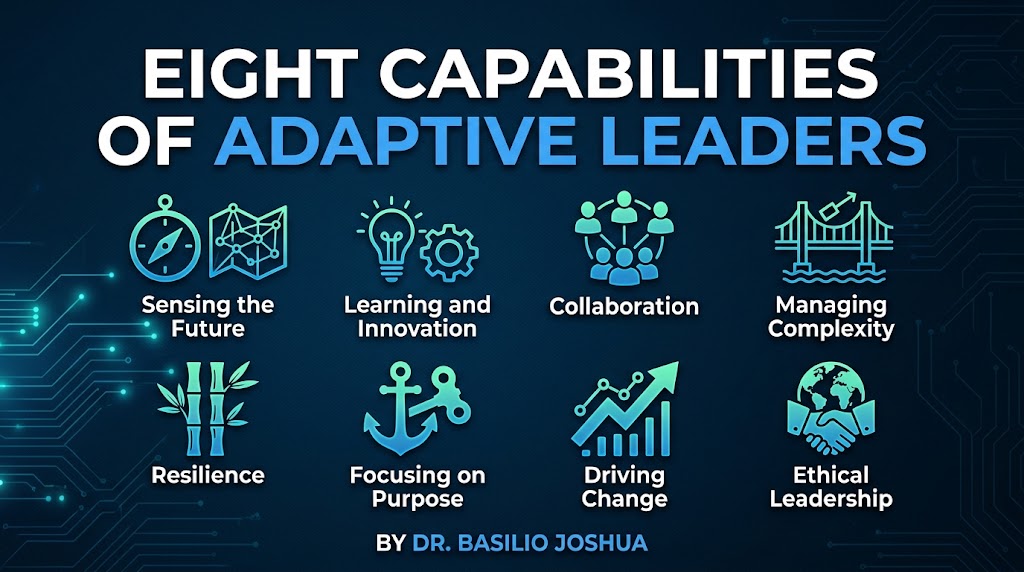
Leadership has never been easy. Today, it has become significantly more complex. Chief executives must navigate technological disruption..
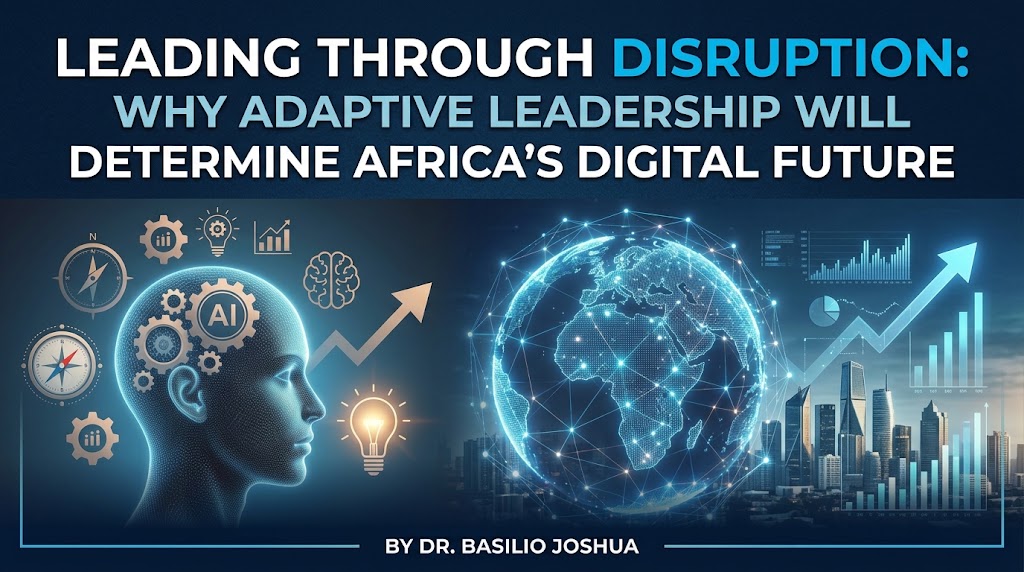
Every generation of leaders faces defining challenges. Previous generations navigated industrialisation, economic liberalisation, political tra..
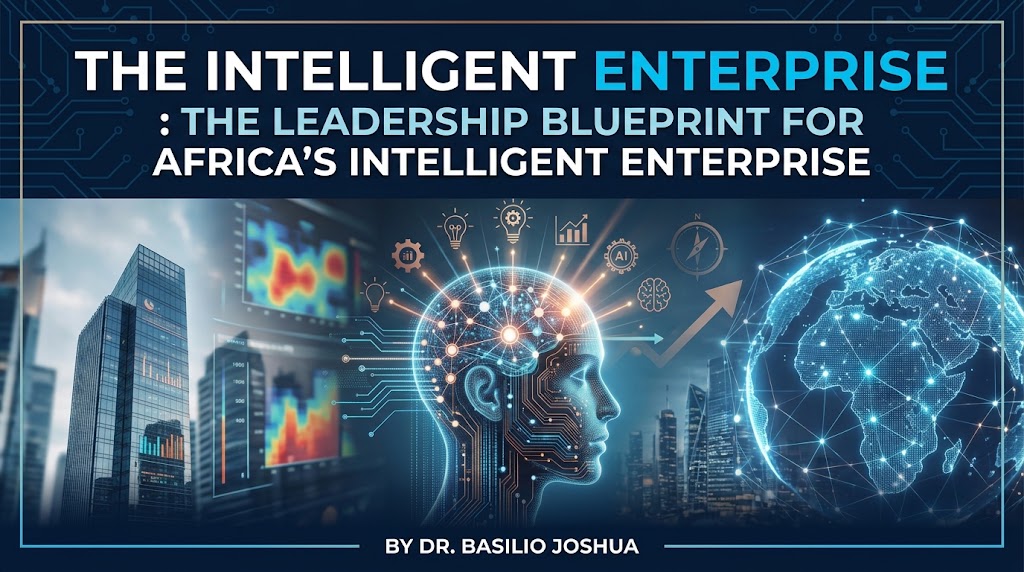
Every era produces an organisational model that defines competitive advantage. The Industrial Revolution gave rise to the manufacturing enterpr..
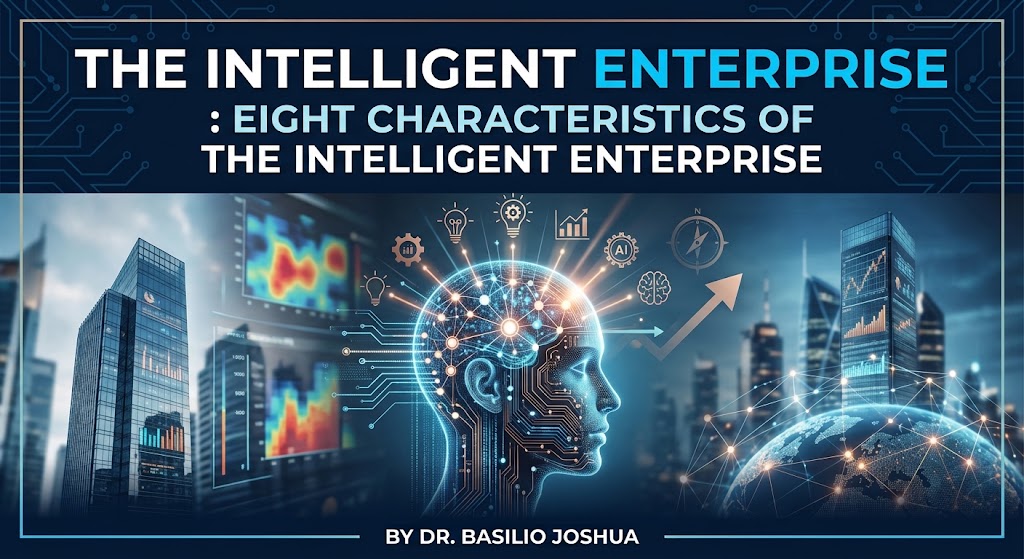
Becoming an intelligent enterprise is not about purchasing the latest technology. Nor is it about implementing artificial intelligence simply b..
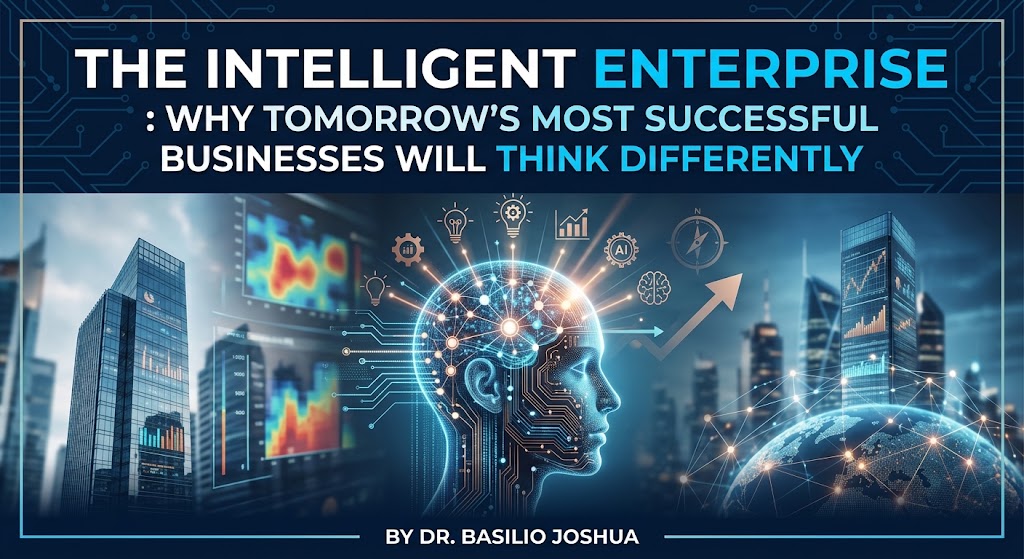
Throughout business history, organizations have continuously reinvented themselves. The Industrial Age rewarded efficiency. The Informat..
The next generation of global business leaders will not simply manage organisations. They will orchestrate ecosystems. This represents o..
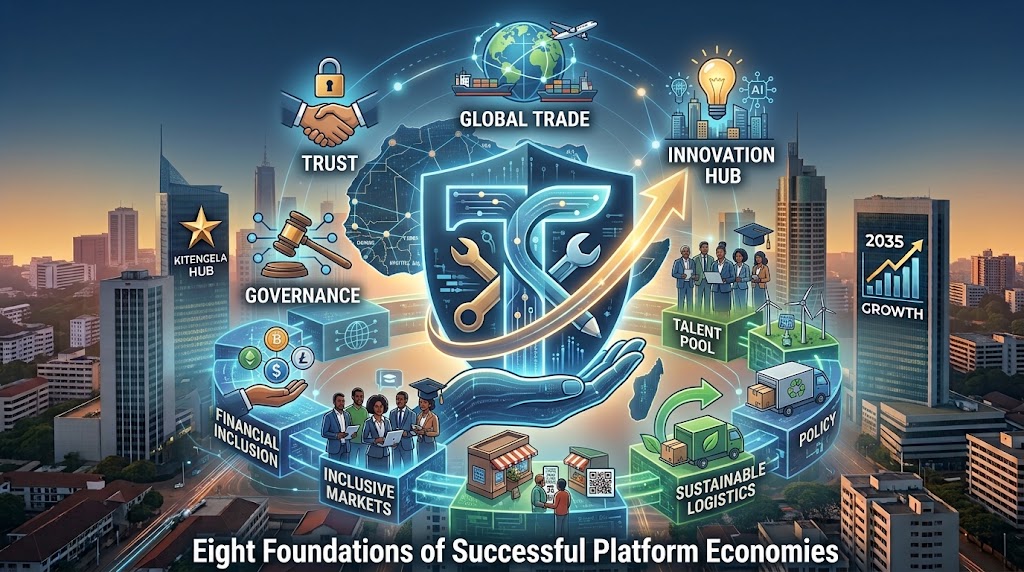
The success of a platform business is rarely determined by technology alone. Many organisations build impressive digital applications that fail..
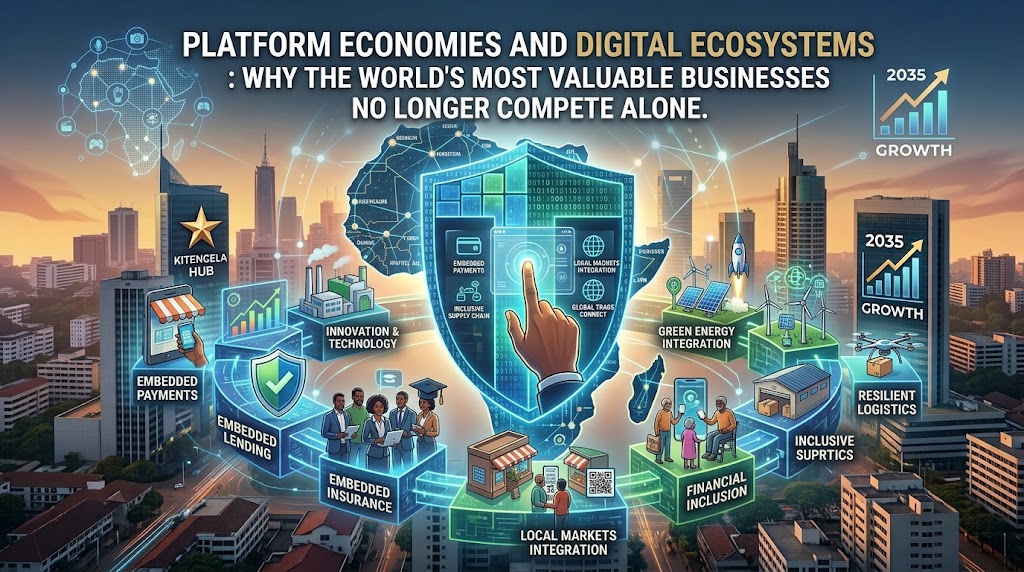
For much of modern business history, competitive advantage depended on ownership. The organisation that owned the largest factory often produce..
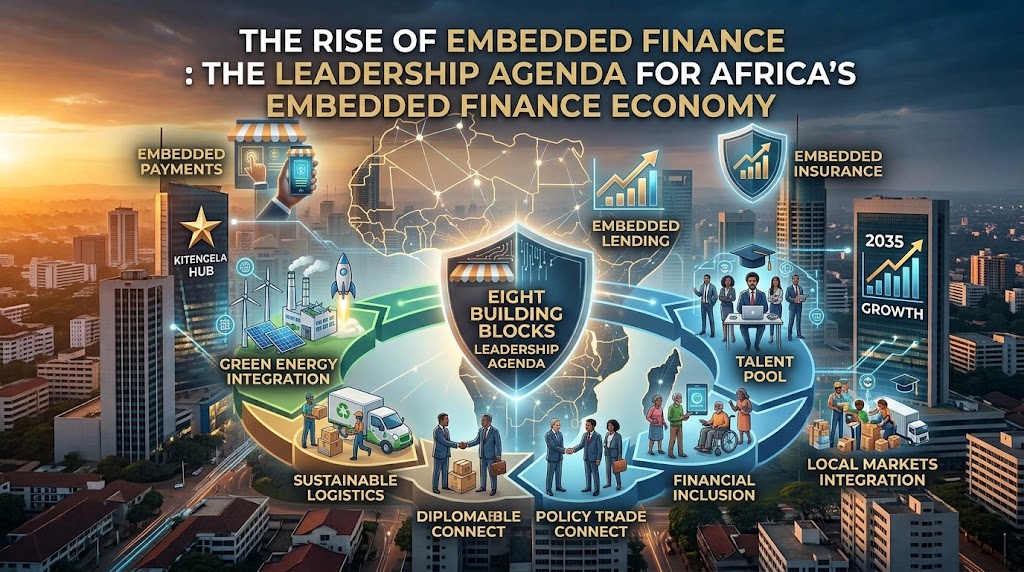
Every major technological shift eventually changes the structure of entire industries. The internet transformed communication. Cloud com..
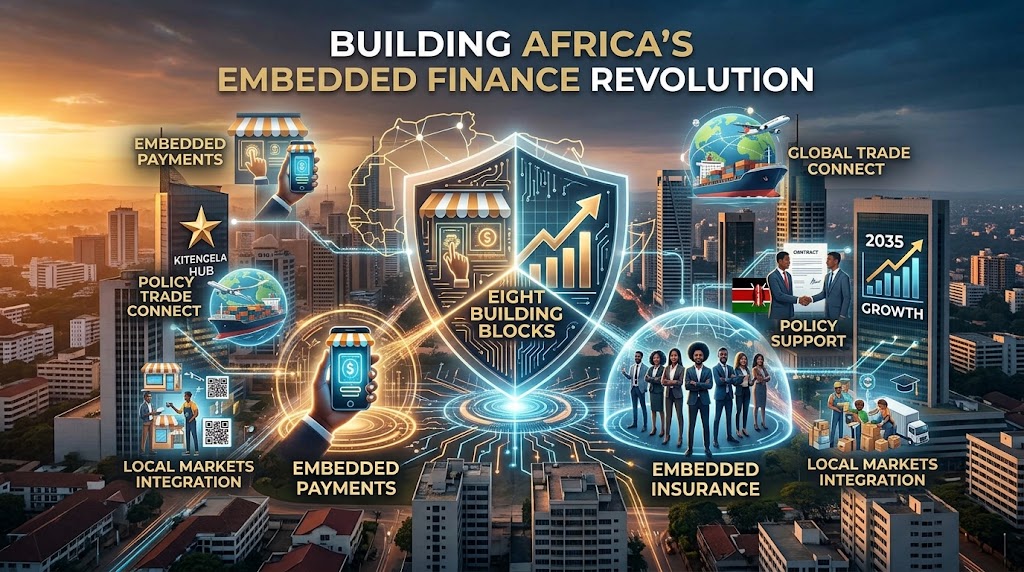
The first generation of digital financial services focused primarily on digitising transactions. Cash became digital. Branches became mo..
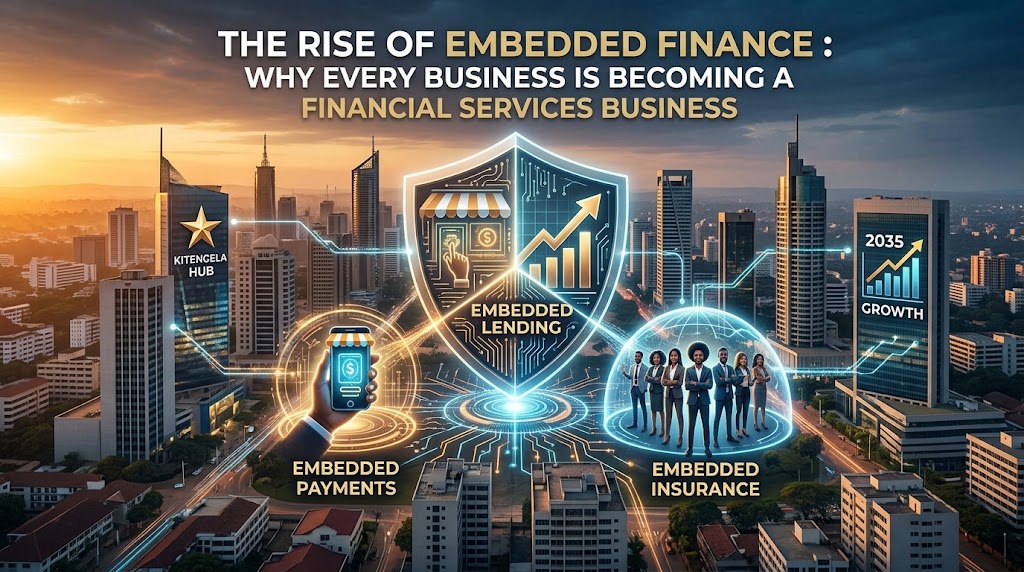
For decades, financial services belonged almost exclusively to financial institutions. Banks accepted deposits. Insurance companies mana..
History consistently demonstrates that nations prosper when entrepreneurship becomes embedded in their economic fabric. Silicon Valley transfor..
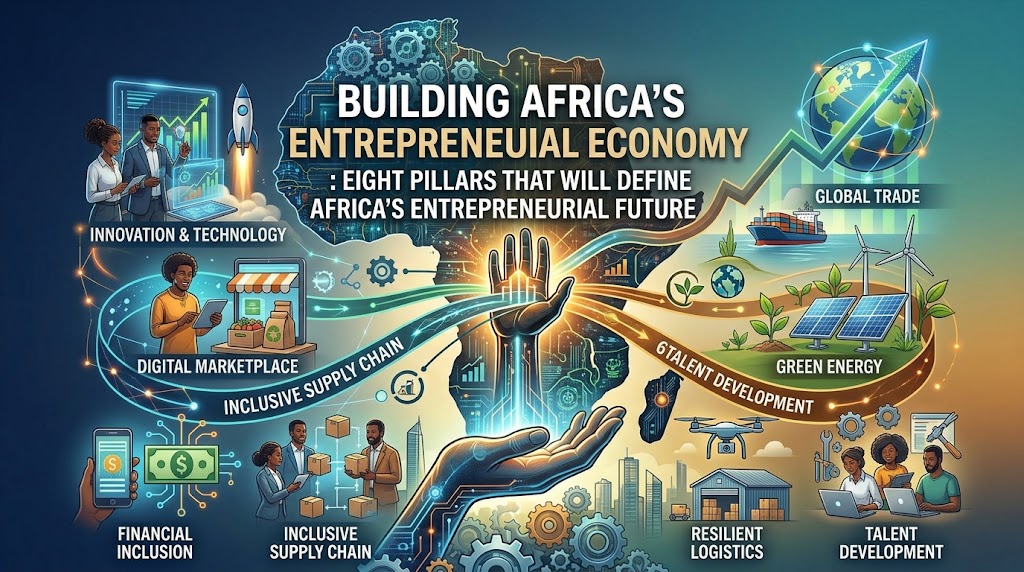
Entrepreneurship has always been a powerful force for economic transformation. What is changing today is the scale of opportunity. Artif..
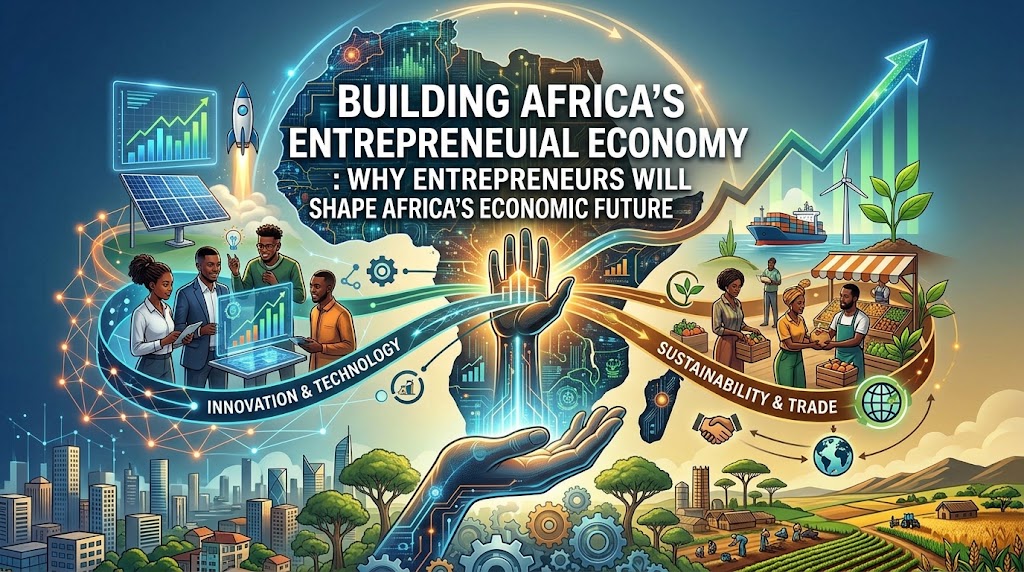
Throughout history, economic transformation has rarely been driven by governments alone. Nor has it been created solely by large corporations...
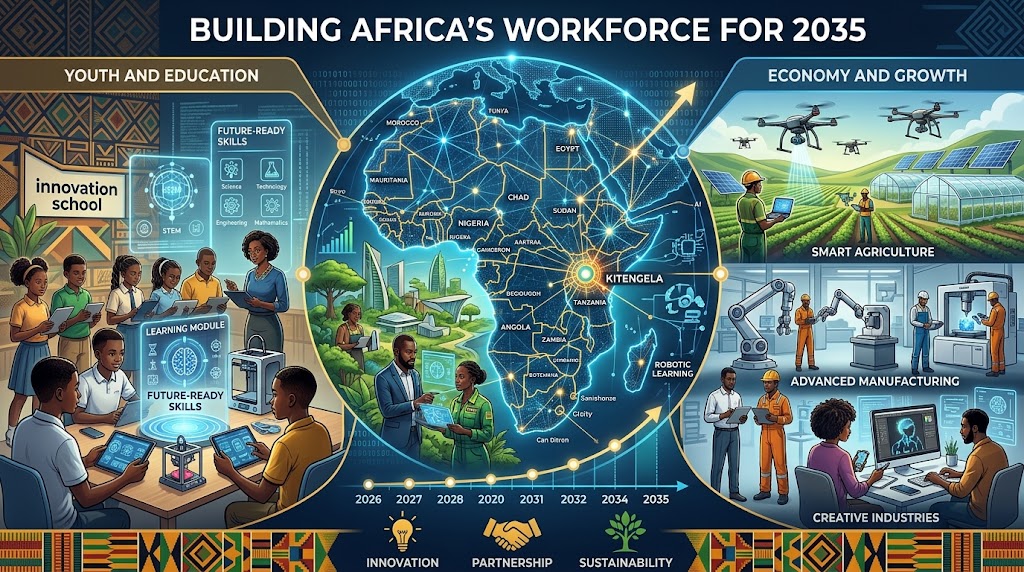
Every generation experiences a defining moment that reshapes the world of work. For our grandparents, it was industrialisation. For our ..
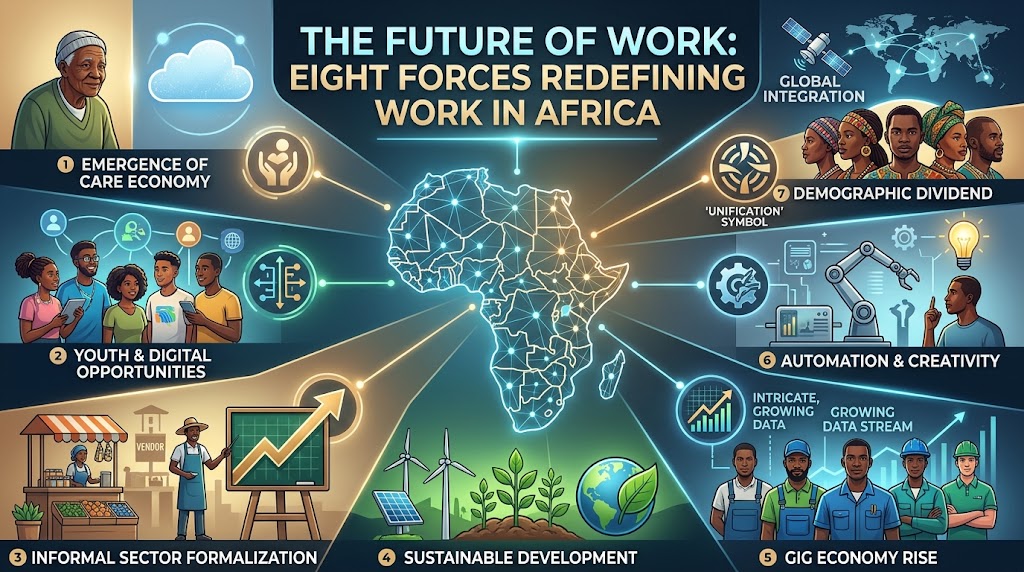
The workplace of the future will not emerge because of a single technological breakthrough. It is being reshaped by multiple forces acting simu..
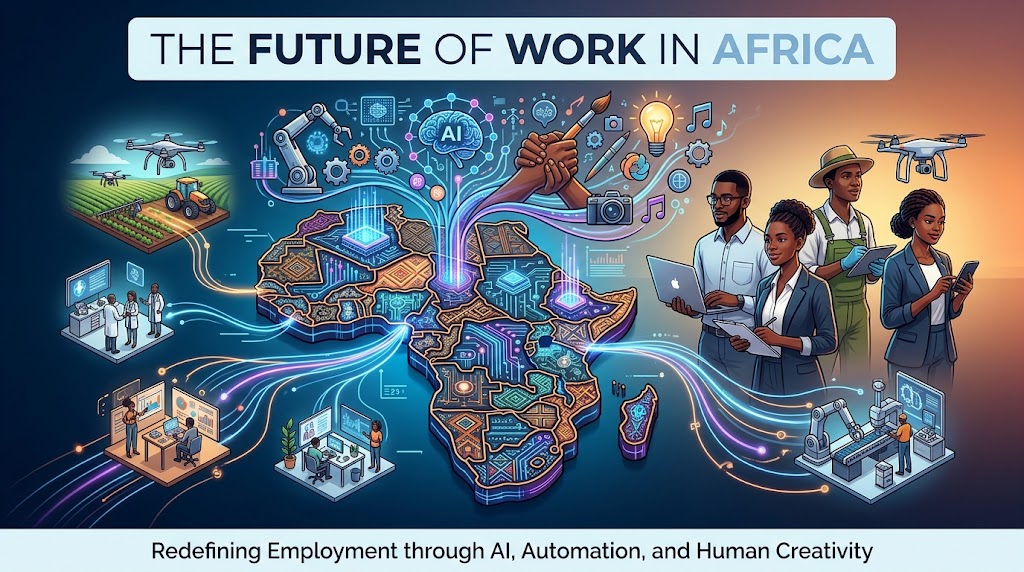
Few subjects generate as much discussion today as the future of work. Across boardrooms, classrooms, government offices, factories, banks, hosp..

Every technological revolution creates new opportunities. It also creates new responsibilities. The Industrial Revolution required new a..
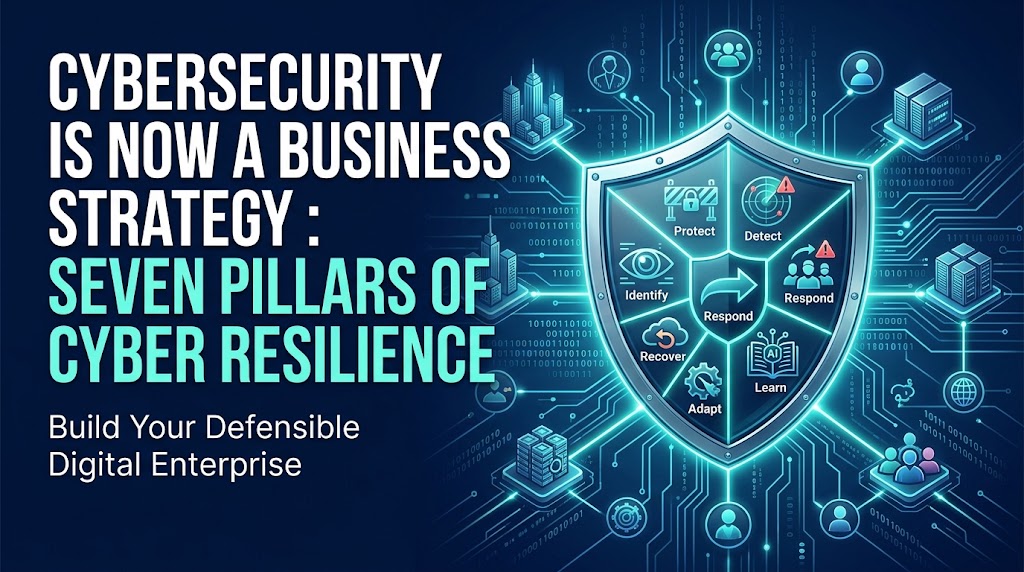
Cybersecurity has traditionally been measured by technical controls. Firewalls. Antivirus software. Encryption. Passwords. Security monitoring. These ..
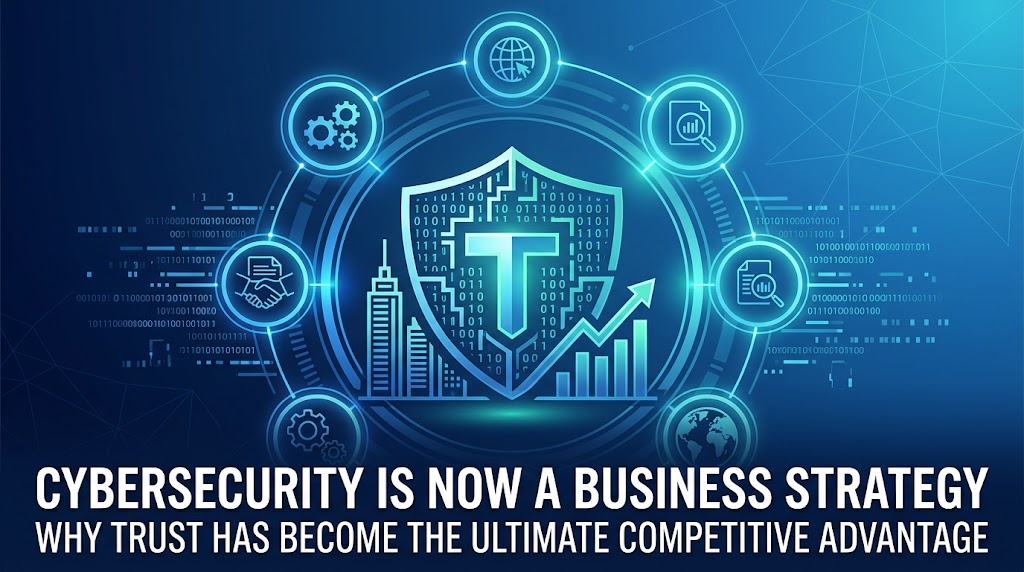
Not long ago, cybersecurity was viewed as a technical issue. It belonged in the server room. It was managed by information technology de..
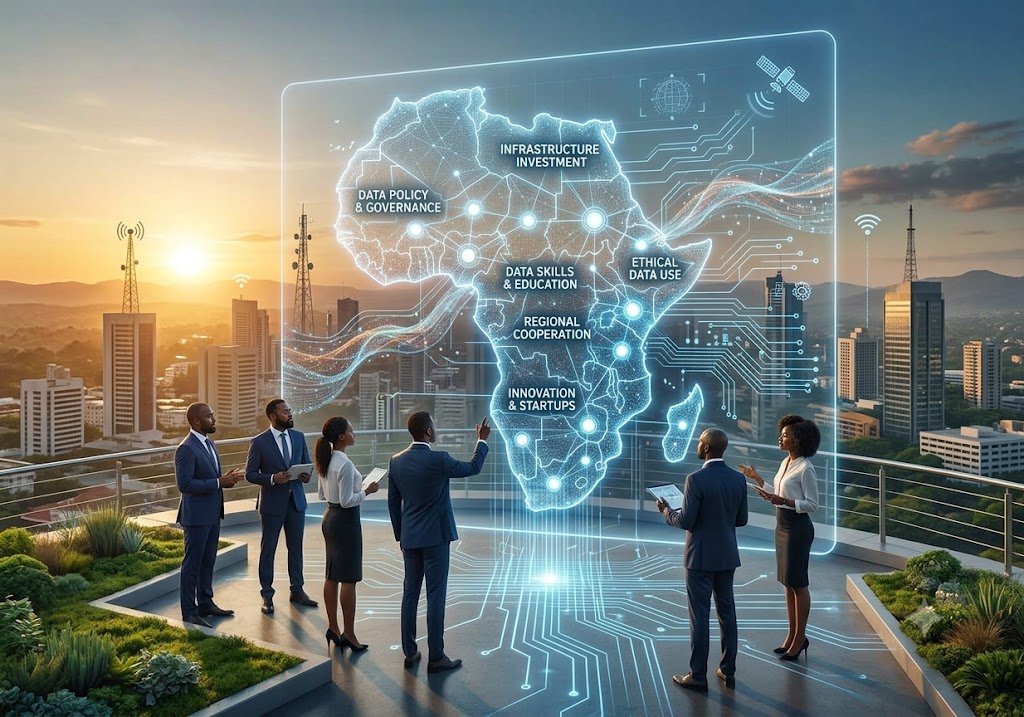
Data has become one of the defining resources of the twenty-first century. Unlike natural resources, however, data does not diminish when it is..

Collecting data has become relatively easy. Creating value from data remains difficult. Across Africa, organisations are investing heavi..
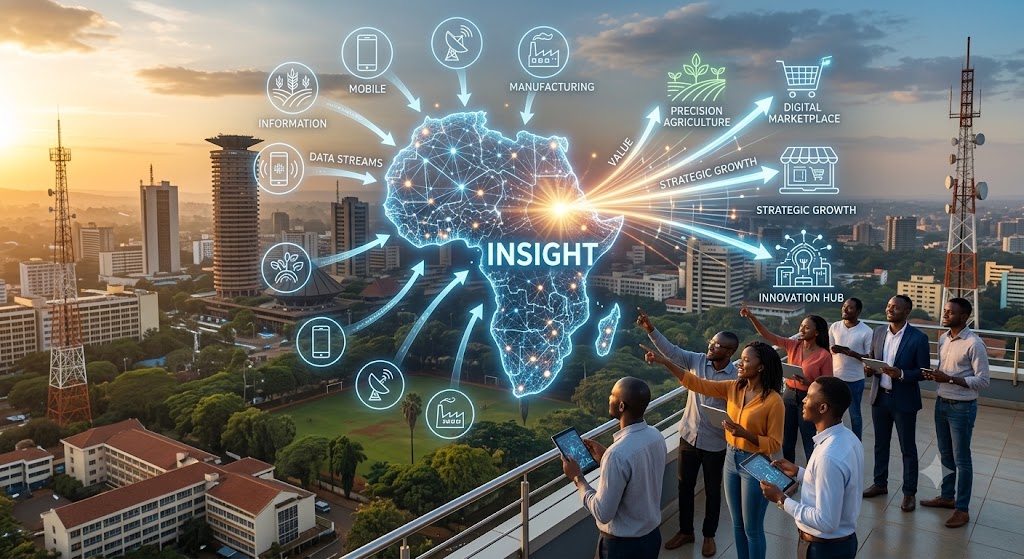
For years, business leaders have heard a familiar phrase: "Data is the new oil." It is an appealing comparison. ..

Financial inclusion is often measured using statistics. The number of bank accounts opened. The volume of digital transactions processed..
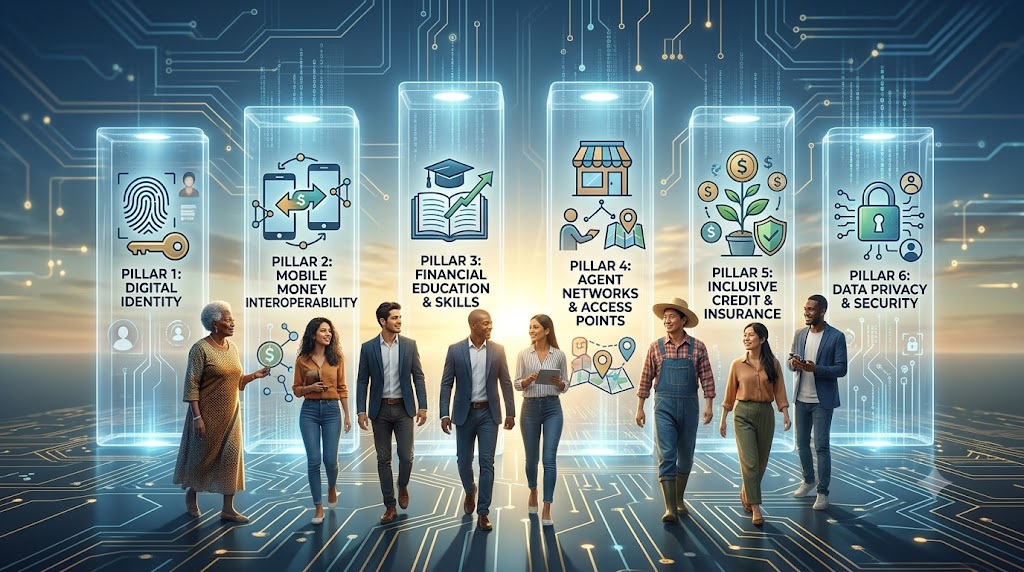
Africa's next chapter of financial inclusion will not be written by one institution or one technology. It will be shaped by an ecosystem o..
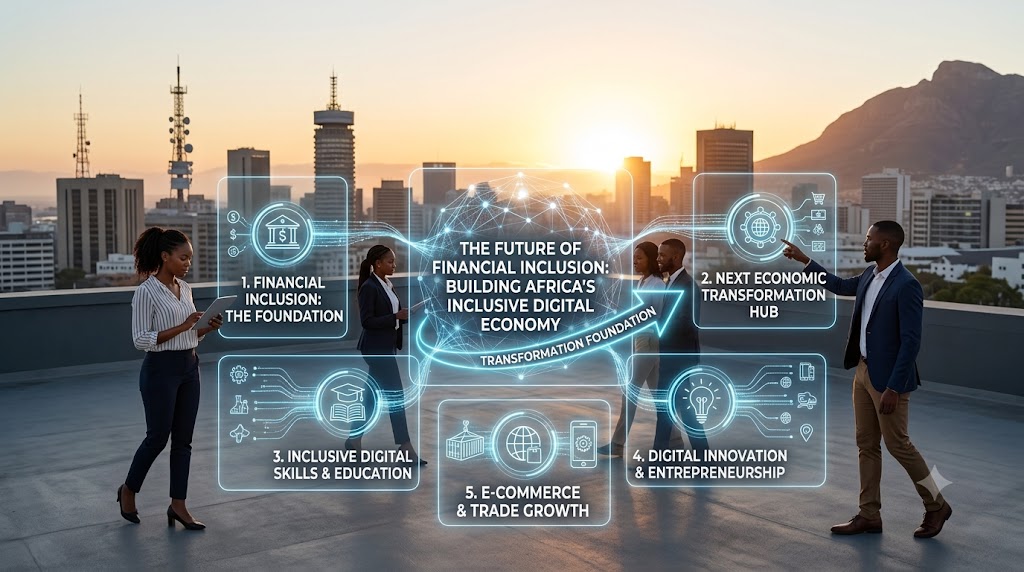
Few ideas have reshaped Africa's economic landscape more profoundly than financial inclusion. Over the past two decades, millions of peopl..
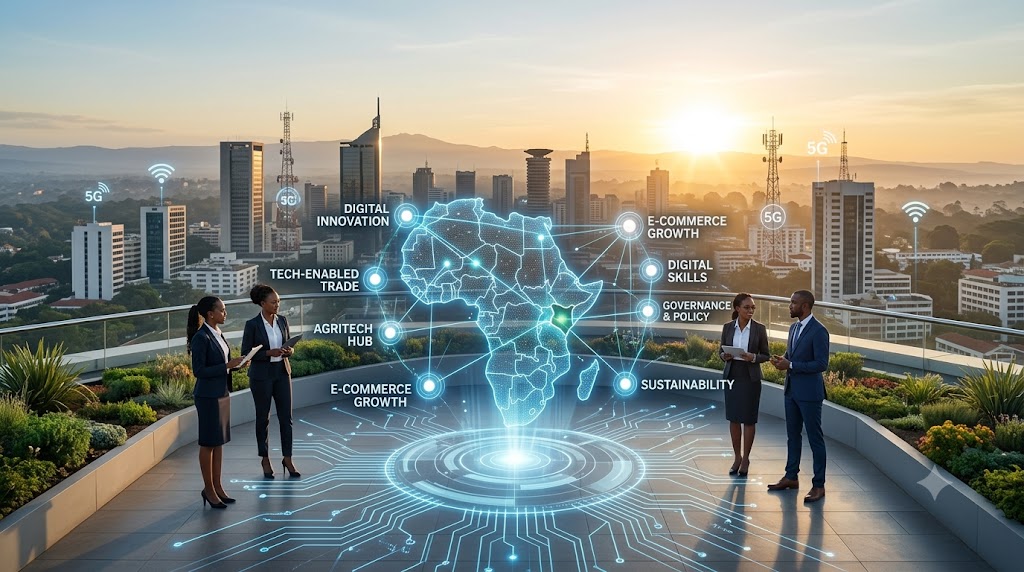
Kenya has already demonstrated that bold innovation can transform a nation's economic trajectory. From pioneering mobile money to becoming..
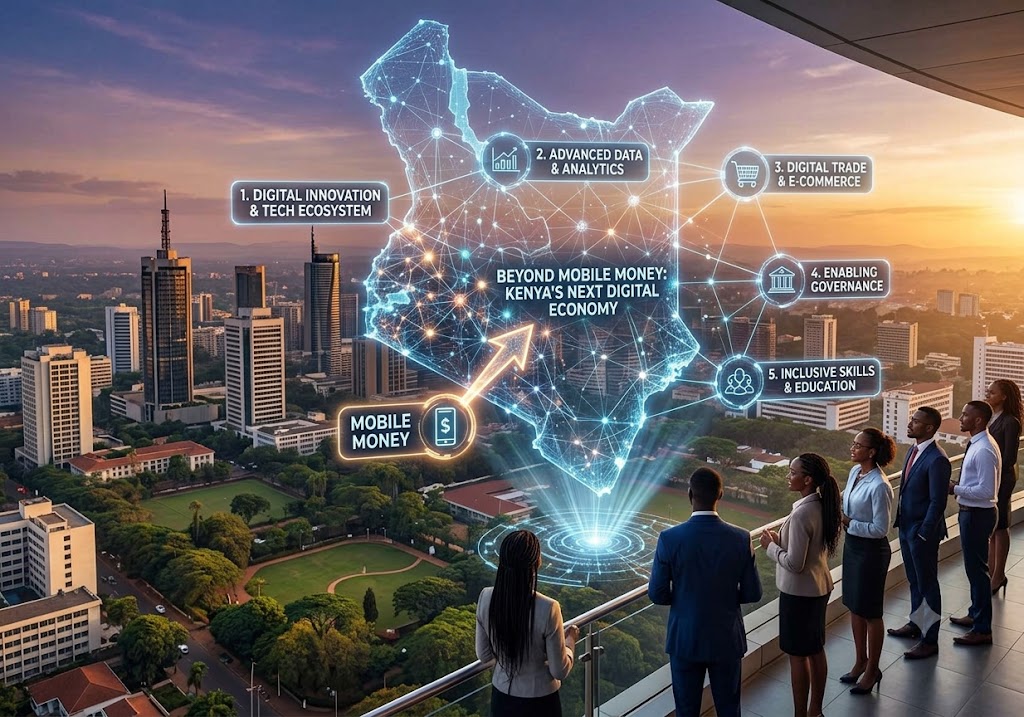
Kenya's reputation as a global leader in mobile money was earned through bold innovation, strong public-private collaboration, and a willingness ..

For more than a decade, Kenya has been recognised as one of the world's most influential digital innovation success stories. What began as..

Throughout history, the nations and organisations that have achieved lasting prosperity have not necessarily been those with the greatest natural reso..

If innovation is fundamentally a leadership choice, then an important question naturally follows: What do innovative leaders do differe..

Walk into the headquarters of almost any successful organisation today and one word is almost guaranteed to appear somewhere in its corporate literatu..

Every major technological revolution has produced winners and losers. The difference has rarely been access to technology alone. More often, it has be..
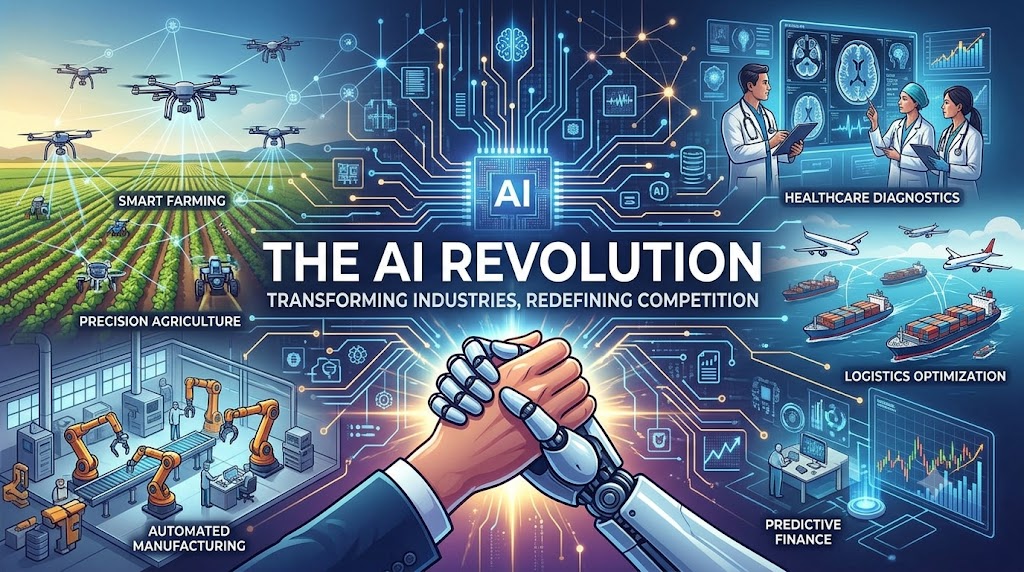
If the first wave of Africa's digital transformation was driven by mobile connectivity and digital payments, the next wave is being shaped by art..
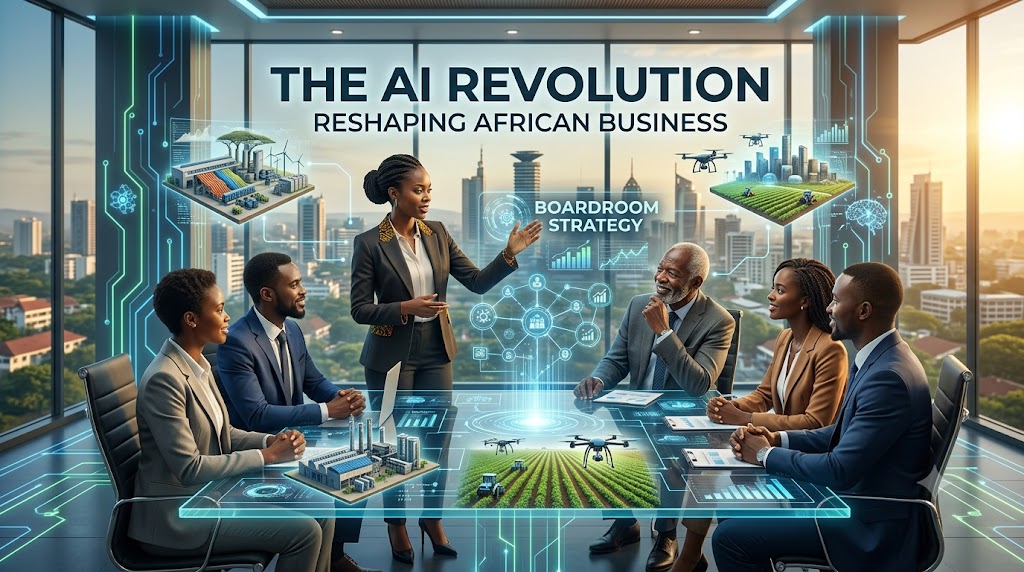
Not long ago, artificial intelligence belonged largely to the world of science fiction. It was imagined as intelligent robots, futuristic cities, and ..
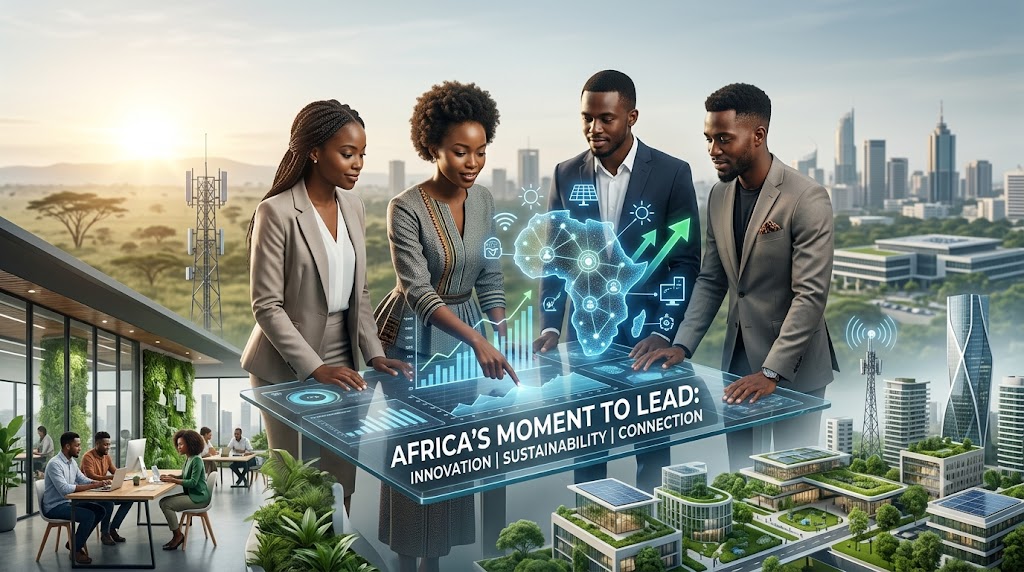
The future has a remarkable way of arriving quietly. It rarely announces itself with a single breakthrough or dramatic event. Instead, ..

In boardrooms across Africa, one conversation is becoming increasingly common. Senior executives are approving investments in enterprise software, clo..
On any given morning in Nairobi, Lagos, Kigali, Johannesburg, or Accra, millions of business transactions take place without a single exchange of cash..
Have a question, partnership idea, or want to get in touch? Send a message below.
+254 721 138 939
Pili Trade Centre, Mombasa Road, Nairobi. 1st Floor, Suite A110
ideashub@basiliojoshua.co.ke
 Lets Connect
Be the first to Comment