
Date: 03 September 2026 |
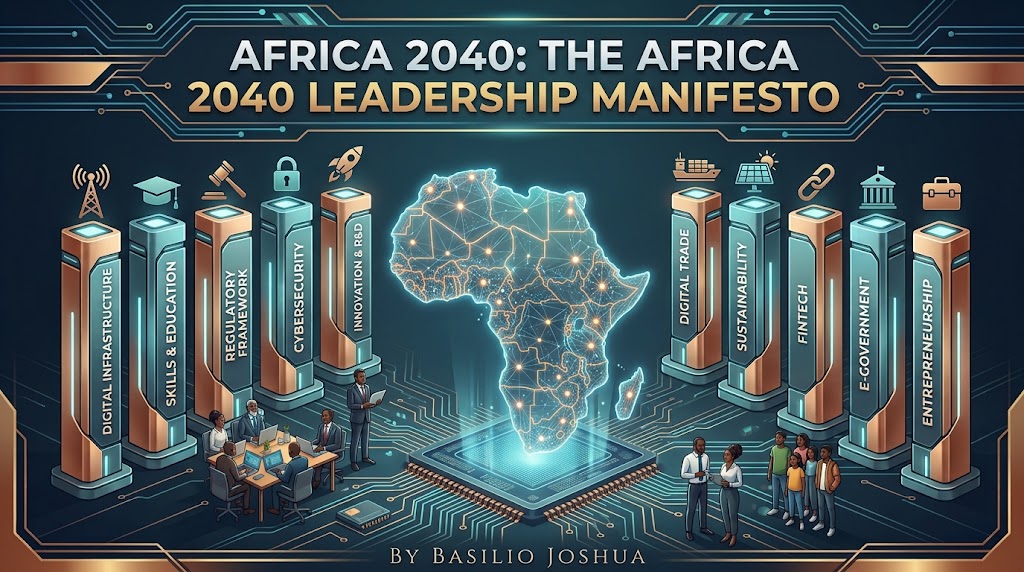
Africa 2040: The Africa 2040 Leadership Manifesto
"The future is not something we inherit. It is something we build." As this series comes to a close, one truth stands above every oth..
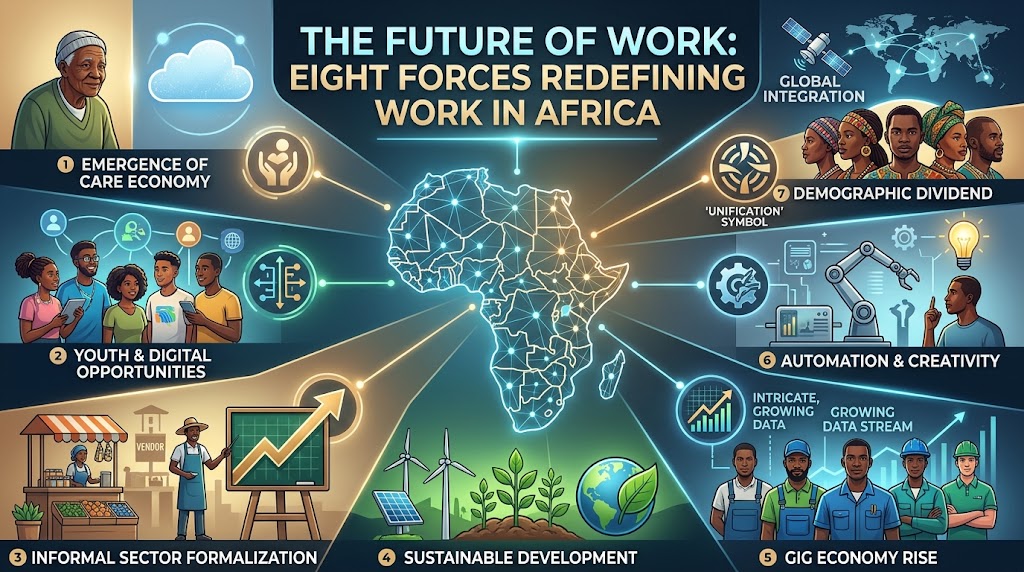
The workplace of the future will not emerge because of a single technological breakthrough.
It is being reshaped by multiple forces acting simultaneously.
Artificial intelligence.
Automation.
Digital platforms.
Changing employee expectations.
Demographic shifts.
Global competition.
Remote collaboration.
Continuous learning.
Together, these forces are redefining not only how work is performed but also what organisations value most in their people.
Leaders who understand these changes today will build organisations capable of thriving tomorrow.
Those who fail to adapt risk leading workforces designed for an economy that no longer exists.
Eight strategic forces are already reshaping the future of work across Africa.
1. Human–AI Collaboration Will Replace Human–Machine Competition
The public conversation often portrays artificial intelligence as a competitor to human workers.
The reality is far more encouraging.
The organisations achieving the greatest success are not replacing people with AI.
They are combining human capability with artificial intelligence.
AI performs repetitive analysis.
Humans interpret results.
AI identifies patterns.
Humans make ethical decisions.
AI automates routine administration.
Humans build relationships.
AI accelerates productivity.
Humans create innovation.
Think of a doctor supported by AI-assisted diagnostics.
A teacher using personalised learning platforms.
A banker relying on predictive credit models.
A lawyer reviewing documents through intelligent search.
A construction manager monitoring projects using predictive analytics.
In each example, technology enhances professional capability rather than replacing professional judgment.
The future belongs to augmented intelligence, not artificial intelligence alone.
2. The Skills Economy Is Replacing the Job Economy
For much of the twentieth century, employment was organised around job titles.
Accountant.
Teacher.
Engineer.
Banker.
Administrator.
Increasingly, organisations are focusing less on job descriptions and more on skills.
Can an individual solve complex problems?
Can they analyse data?
Can they communicate effectively?
Can they lead change?
Can they learn continuously?
Can they collaborate across disciplines?
The workforce is moving from credential-based employment towards capability-based employment.
Qualifications remain important.
However, the ability to develop new competencies quickly is becoming equally valuable.
Employers increasingly recruit for potential as much as experience.
3. Hybrid and Flexible Work Is Becoming Permanent
The global shift towards flexible working demonstrated that many knowledge-based activities can be performed effectively beyond traditional offices.
For African organisations, flexible work presents significant opportunities.
Access to broader talent pools.
Reduced operational costs.
Improved employee wellbeing.
Greater business continuity.
Enhanced productivity.
However, flexibility requires disciplined leadership.
Performance should increasingly be measured by outcomes rather than physical presence.
Trust replaces excessive supervision.
Technology enables collaboration.
Leadership creates accountability.
Successful organisations will build cultures where flexibility strengthens rather than weakens organisational performance.
4. Lifelong Learning Has Become a Business Strategy
Perhaps no capability will become more valuable than continuous learning.
Technology evolves too rapidly for organisations to rely exclusively on existing knowledge.
Employees who stop learning risk becoming professionally obsolete.
Organisations that stop learning risk becoming commercially irrelevant.
Forward-looking companies therefore treat learning as a strategic investment rather than an employee benefit.
Learning ecosystems include:
Executive education.
Professional certifications.
Digital learning platforms.
Mentorship programmes.
Cross-functional projects.
Innovation laboratories.
Industry partnerships.
Knowledge-sharing communities.
Learning should become embedded in everyday work rather than separated from it.
The most valuable employee of the future may not be the person who knows the most today.
It may be the person who learns the fastest tomorrow.
5. Leadership Is Becoming More Human
Ironically, as workplaces become increasingly digital, leadership becomes increasingly human.
Employees continue to seek purpose.
Recognition.
Belonging.
Trust.
Coaching.
Meaningful work.
Artificial intelligence can automate tasks.
It cannot inspire commitment.
Leaders must therefore strengthen capabilities that technology cannot easily replicate.
Empathy.
Communication.
Ethical judgement.
Vision.
Conflict resolution.
Collaboration.
Resilience.
Inclusive leadership.
The future CEO will need technological literacy and emotional intelligence in equal measure.
6. Entrepreneurship and the Gig Economy Will Expand
Technology is lowering barriers to entrepreneurship.
A designer in Nairobi can serve clients globally.
A software developer in Kigali can build applications for international businesses.
An educator in Accra can teach learners worldwide through digital platforms.
A consultant in Lusaka can advise organisations across Africa using virtual collaboration tools.
Digital platforms are creating flexible employment opportunities beyond traditional organisational structures.
Some professionals will choose permanent employment.
Others will combine employment with consulting.
Many will build portfolio careers consisting of multiple income streams.
The future workforce will become increasingly entrepreneurial.
Organisations should view this shift as an opportunity rather than a threat.
Entrepreneurial employees frequently become more innovative employees.
7. Ethics and Responsible AI Will Shape the Workplace
Technology influences people.
Therefore, organisations must ensure technology reflects human values.
Questions surrounding fairness, transparency, accountability, privacy, algorithmic bias, and employee wellbeing will become increasingly important.
Employees deserve to understand how AI influences recruitment.
Performance management.
Promotion.
Compensation.
Customer interactions.
Decision-making.
Responsible organisations will establish clear governance frameworks ensuring technology enhances fairness rather than reinforcing inequality.
Ethics will become a competitive advantage.
Trust will become an organisational differentiator.
8. Future-Ready Organisations Continuously Adapt
Perhaps the greatest difference between successful organisations and struggling organisations will not be technology.
It will be adaptability.
Future-ready organisations demonstrate several common characteristics.
They encourage experimentation.
Invest in learning.
Promote collaboration.
Use data intelligently.
Adopt technology responsibly.
Empower employees.
Reward innovation.
Respond quickly to change.
Adaptability becomes an organisational capability rather than an occasional initiative.
These organisations do not wait for disruption.
They prepare for it.
Beyond Jobs Towards Human Potential
These eight forces reveal a profound truth.
The future of work is not fundamentally about employment.
It is about human potential.
Technology removes repetitive work.
People create meaningful work.
Artificial intelligence processes information.
Humans create wisdom.
Automation improves efficiency.
People build relationships.
Machines accelerate productivity.
Leaders inspire purpose.
The organisations that recognise this distinction will create workplaces where technology strengthens rather than diminishes humanity.
For Africa, this represents an extraordinary opportunity.
With one of the world's youngest populations, growing digital infrastructure, expanding entrepreneurial ecosystems, and increasing adoption of artificial intelligence, the continent can shape a future of work that is both technologically advanced and deeply human.
The future workplace will not be defined by machines replacing people.
It will be defined by people using intelligent technologies to solve bigger problems, serve customers more effectively, innovate continuously, and build more prosperous societies.
That is the future Africa should pursue.
Have something to say about this?
Thoughts on fintech, education and building ventures in Kenya. Full pieces on the Articles page.
"The future is not something we inherit. It is something we build." As this series comes to a close, one truth stands above every oth..
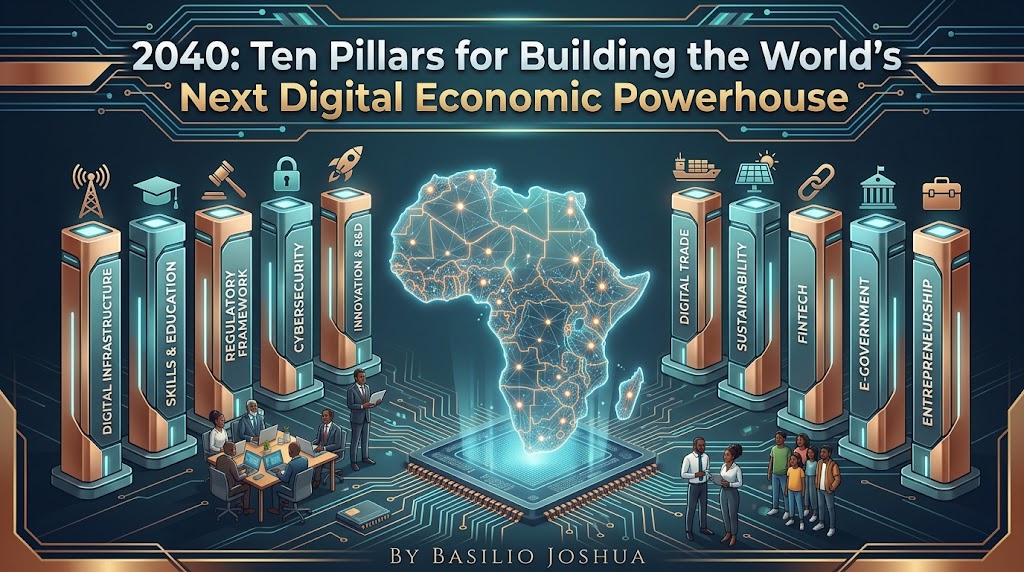
Every successful nation is built upon a clear vision supported by deliberate action. Economic transformation does not occur through isolated pr..
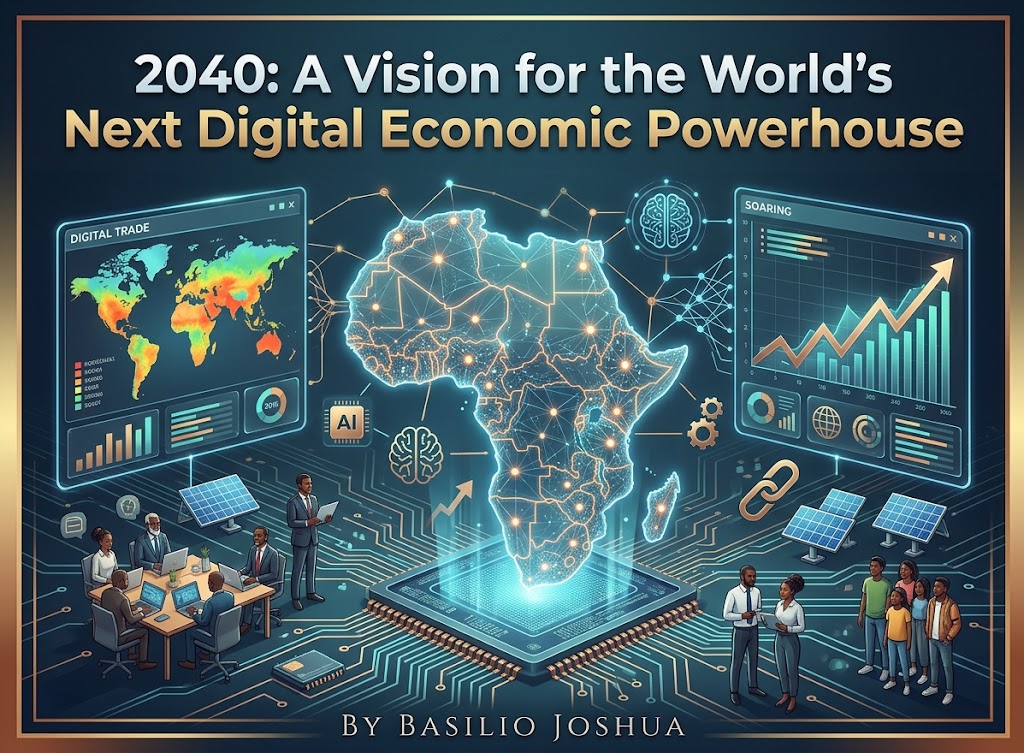
Every generation is presented with a defining opportunity. Some generations inherit stability and are asked to preserve it. Others inher..
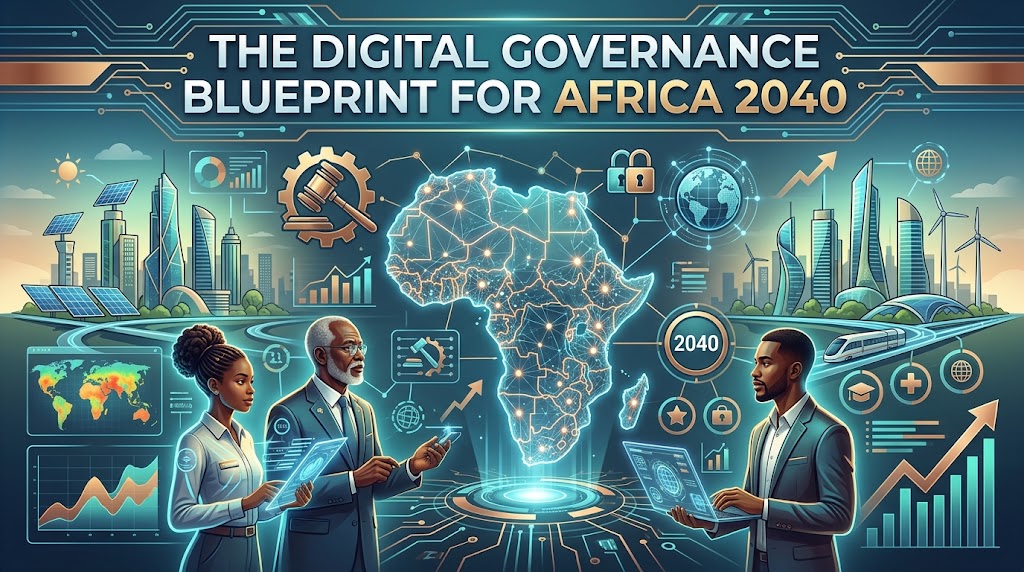
The future of Africa will not be determined solely by the technologies it adopts. It will be determined by the institutions it builds. H..
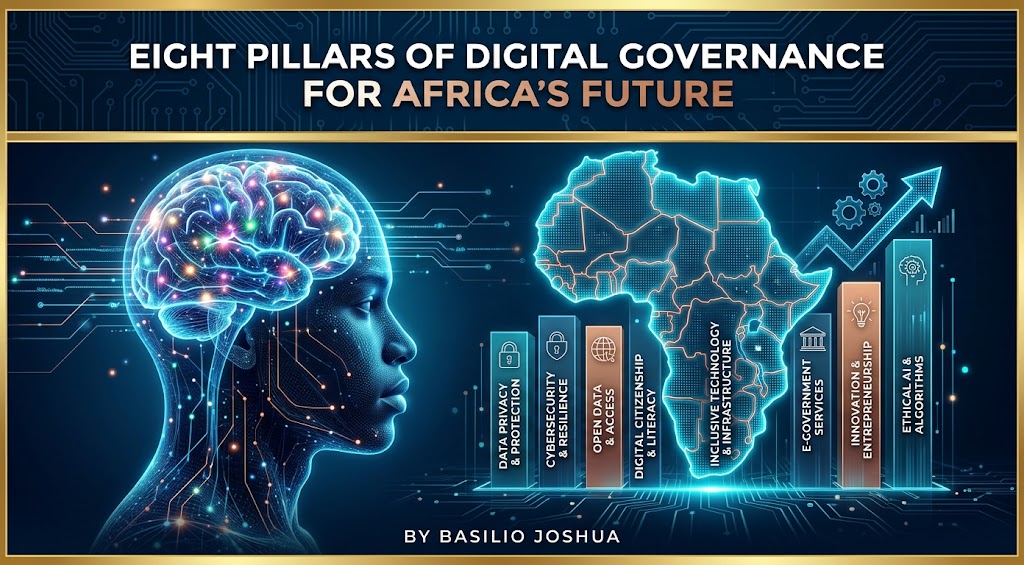
The success of digital governance is not measured by the number of government websites, online portals, or mobile applications. It is measured ..
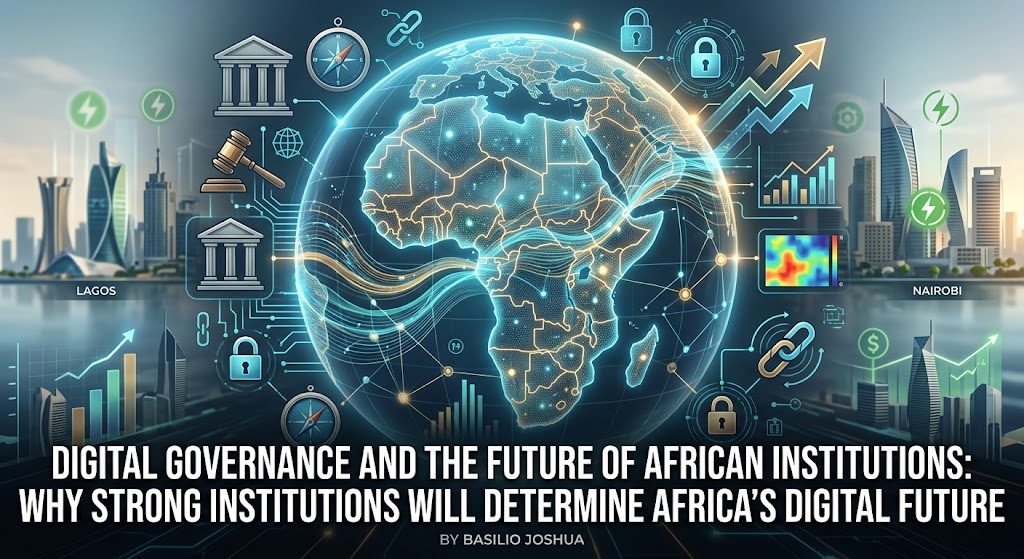
Africa is experiencing one of the most significant periods of transformation in its history. Digital technologies are changing how governments ..
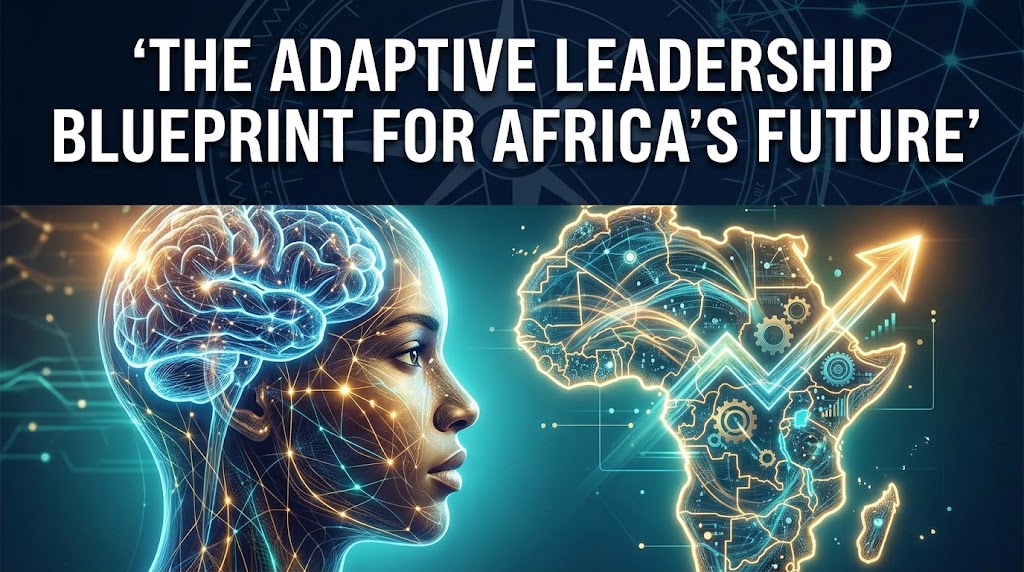
Every period of profound transformation ultimately asks one defining question. Who is prepared to lead? Not who possesses the mo..
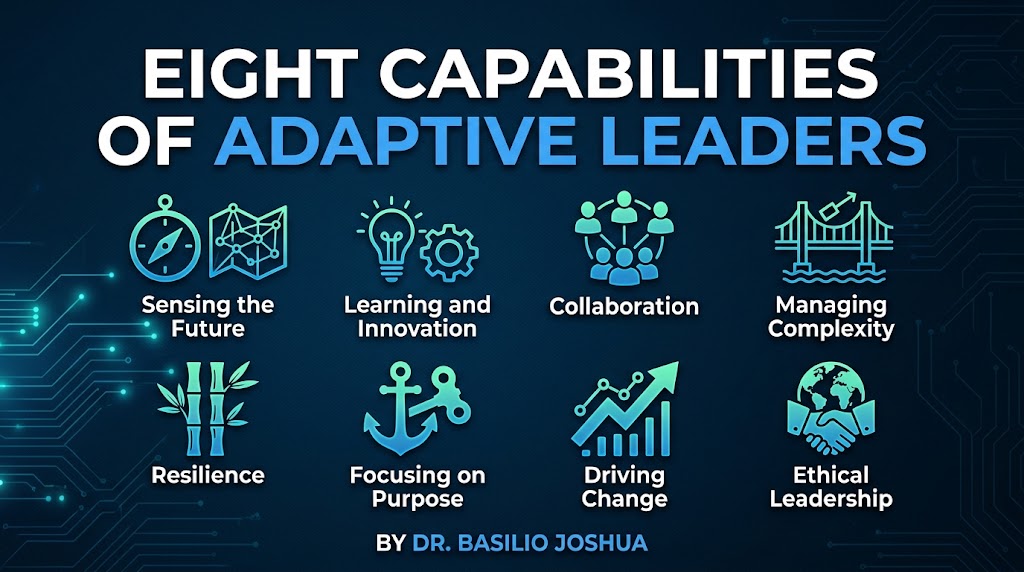
Leadership has never been easy. Today, it has become significantly more complex. Chief executives must navigate technological disruption..
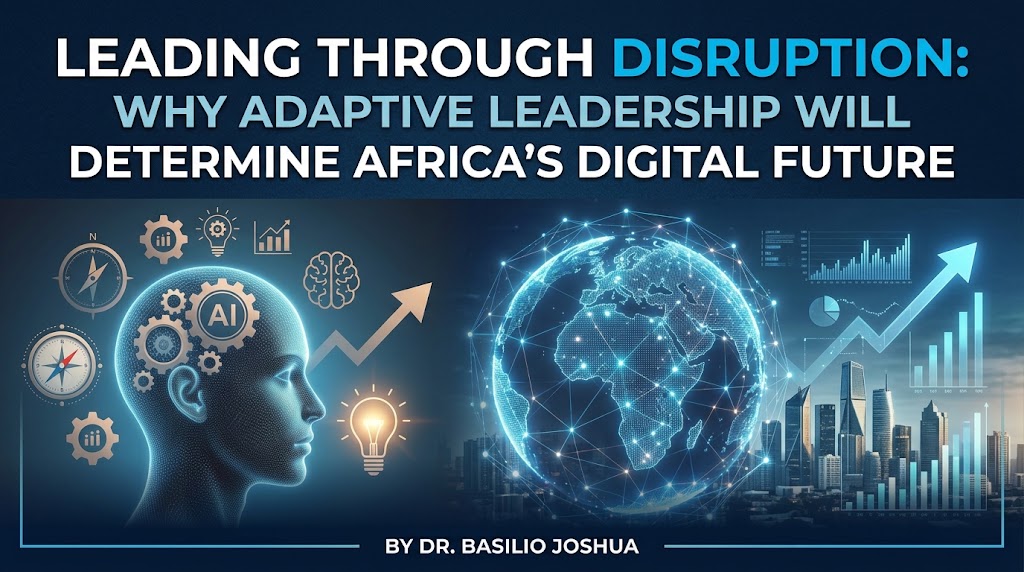
Every generation of leaders faces defining challenges. Previous generations navigated industrialisation, economic liberalisation, political tra..
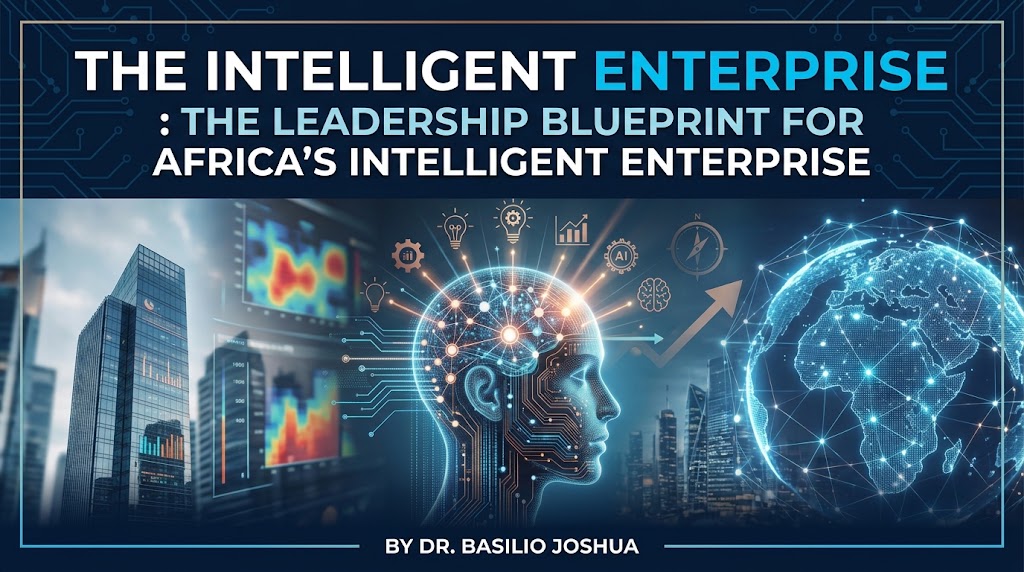
Every era produces an organisational model that defines competitive advantage. The Industrial Revolution gave rise to the manufacturing enterpr..
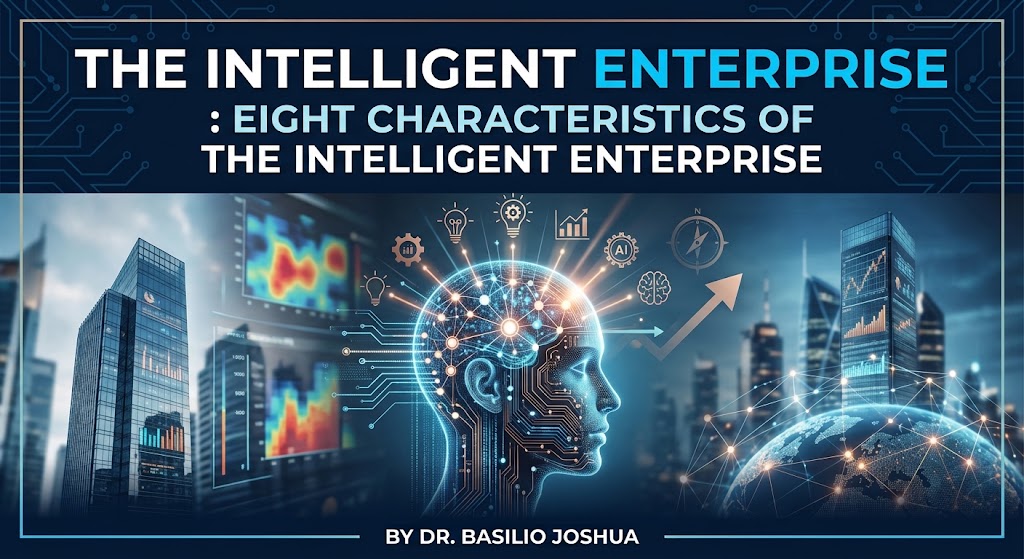
Becoming an intelligent enterprise is not about purchasing the latest technology. Nor is it about implementing artificial intelligence simply b..
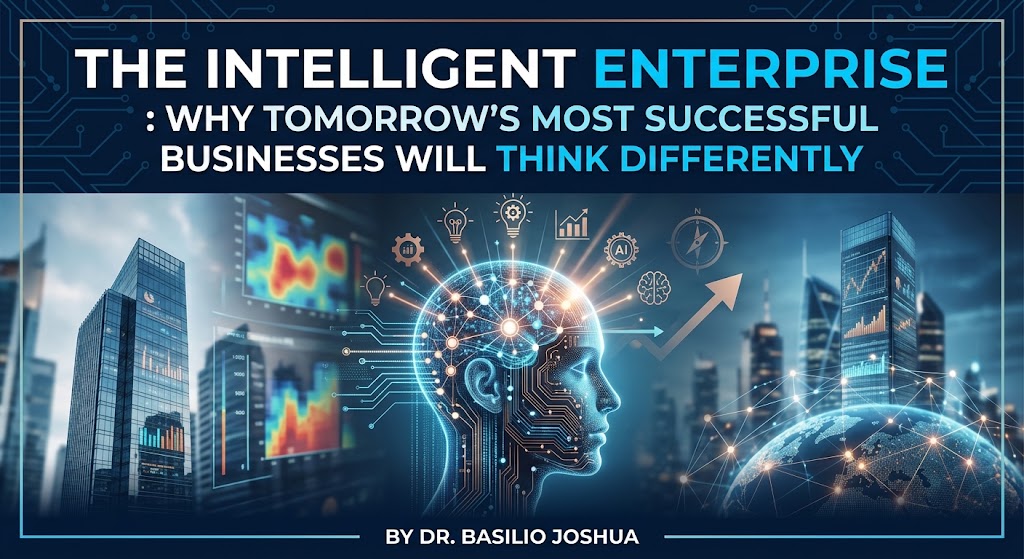
Throughout business history, organizations have continuously reinvented themselves. The Industrial Age rewarded efficiency. The Informat..
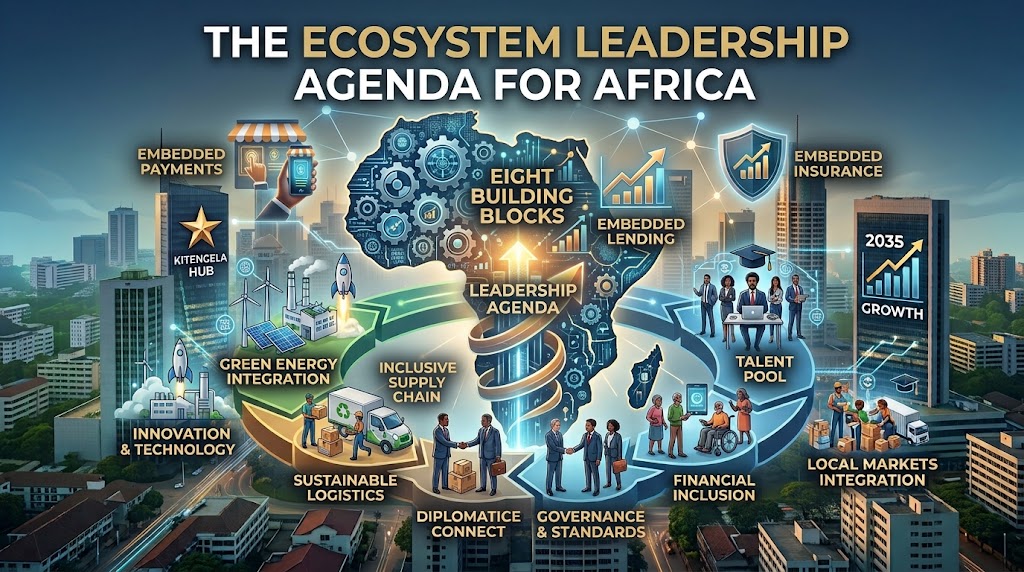
The next generation of global business leaders will not simply manage organisations. They will orchestrate ecosystems. This represents o..
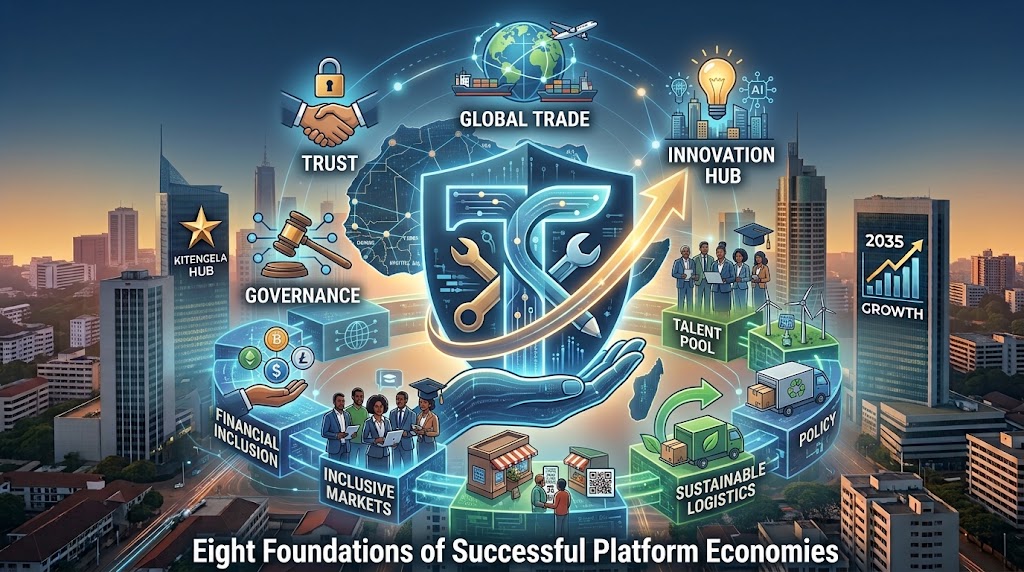
The success of a platform business is rarely determined by technology alone. Many organisations build impressive digital applications that fail..
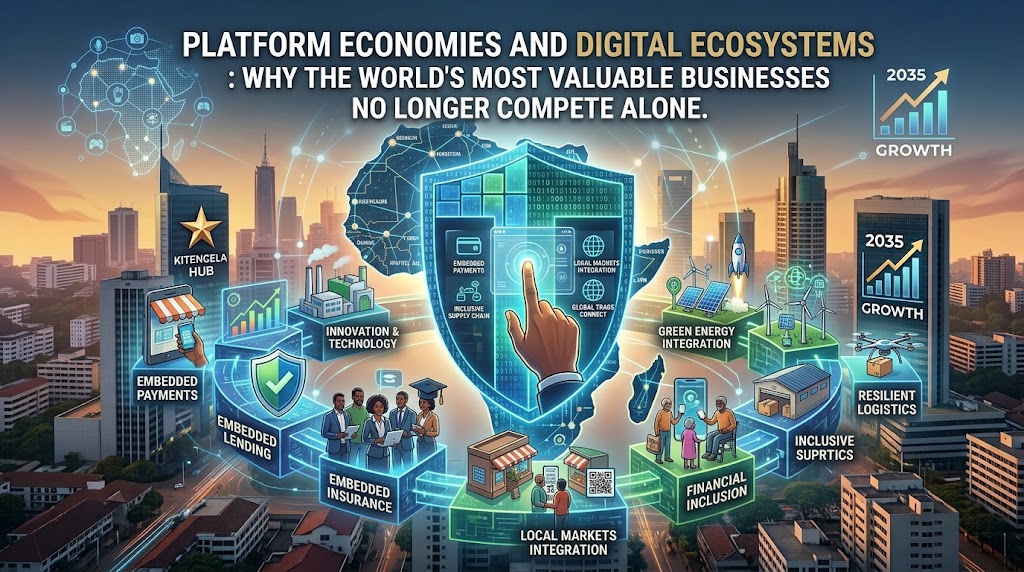
For much of modern business history, competitive advantage depended on ownership. The organisation that owned the largest factory often produce..
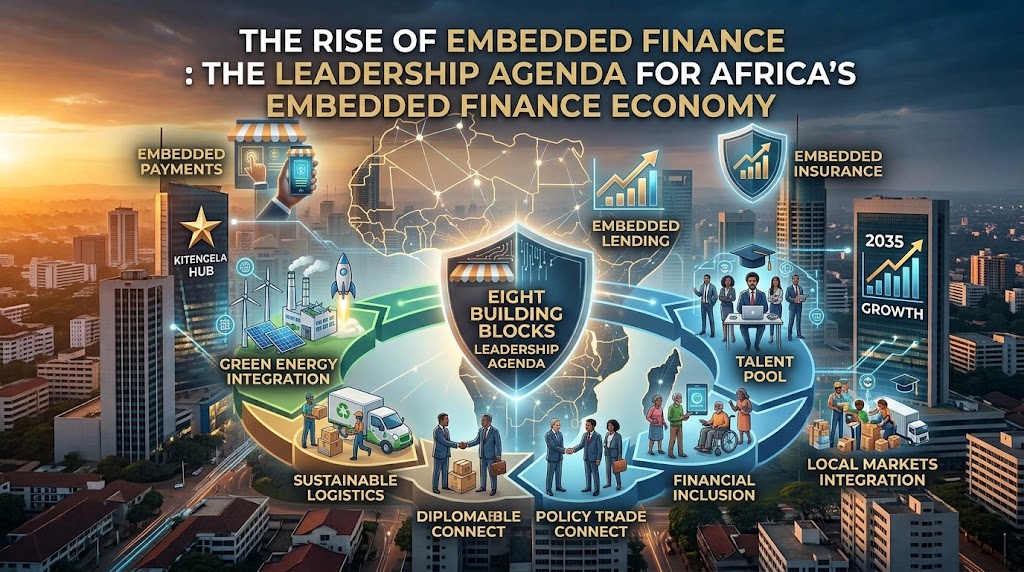
Every major technological shift eventually changes the structure of entire industries. The internet transformed communication. Cloud com..
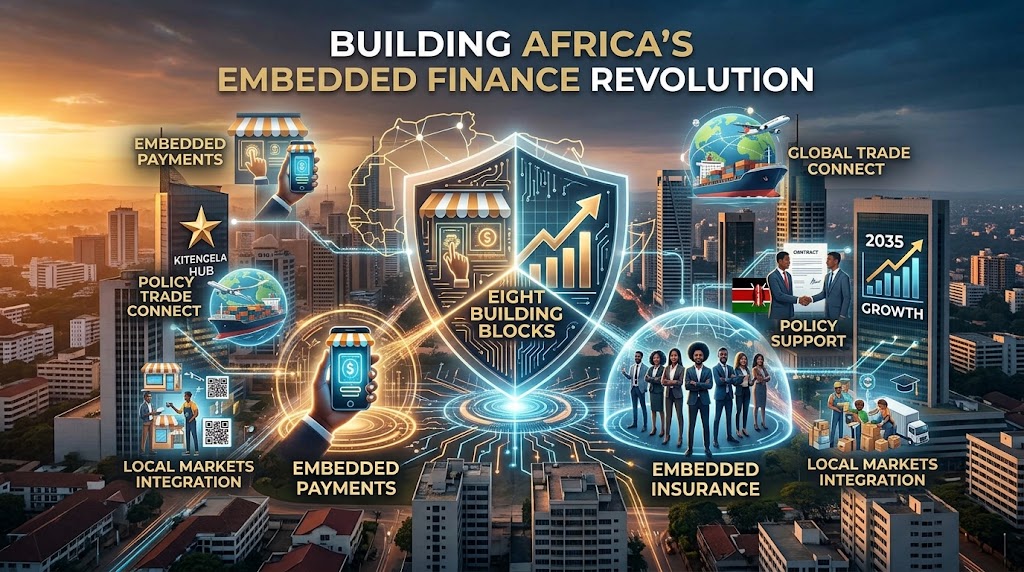
The first generation of digital financial services focused primarily on digitising transactions. Cash became digital. Branches became mo..
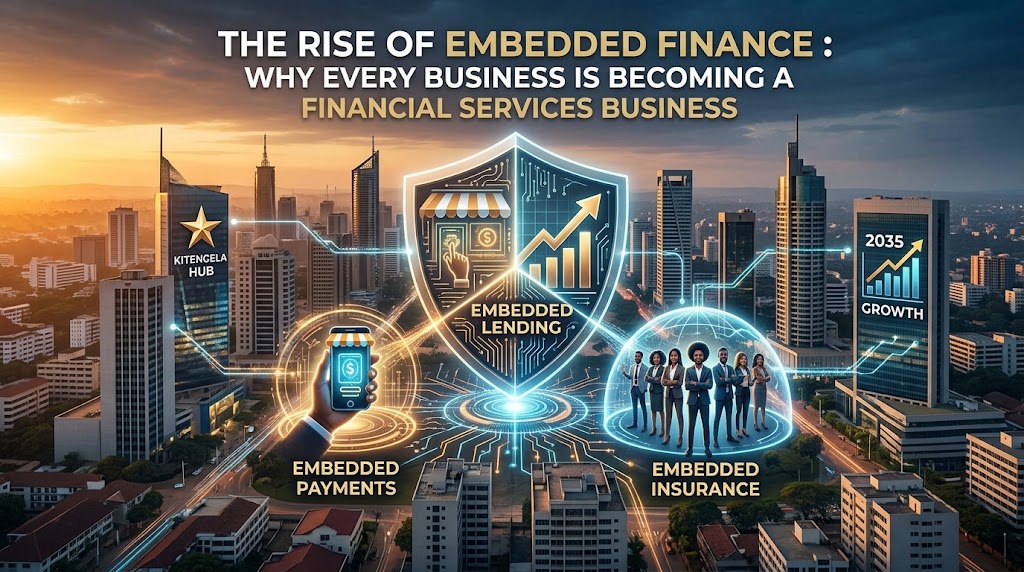
For decades, financial services belonged almost exclusively to financial institutions. Banks accepted deposits. Insurance companies mana..
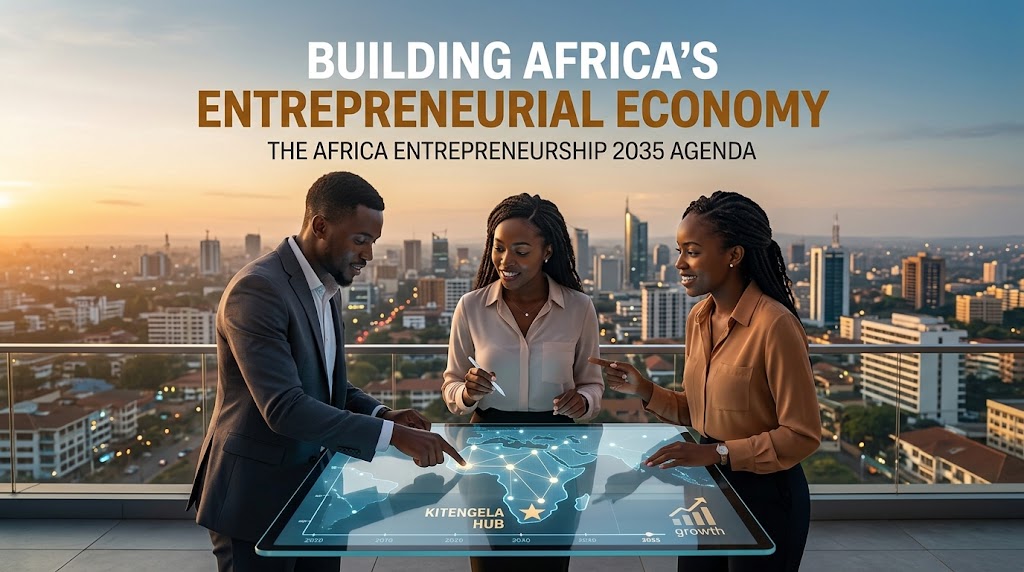
History consistently demonstrates that nations prosper when entrepreneurship becomes embedded in their economic fabric. Silicon Valley transfor..
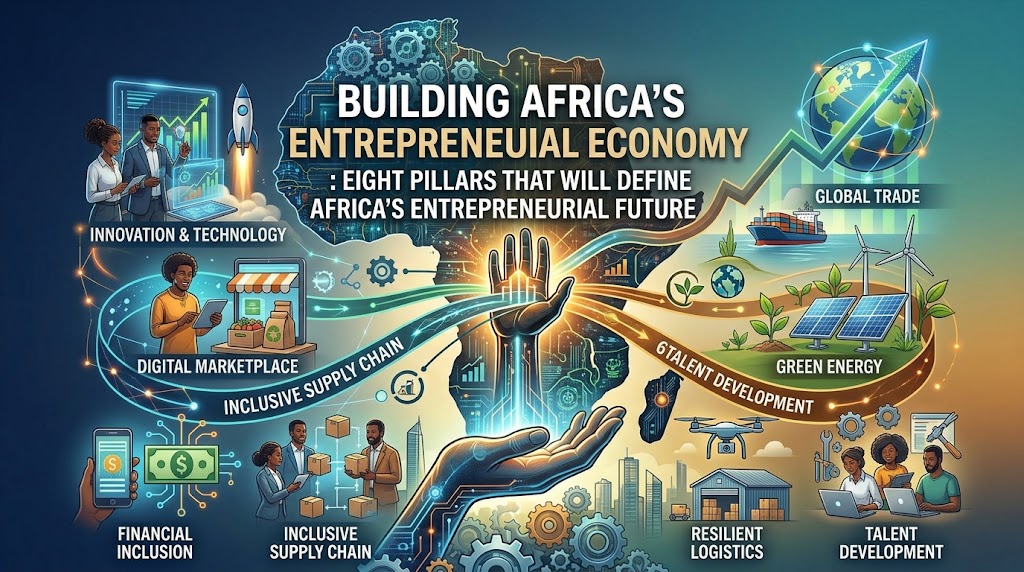
Entrepreneurship has always been a powerful force for economic transformation. What is changing today is the scale of opportunity. Artif..
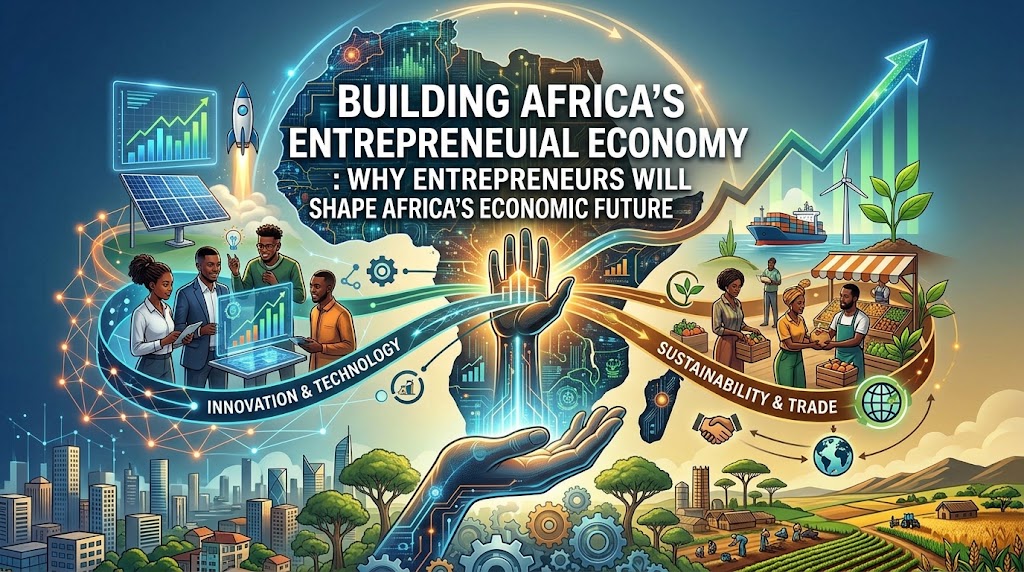
Throughout history, economic transformation has rarely been driven by governments alone. Nor has it been created solely by large corporations...
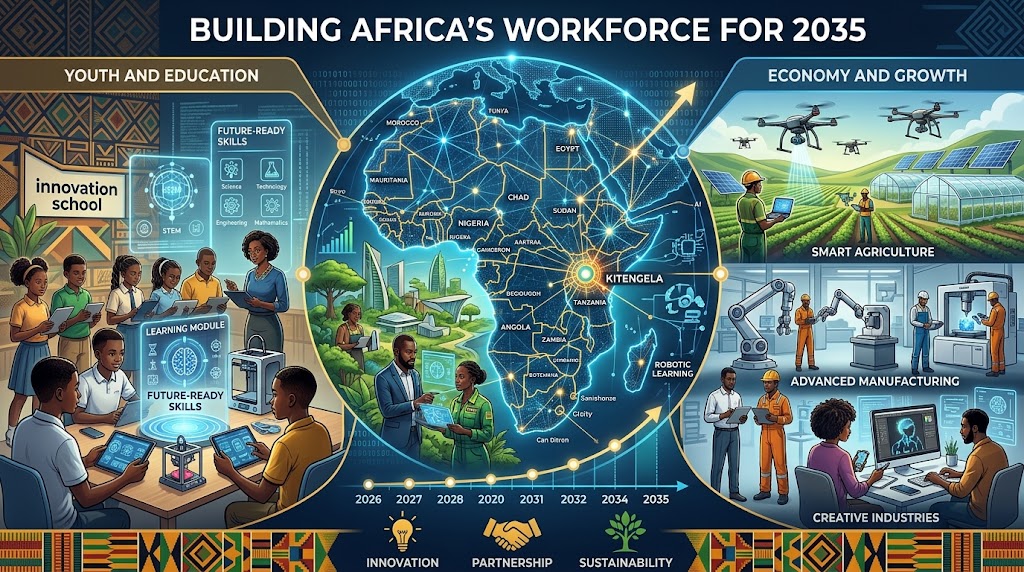
Every generation experiences a defining moment that reshapes the world of work. For our grandparents, it was industrialisation. For our ..
The workplace of the future will not emerge because of a single technological breakthrough. It is being reshaped by multiple forces acting simu..
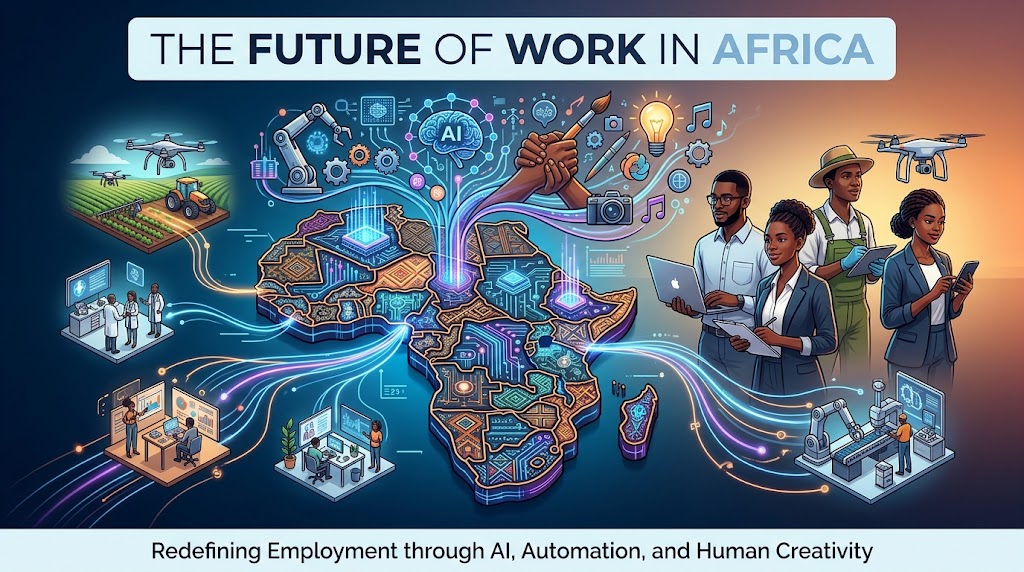
Few subjects generate as much discussion today as the future of work. Across boardrooms, classrooms, government offices, factories, banks, hosp..
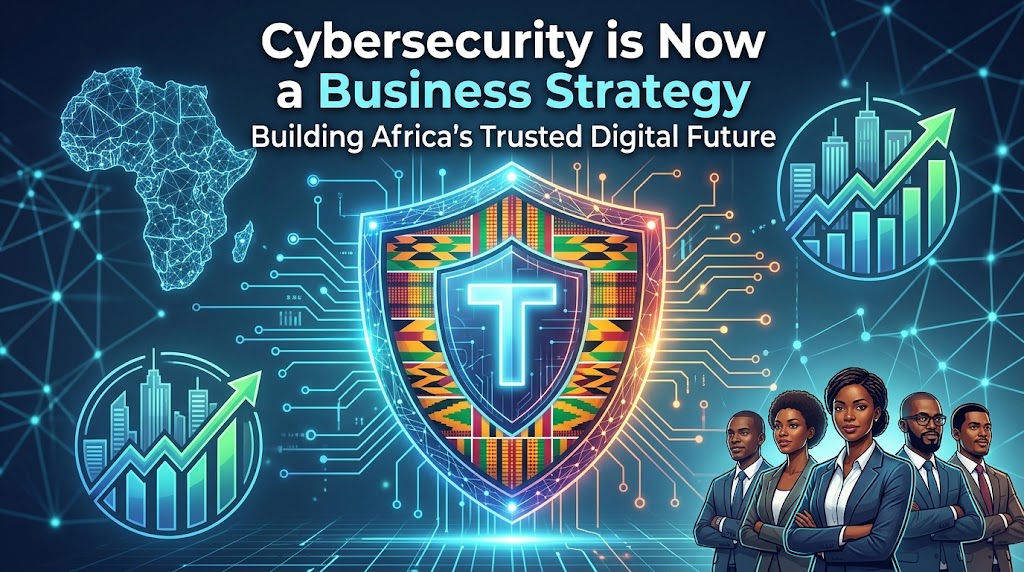
Every technological revolution creates new opportunities. It also creates new responsibilities. The Industrial Revolution required new a..
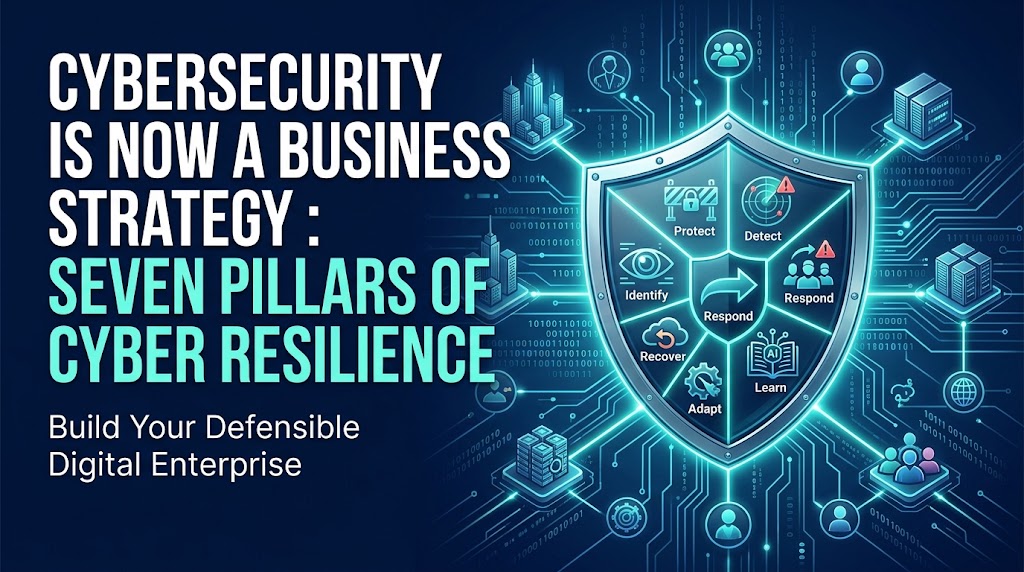
Cybersecurity has traditionally been measured by technical controls. Firewalls. Antivirus software. Encryption. Passwords. Security monitoring. These ..
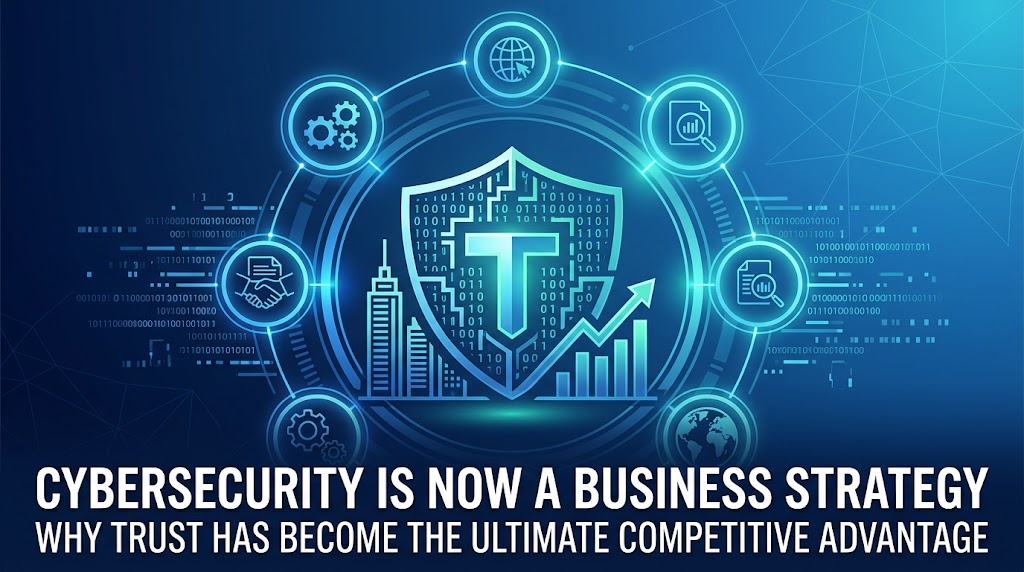
Not long ago, cybersecurity was viewed as a technical issue. It belonged in the server room. It was managed by information technology de..
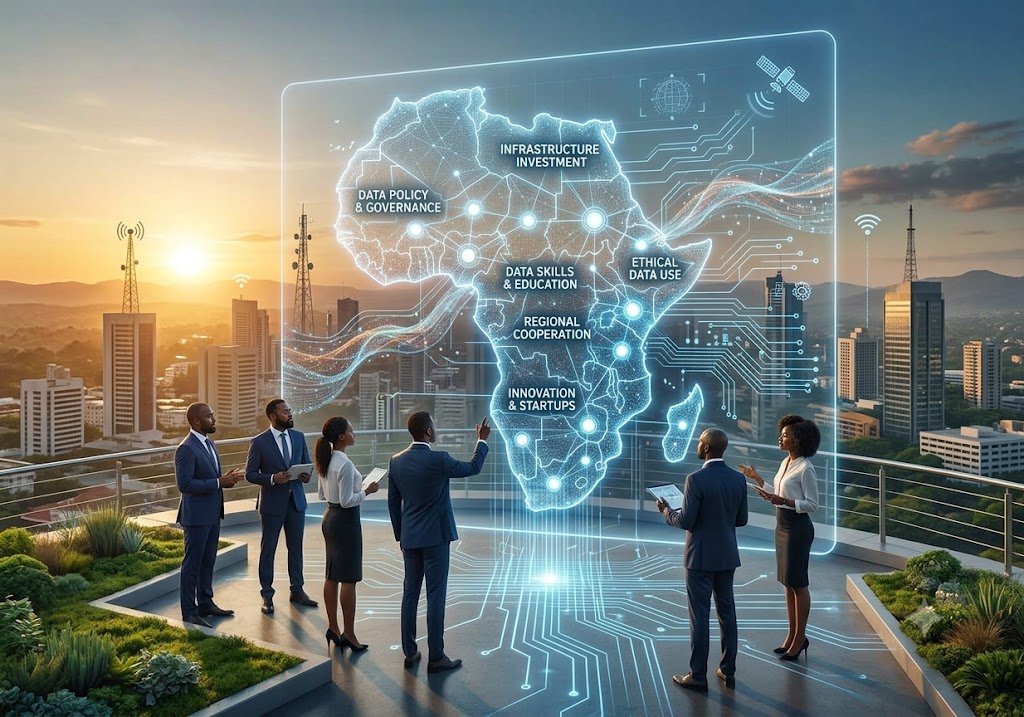
Data has become one of the defining resources of the twenty-first century. Unlike natural resources, however, data does not diminish when it is..

Collecting data has become relatively easy. Creating value from data remains difficult. Across Africa, organisations are investing heavi..
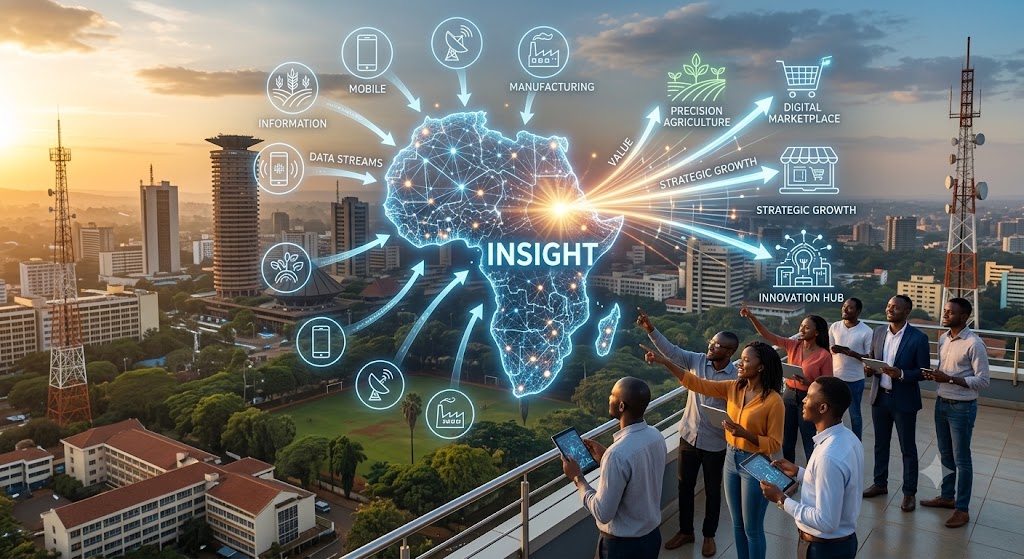
For years, business leaders have heard a familiar phrase: "Data is the new oil." It is an appealing comparison. ..

Financial inclusion is often measured using statistics. The number of bank accounts opened. The volume of digital transactions processed..
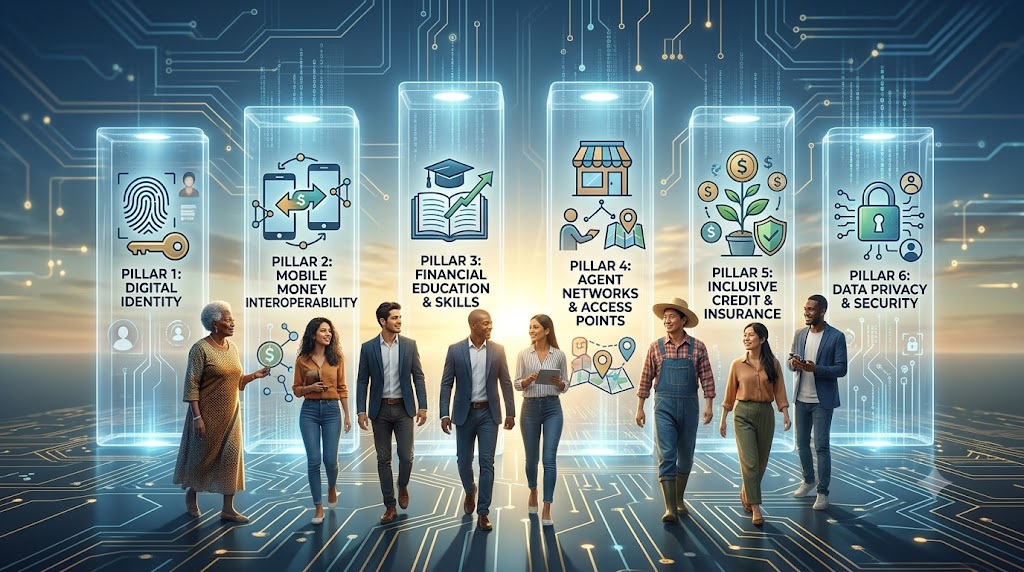
Africa's next chapter of financial inclusion will not be written by one institution or one technology. It will be shaped by an ecosystem o..
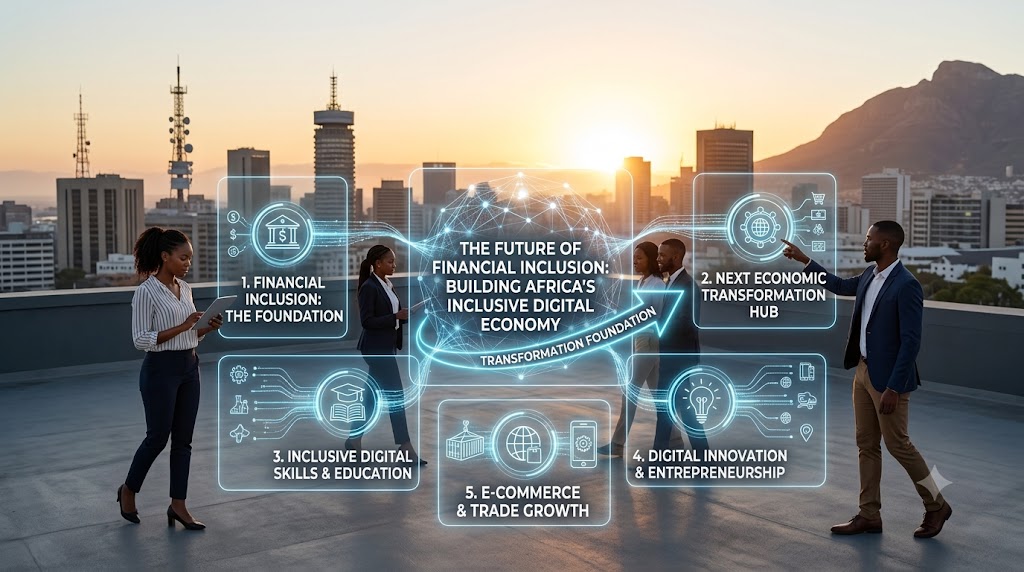
Few ideas have reshaped Africa's economic landscape more profoundly than financial inclusion. Over the past two decades, millions of peopl..
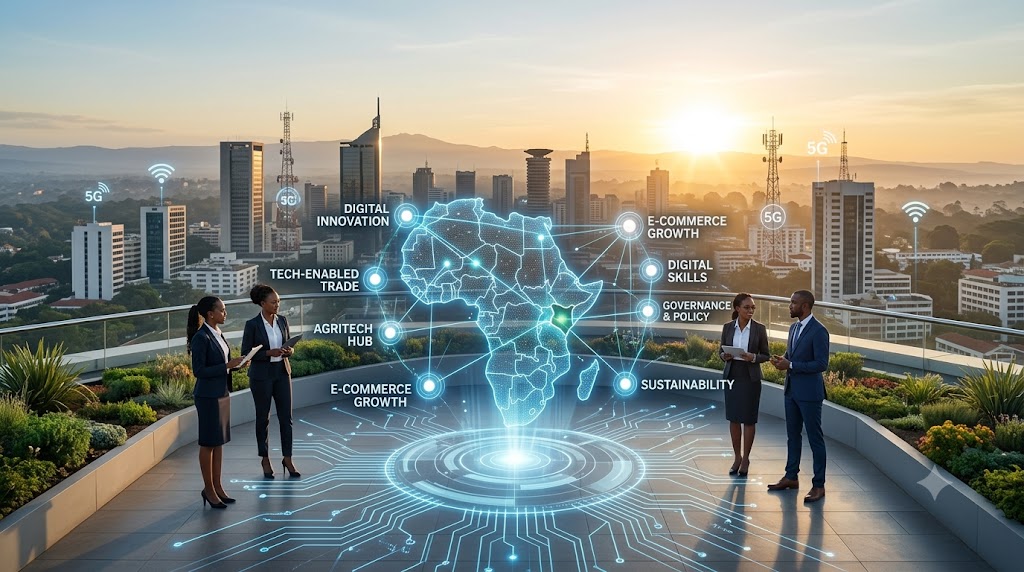
Kenya has already demonstrated that bold innovation can transform a nation's economic trajectory. From pioneering mobile money to becoming..
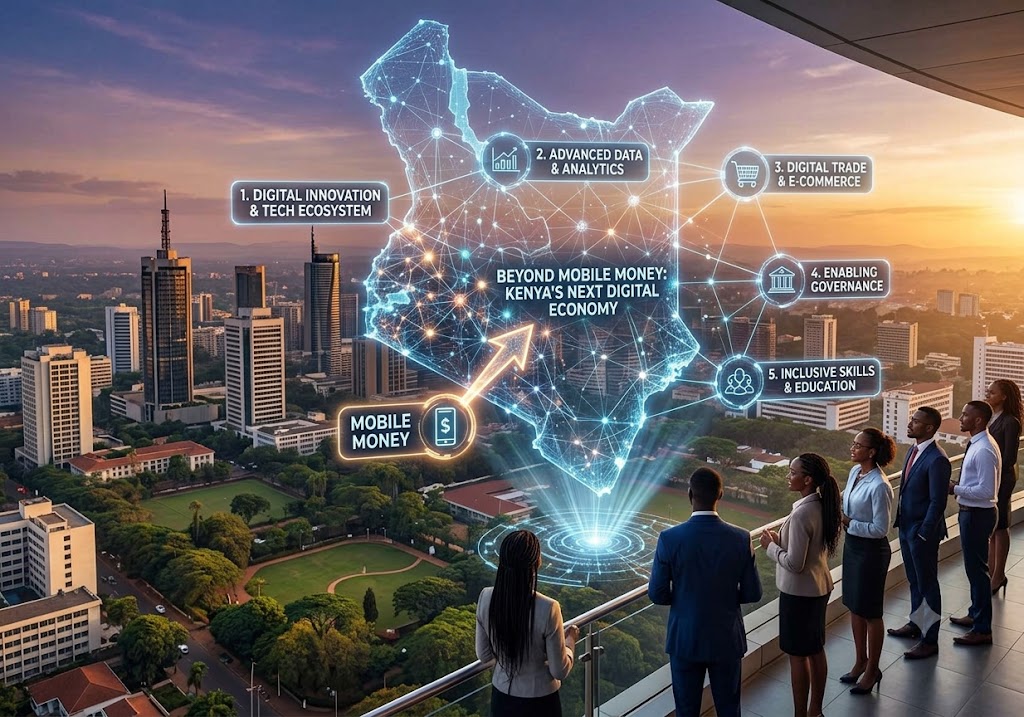
Kenya's reputation as a global leader in mobile money was earned through bold innovation, strong public-private collaboration, and a willingness ..
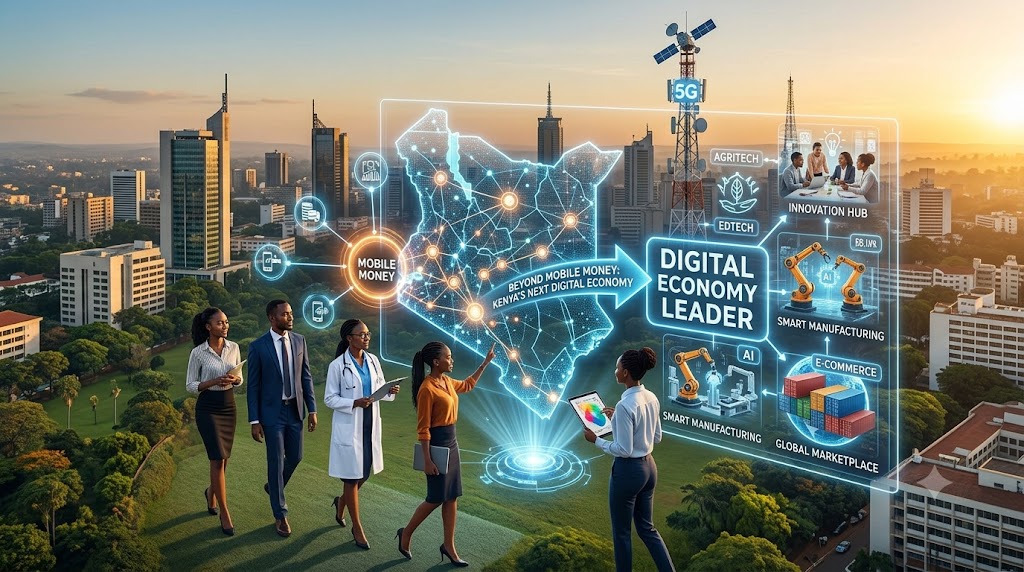
For more than a decade, Kenya has been recognised as one of the world's most influential digital innovation success stories. What began as..

Throughout history, the nations and organisations that have achieved lasting prosperity have not necessarily been those with the greatest natural reso..

If innovation is fundamentally a leadership choice, then an important question naturally follows: What do innovative leaders do differe..
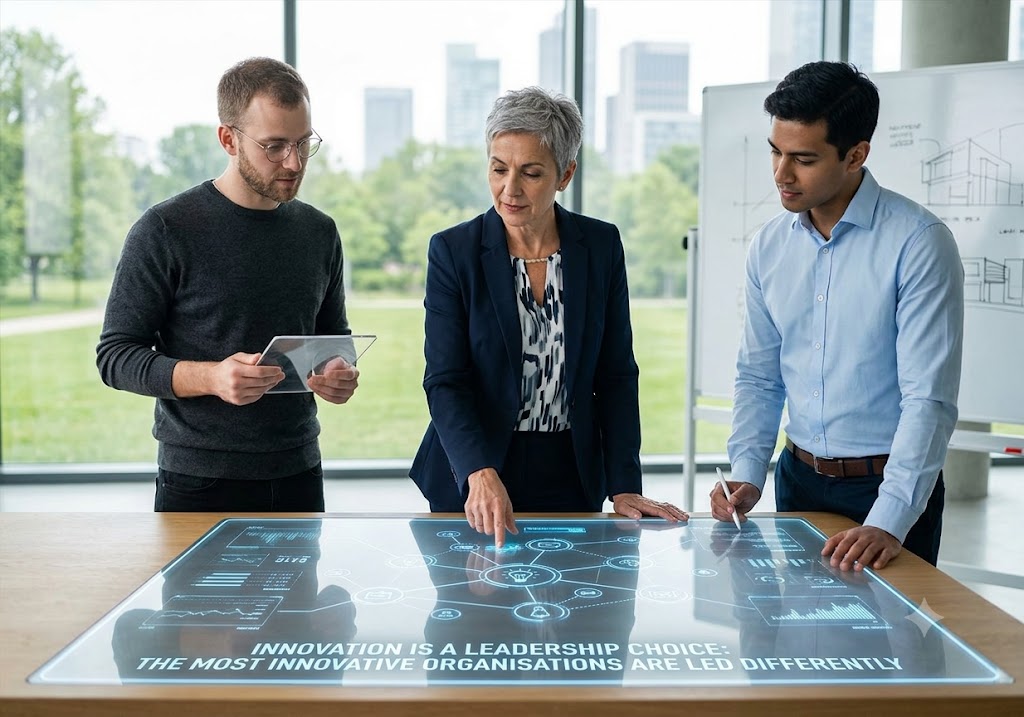
Walk into the headquarters of almost any successful organisation today and one word is almost guaranteed to appear somewhere in its corporate literatu..

Every major technological revolution has produced winners and losers. The difference has rarely been access to technology alone. More often, it has be..
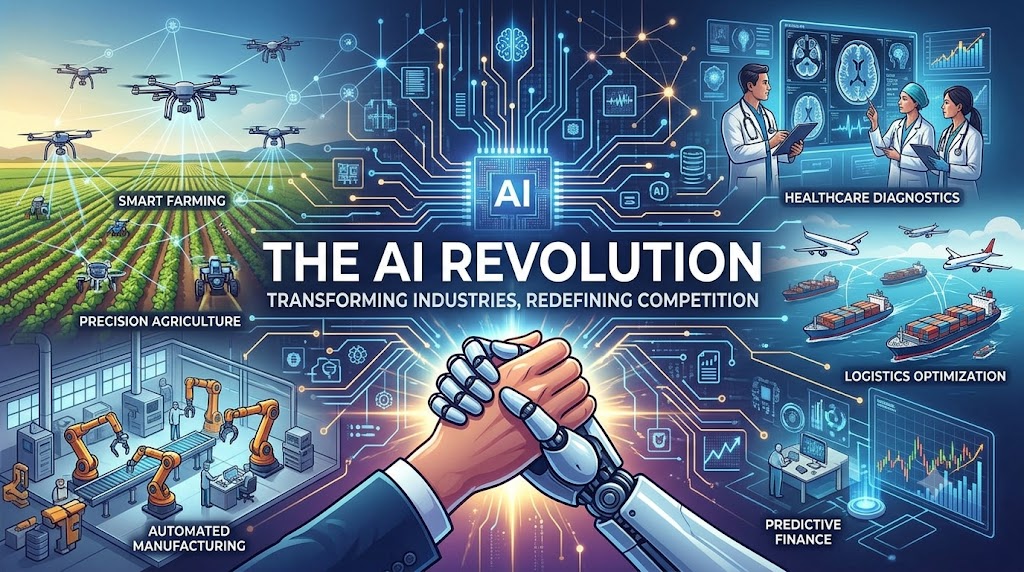
If the first wave of Africa's digital transformation was driven by mobile connectivity and digital payments, the next wave is being shaped by art..
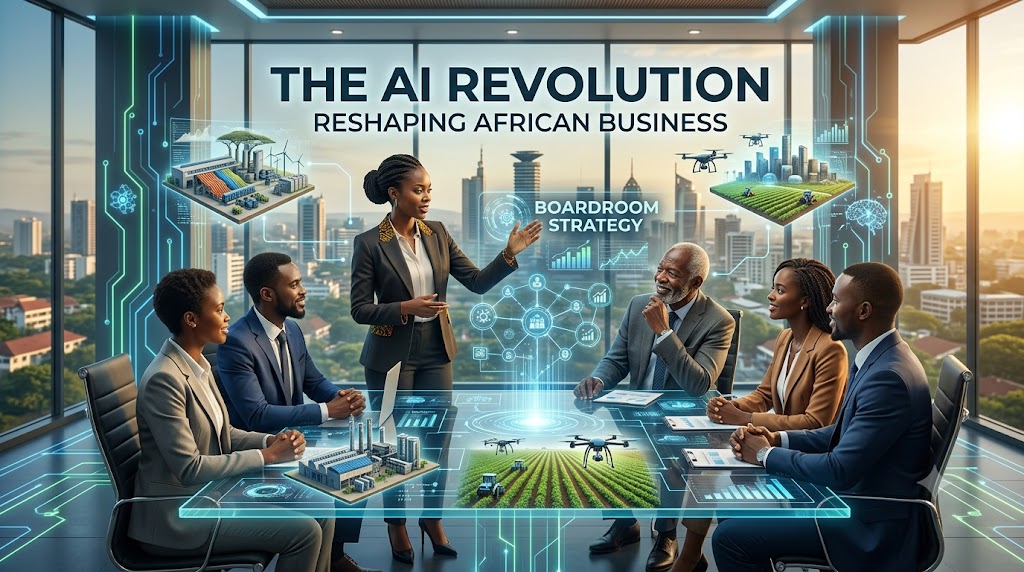
Not long ago, artificial intelligence belonged largely to the world of science fiction. It was imagined as intelligent robots, futuristic cities, and ..
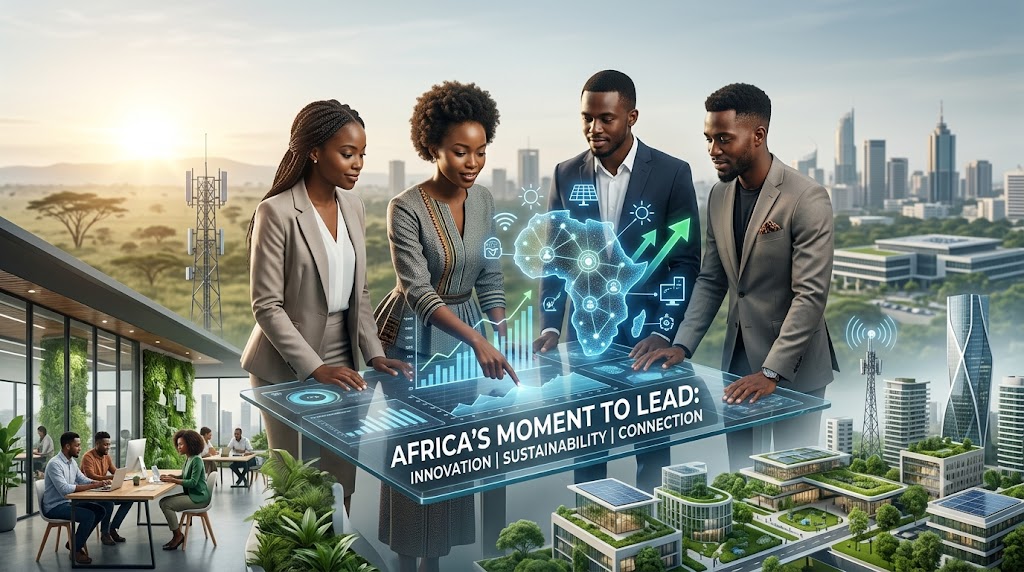
The future has a remarkable way of arriving quietly. It rarely announces itself with a single breakthrough or dramatic event. Instead, ..

In boardrooms across Africa, one conversation is becoming increasingly common. Senior executives are approving investments in enterprise software, clo..
On any given morning in Nairobi, Lagos, Kigali, Johannesburg, or Accra, millions of business transactions take place without a single exchange of cash..
Have a question, partnership idea, or want to get in touch? Send a message below.
+254 721 138 939
Pili Trade Centre, Mombasa Road, Nairobi. 1st Floor, Suite A110
ideashub@basiliojoshua.co.ke
 Lets Connect
Be the first to Comment