
Date: 03 September 2026 |
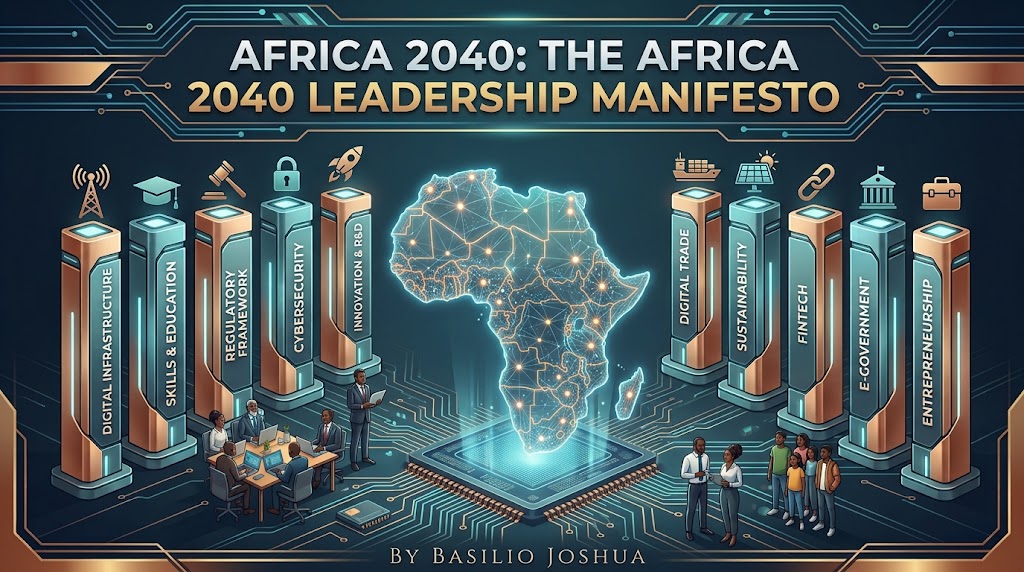
Africa 2040: The Africa 2040 Leadership Manifesto
"The future is not something we inherit. It is something we build." As this series comes to a close, one truth stands above every oth..
Becoming an intelligent enterprise is not about purchasing the latest technology.
Nor is it about implementing artificial intelligence simply because competitors are doing so.
An intelligent enterprise is distinguished by the way it thinks, learns, adapts, and creates value.
Technology enables this transformation.
Leadership directs it.
Culture sustains it.
The organisations that will define Africa's next decade will share eight common characteristics.
1. Intelligent Leadership: Decisions Guided by Insight
Leadership has always involved making decisions under conditions of uncertainty.
The difference today is that leaders have access to more information than ever before.
The challenge is no longer obtaining information.
It is interpreting it wisely.
Intelligent leaders combine:
Data.
Experience.
Strategic judgment.
Ethical reasoning.
Customer understanding.
Long-term thinking.
Artificial intelligence can identify patterns.
Leadership determines which patterns matter.
Technology informs decisions.
People remain accountable for them.
The intelligent enterprise therefore places human wisdom at the centre of technological capability.
2. AI-Augmented Decision-Making
Artificial intelligence is transforming decision-making across every industry.
Executives now receive predictive insights rather than historical reports.
Banks identify emerging credit risks before defaults occur.
Retailers forecast customer demand more accurately.
Healthcare providers optimise clinical resources.
Schools identify learners requiring additional support.
Construction firms anticipate project delays before they affect delivery.
Governments allocate public resources more effectively.
Artificial intelligence does not eliminate uncertainty.
It improves preparedness.
The objective is not replacing executive judgment.
It is strengthening it.
The most successful organisations combine machine intelligence with human insight.
3. A Data-Driven Culture
Data becomes valuable only when it influences everyday behaviour.
Many organisations possess sophisticated dashboards while continuing to make important decisions based primarily on opinion.
The intelligent enterprise creates a different culture.
Employees ask questions.
Test assumptions.
Measure outcomes.
Share knowledge.
Learn from evidence.
Data becomes part of daily conversation rather than occasional reporting.
Every employee understands how information contributes to better customer service, operational performance, innovation, and strategic growth.
Data literacy therefore becomes a core organisational competency.
4. Continuous Innovation
Innovation should never become an annual initiative.
It should become a continuous organisational capability.
Intelligent enterprises encourage experimentation.
Cross-functional collaboration.
Rapid learning.
Customer co-creation.
Pilot programmes.
Digital prototyping.
Failure becomes information rather than embarrassment.
Employees feel confident proposing new ideas because leadership values learning alongside performance.
Innovation therefore evolves from isolated projects into organisational behaviour.
The enterprise continuously improves because curiosity becomes institutionalised.
5. Intelligent Customer Experience
Customers increasingly compare experiences across industries rather than within industries.
A banking customer compares digital convenience with online retail.
A healthcare patient compares appointment booking with travel applications.
A parent compares school communication with social media platforms.
The intelligent enterprise understands customer behaviour holistically.
Artificial intelligence personalises interactions.
Data predicts future needs.
Digital platforms simplify engagement.
Employees provide empathy where technology cannot.
The objective extends beyond customer satisfaction.
It becomes customer partnership.
Every interaction strengthens trust.
Every service creates additional value.
6. Digital Trust and Cyber Resilience
Intelligence without trust creates vulnerability.
Customers willingly share information only when organisations demonstrate integrity.
The intelligent enterprise therefore integrates:
Cybersecurity.
Privacy.
Ethical artificial intelligence.
Responsible data governance.
Regulatory compliance.
Transparent communication.
Trust is no longer merely a defensive requirement.
It has become a strategic differentiator.
Organisations that consistently protect customer information, communicate honestly, and respond responsibly during incidents earn long-term confidence.
Confidence encourages participation.
Participation strengthens ecosystems.
7. Agile Operating Models
Markets evolve rapidly.
Customer expectations change quickly.
Technology develops continuously.
Traditional hierarchical decision-making often struggles to keep pace.
Intelligent enterprises therefore operate with greater agility.
Teams collaborate across departments.
Decision-making becomes faster.
Technology supports rapid adaptation.
Processes evolve continuously.
Leaders empower employees closest to customers to solve problems effectively.
Agility does not eliminate governance.
It combines disciplined governance with organisational flexibility.
The result is resilience.
The organisation adapts before disruption becomes crisis.
8. Purpose-Driven Growth
Perhaps the defining characteristic of the intelligent enterprise is purpose.
Technology creates capability.
Purpose determines direction.
Modern organisations increasingly recognise that long-term commercial success depends upon creating broader value.
Customers seek responsible organisations.
Employees seek meaningful work.
Investors evaluate environmental, social, and governance performance.
Communities expect positive contribution.
Purpose therefore strengthens strategy.
The intelligent enterprise measures success through financial performance while also considering customer outcomes, employee development, innovation, environmental stewardship, and societal impact.
Purpose and profitability increasingly reinforce one another.
Intelligence Is a System, Not a Project
These eight characteristics reveal an essential truth.
Organisational intelligence cannot be implemented through a single software platform.
It emerges from the interaction between leadership, people, culture, technology, governance, and continuous learning.
Artificial intelligence strengthens organisational capability.
Data informs strategic decisions.
Cybersecurity protects trust.
Innovation drives growth.
Leadership aligns every element around a common purpose.
The intelligent enterprise therefore functions as an integrated system rather than a collection of independent initiatives.
Africa's Opportunity
Africa is uniquely positioned to build intelligent enterprises.
Many organisations continue modernising their operations.
Digital infrastructure is expanding.
Artificial intelligence is becoming increasingly accessible.
Entrepreneurship is accelerating.
Regional markets continue integrating.
Young professionals demonstrate remarkable adaptability.
Rather than replicating organisational models developed elsewhere, African enterprises can design intelligent organisations suited to local realities.
Businesses that combine technology with inclusive leadership.
Innovation with ethics.
Growth with sustainability.
Digital capability with human potential.
These organisations will become the champions of Africa's next economic transformation.
The future will not belong simply to organisations that adopt intelligent technologies.
It will belong to organisations that become genuinely intelligent in the way they lead, learn, innovate, and serve.
Have something to say about this?
Thoughts on fintech, education and building ventures in Kenya. Full pieces on the Articles page.
"The future is not something we inherit. It is something we build." As this series comes to a close, one truth stands above every oth..
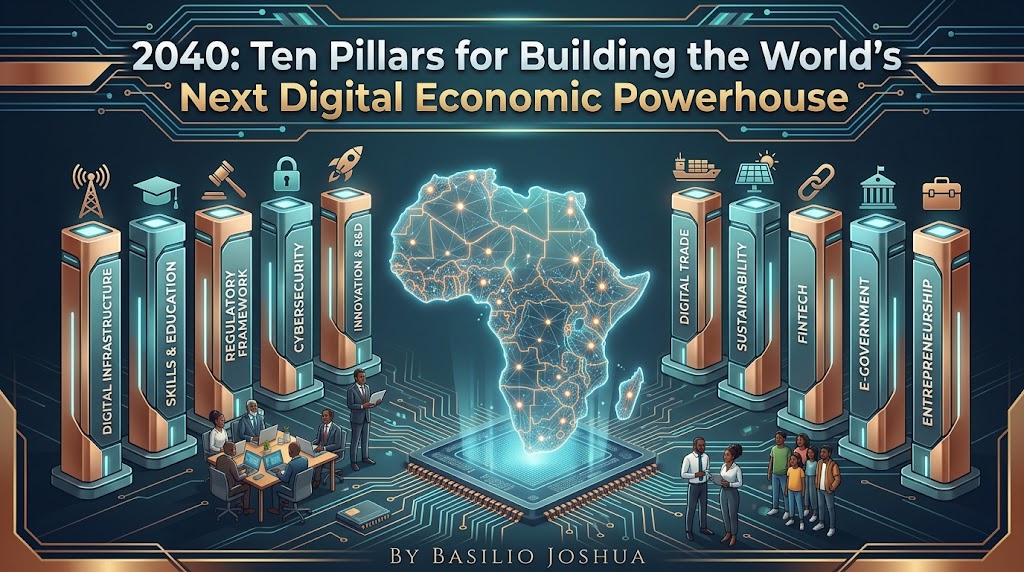
Every successful nation is built upon a clear vision supported by deliberate action. Economic transformation does not occur through isolated pr..
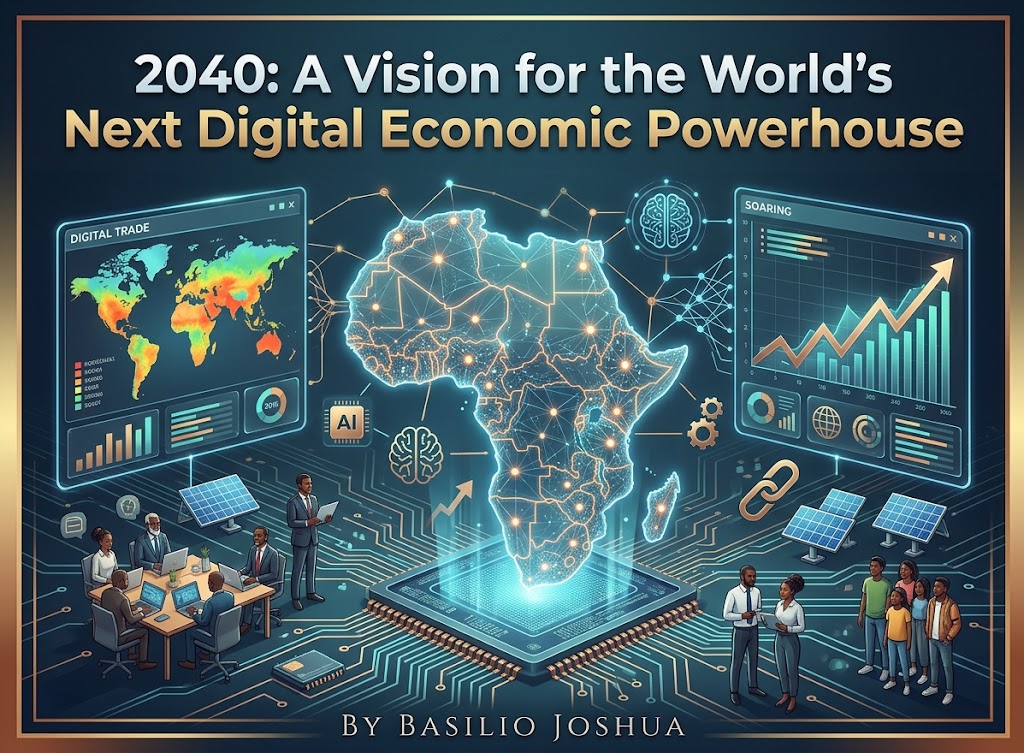
Every generation is presented with a defining opportunity. Some generations inherit stability and are asked to preserve it. Others inher..
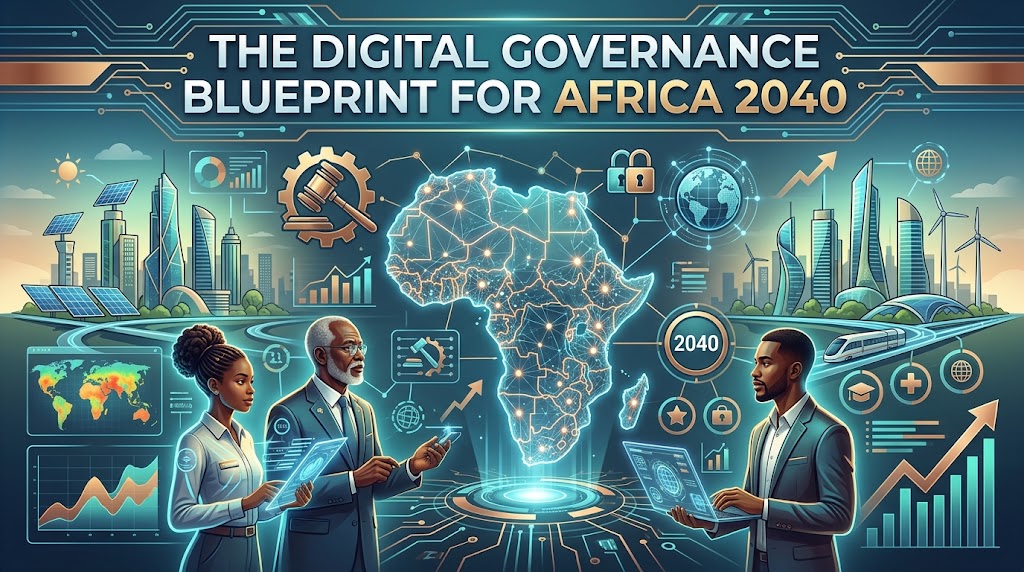
The future of Africa will not be determined solely by the technologies it adopts. It will be determined by the institutions it builds. H..
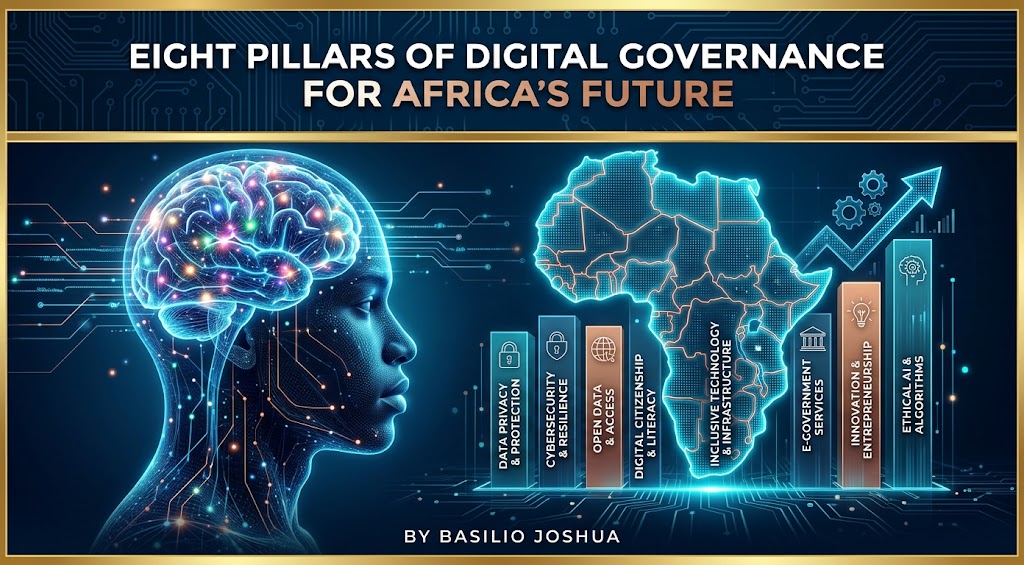
The success of digital governance is not measured by the number of government websites, online portals, or mobile applications. It is measured ..
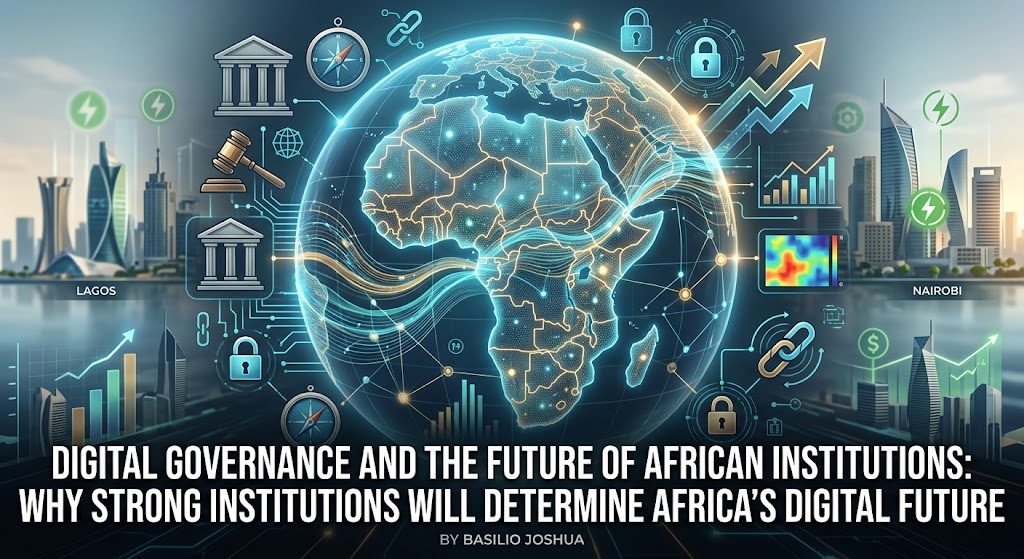
Africa is experiencing one of the most significant periods of transformation in its history. Digital technologies are changing how governments ..
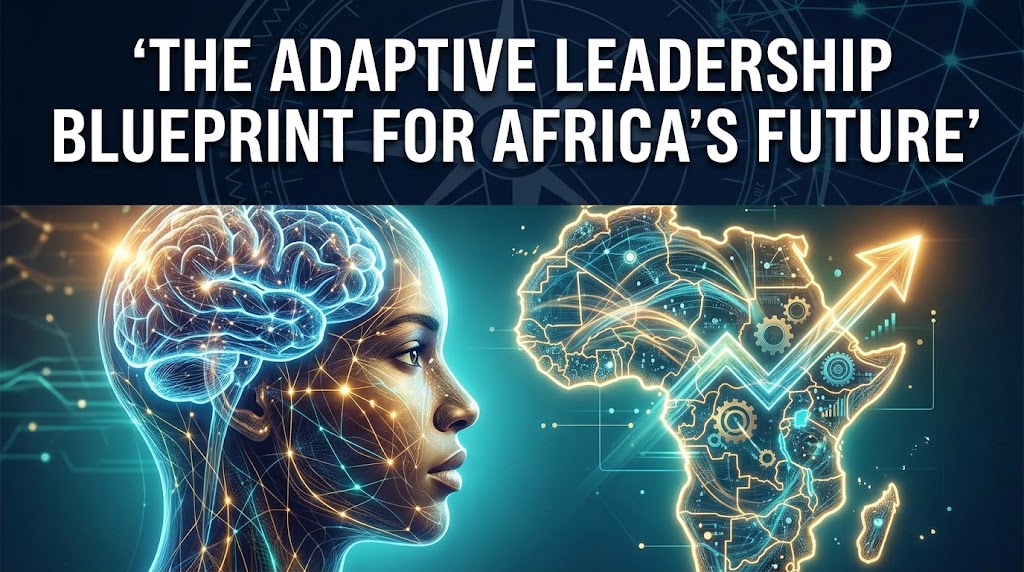
Every period of profound transformation ultimately asks one defining question. Who is prepared to lead? Not who possesses the mo..
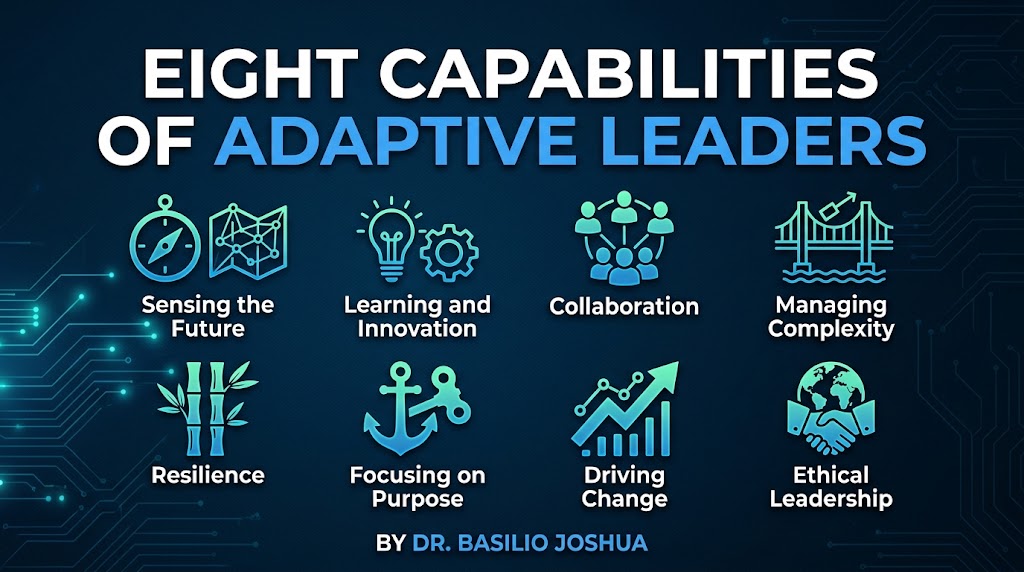
Leadership has never been easy. Today, it has become significantly more complex. Chief executives must navigate technological disruption..
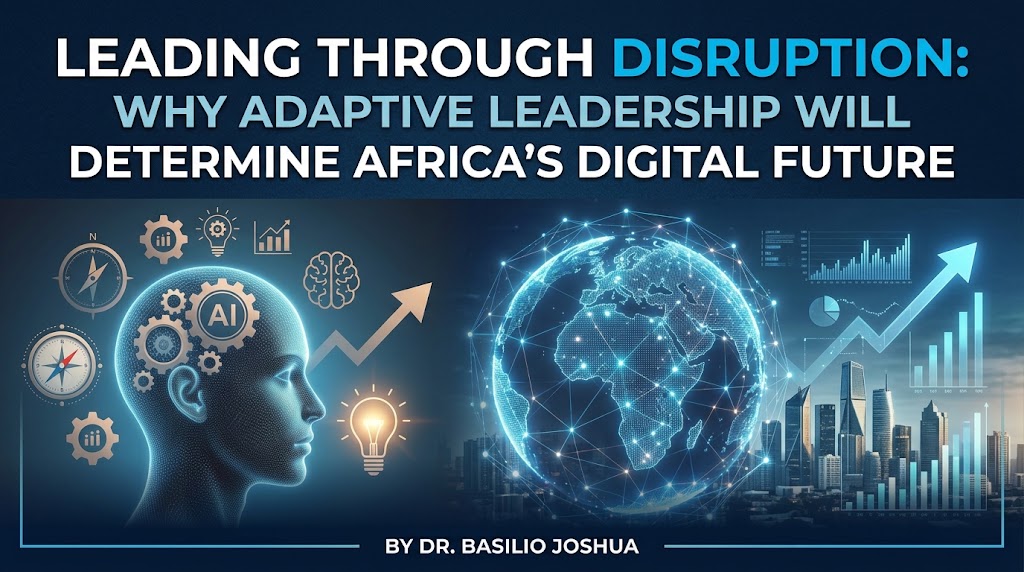
Every generation of leaders faces defining challenges. Previous generations navigated industrialisation, economic liberalisation, political tra..
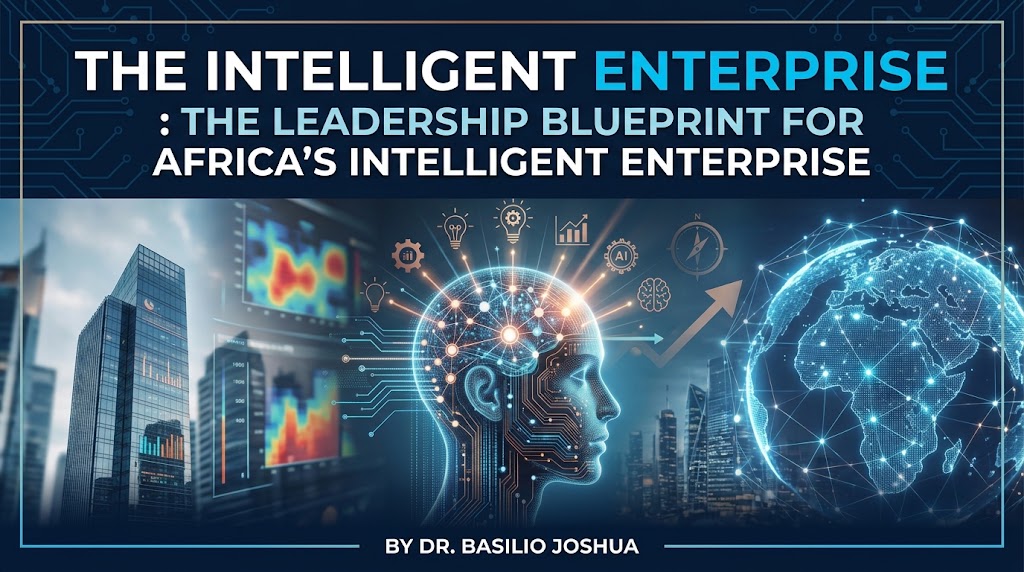
Every era produces an organisational model that defines competitive advantage. The Industrial Revolution gave rise to the manufacturing enterpr..
Becoming an intelligent enterprise is not about purchasing the latest technology. Nor is it about implementing artificial intelligence simply b..
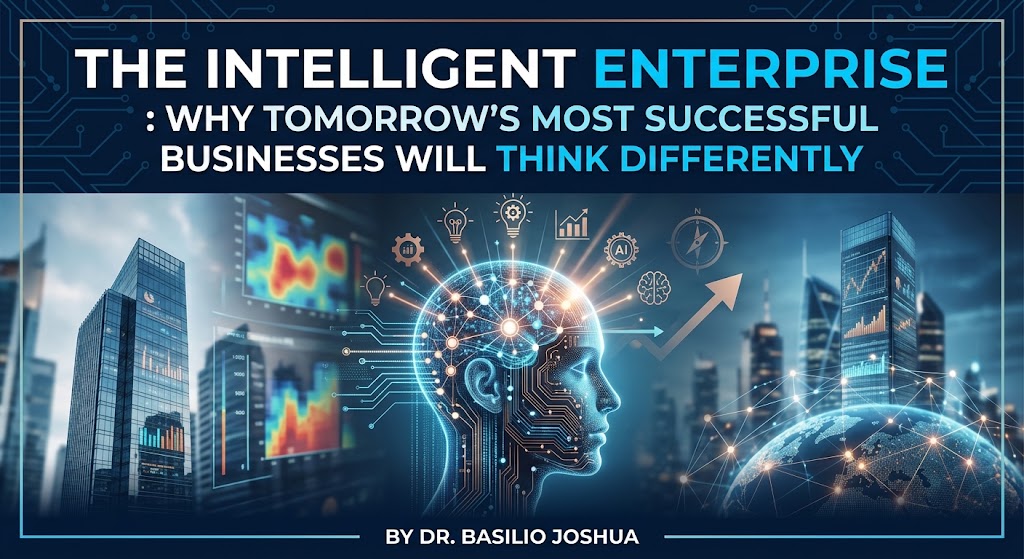
Throughout business history, organizations have continuously reinvented themselves. The Industrial Age rewarded efficiency. The Informat..
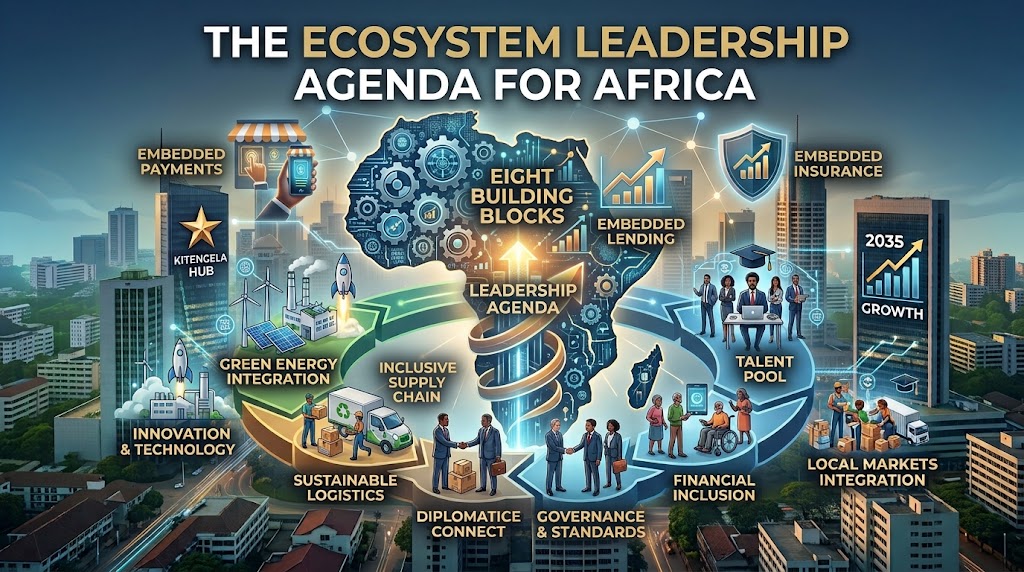
The next generation of global business leaders will not simply manage organisations. They will orchestrate ecosystems. This represents o..
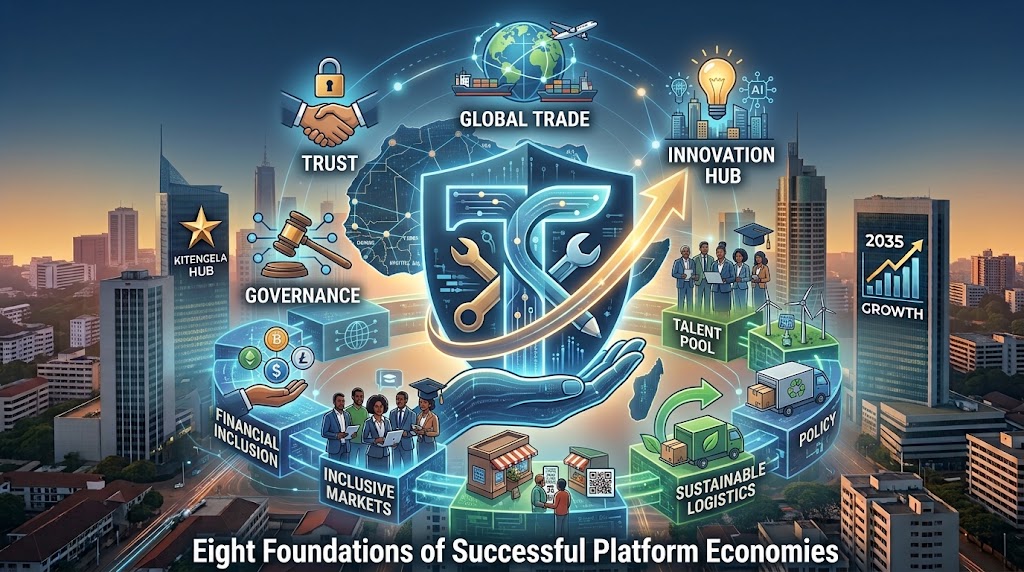
The success of a platform business is rarely determined by technology alone. Many organisations build impressive digital applications that fail..
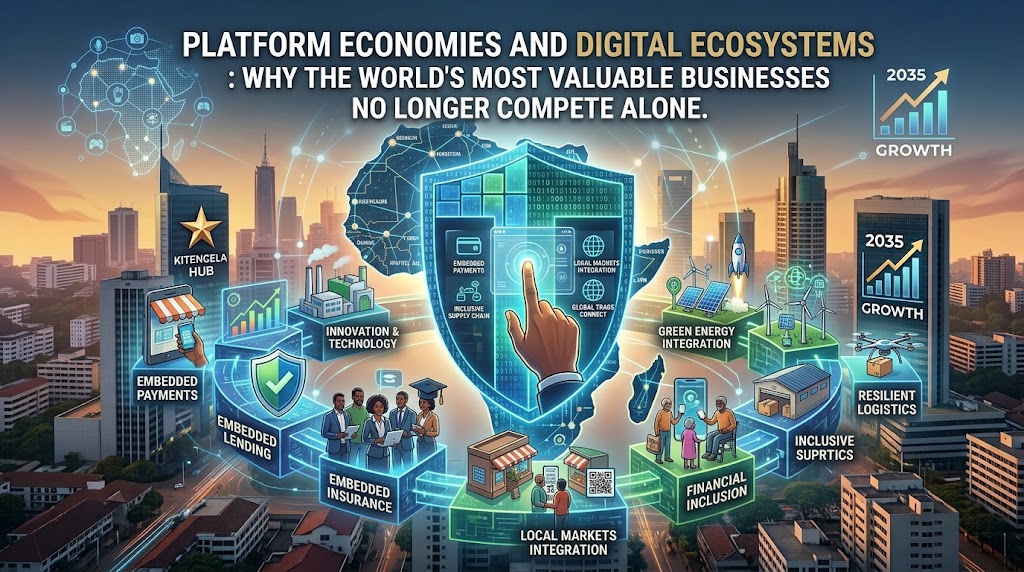
For much of modern business history, competitive advantage depended on ownership. The organisation that owned the largest factory often produce..
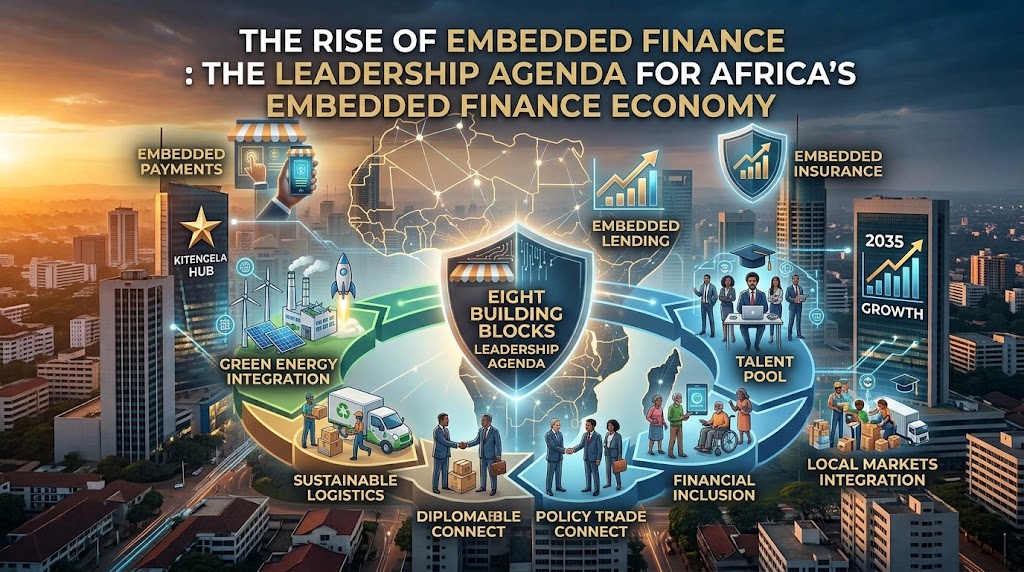
Every major technological shift eventually changes the structure of entire industries. The internet transformed communication. Cloud com..
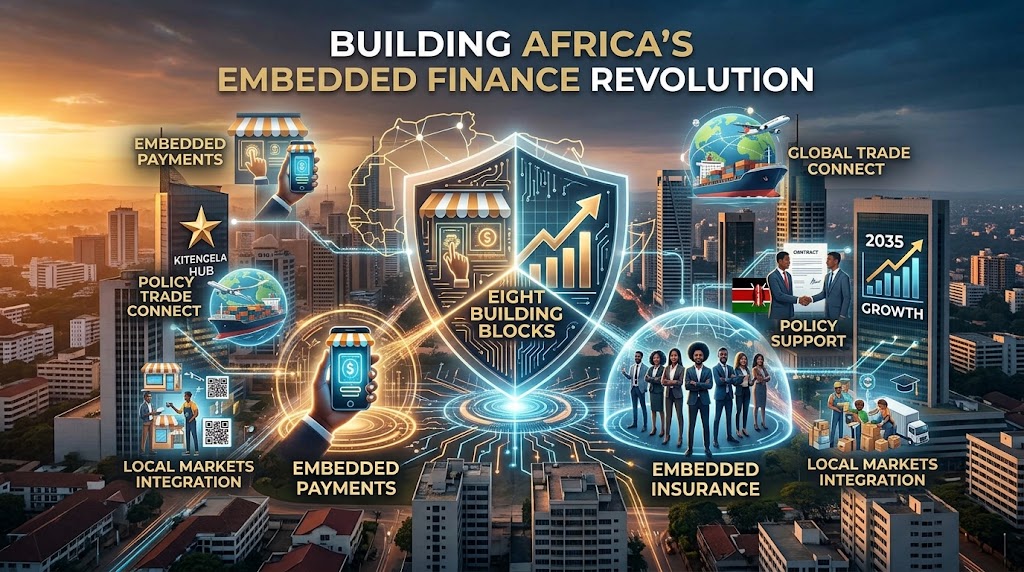
The first generation of digital financial services focused primarily on digitising transactions. Cash became digital. Branches became mo..
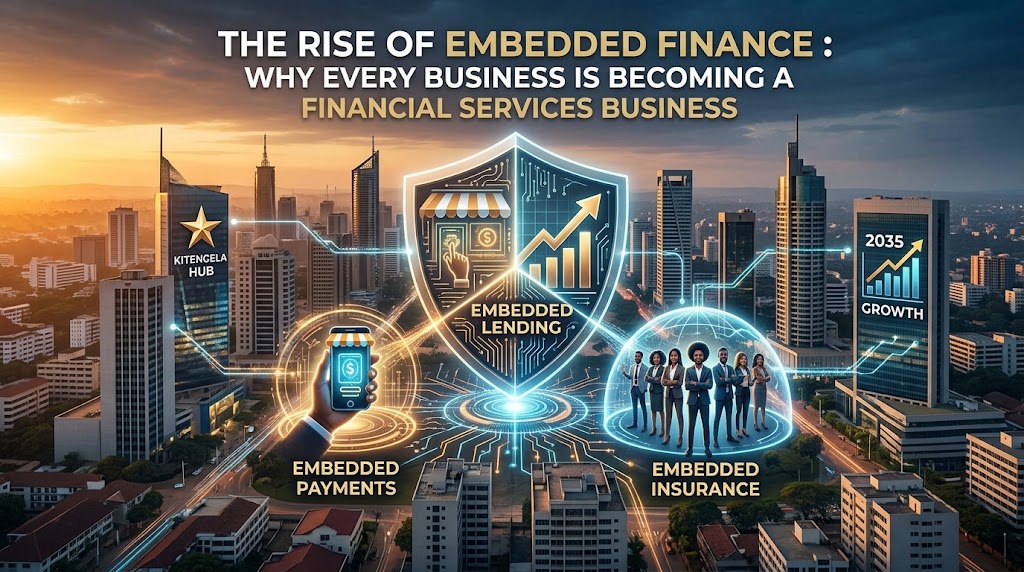
For decades, financial services belonged almost exclusively to financial institutions. Banks accepted deposits. Insurance companies mana..
History consistently demonstrates that nations prosper when entrepreneurship becomes embedded in their economic fabric. Silicon Valley transfor..
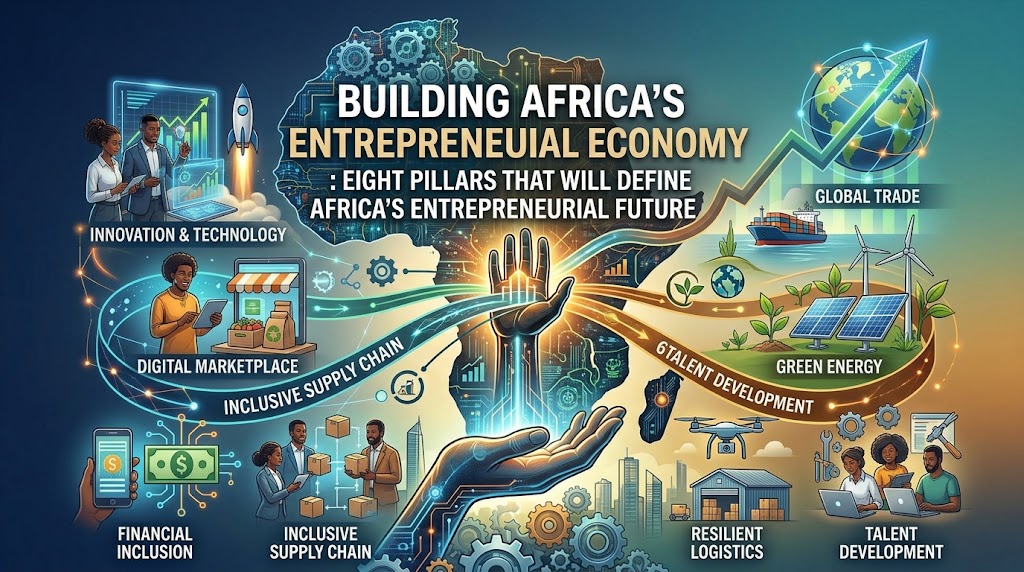
Entrepreneurship has always been a powerful force for economic transformation. What is changing today is the scale of opportunity. Artif..
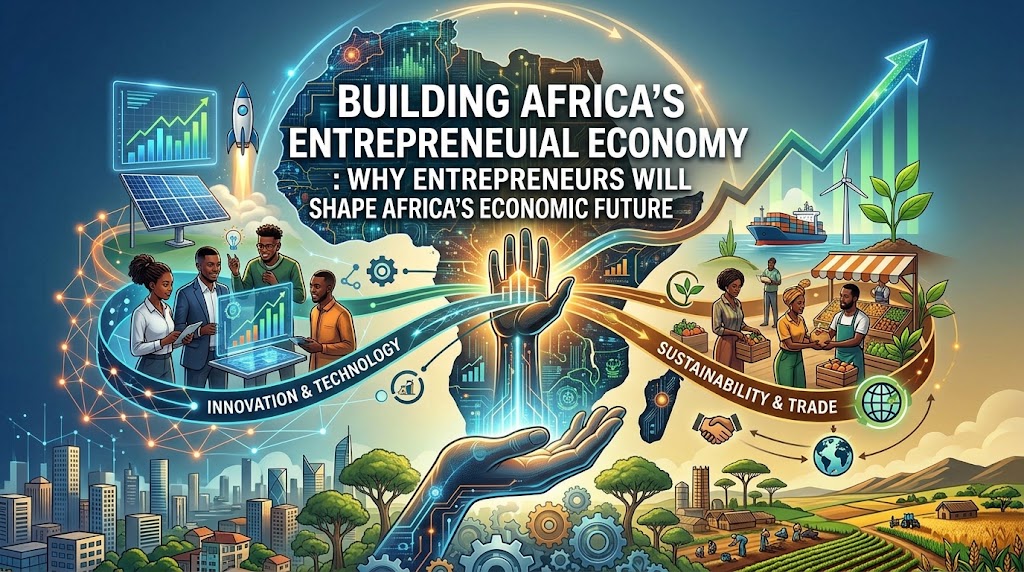
Throughout history, economic transformation has rarely been driven by governments alone. Nor has it been created solely by large corporations...
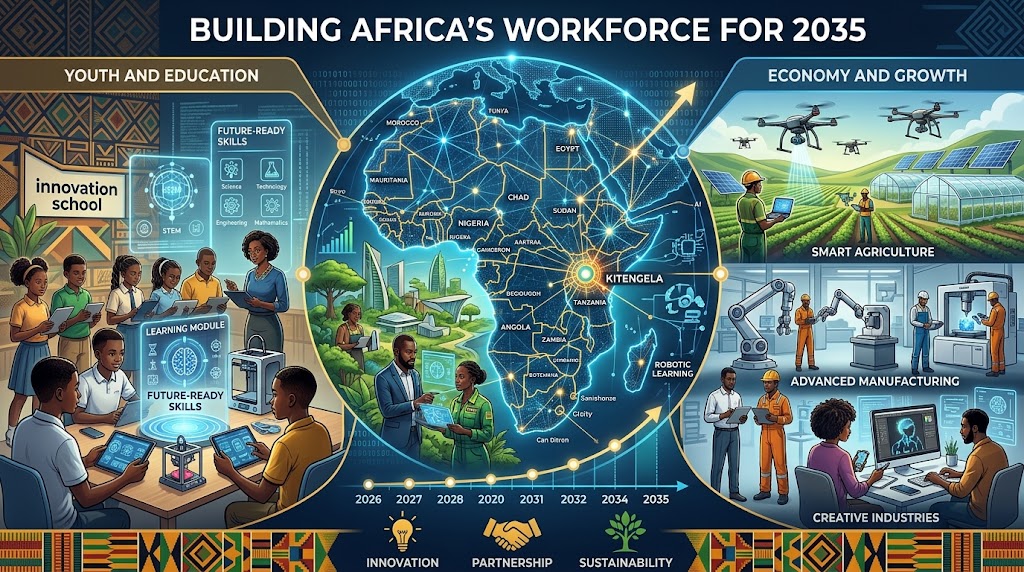
Every generation experiences a defining moment that reshapes the world of work. For our grandparents, it was industrialisation. For our ..
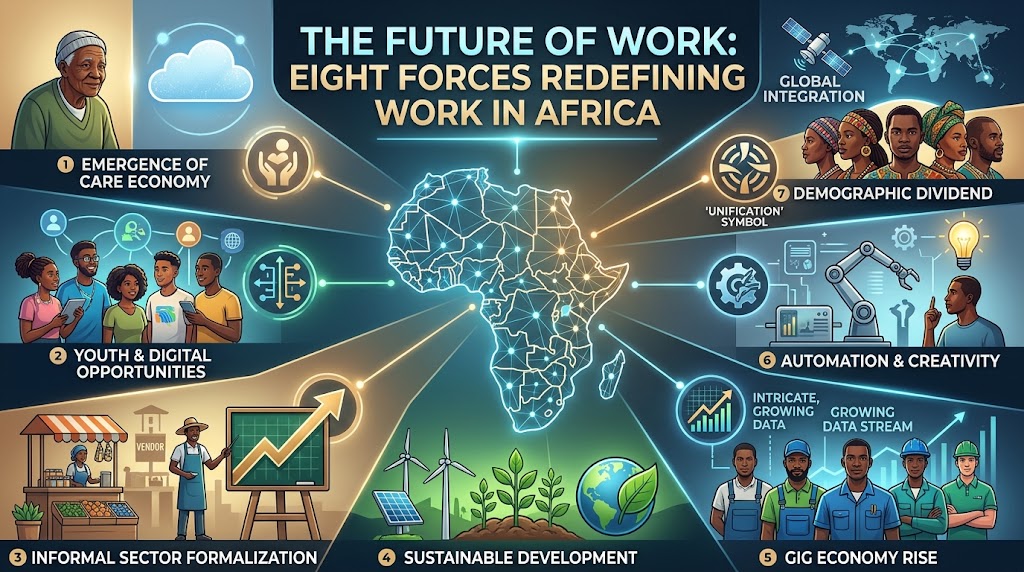
The workplace of the future will not emerge because of a single technological breakthrough. It is being reshaped by multiple forces acting simu..
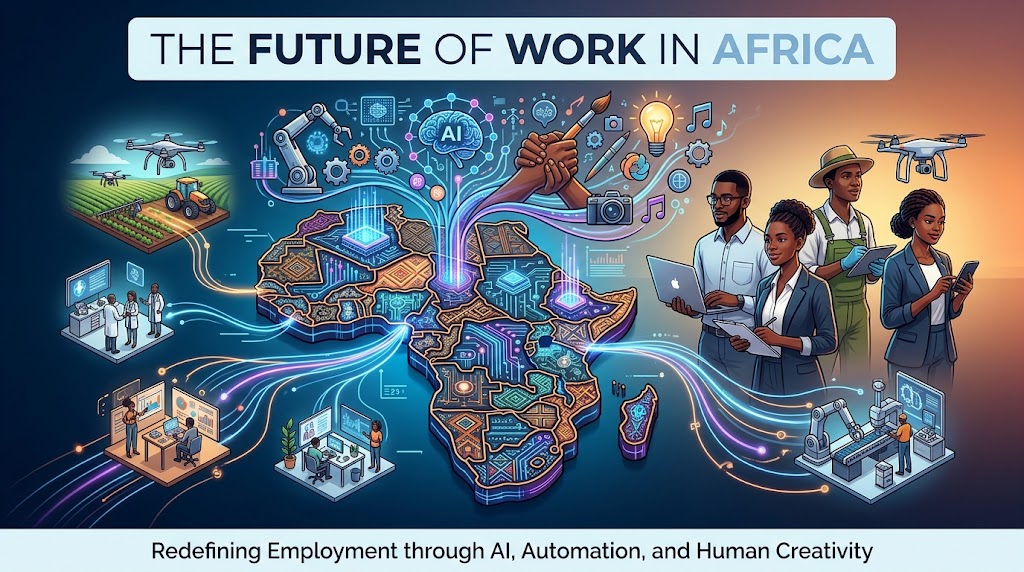
Few subjects generate as much discussion today as the future of work. Across boardrooms, classrooms, government offices, factories, banks, hosp..

Every technological revolution creates new opportunities. It also creates new responsibilities. The Industrial Revolution required new a..
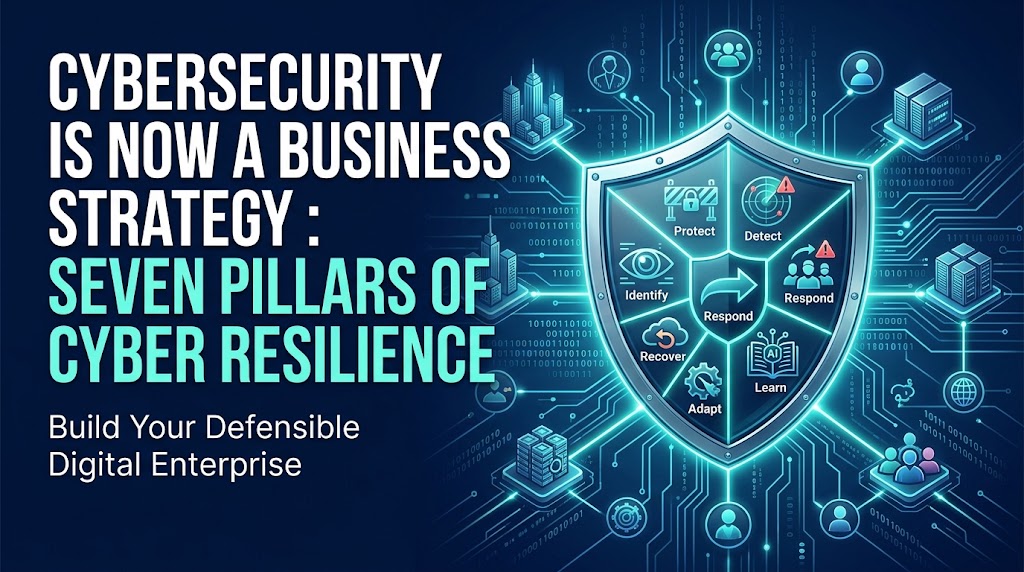
Cybersecurity has traditionally been measured by technical controls. Firewalls. Antivirus software. Encryption. Passwords. Security monitoring. These ..
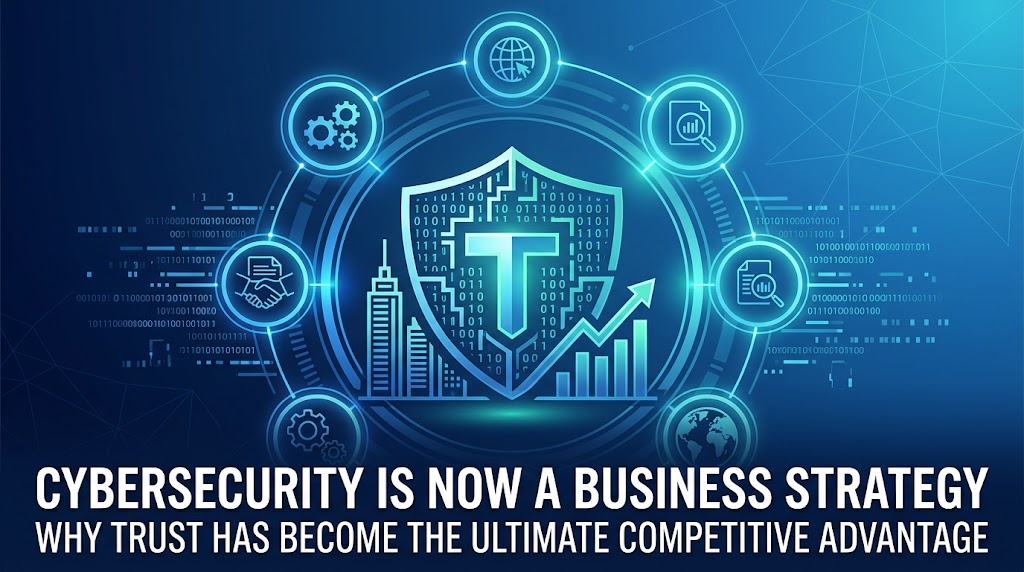
Not long ago, cybersecurity was viewed as a technical issue. It belonged in the server room. It was managed by information technology de..
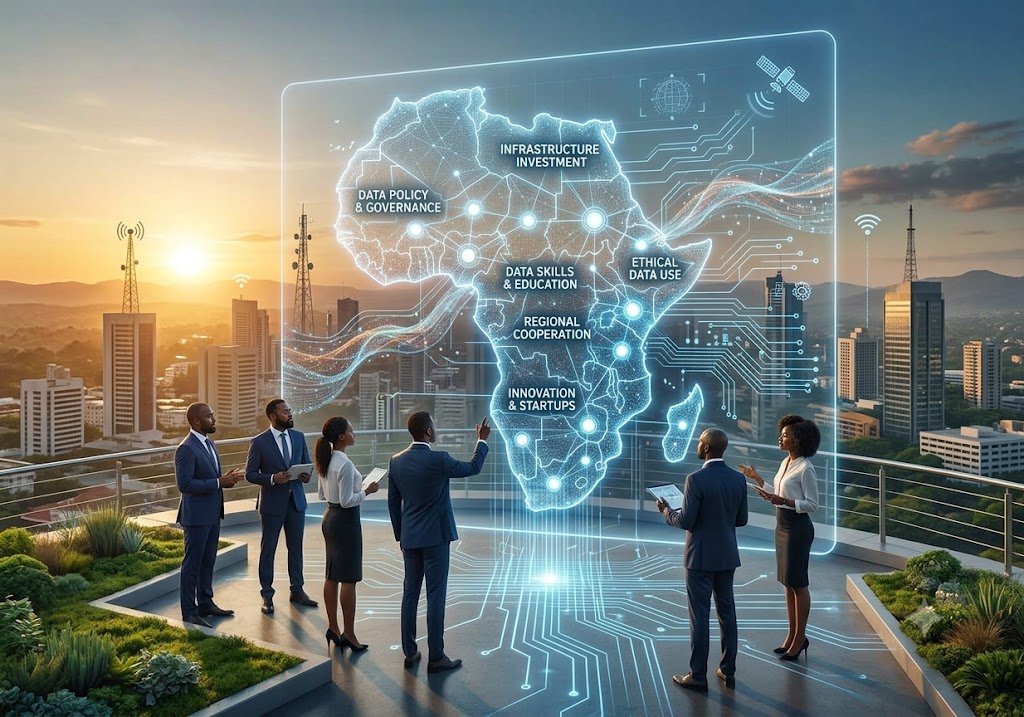
Data has become one of the defining resources of the twenty-first century. Unlike natural resources, however, data does not diminish when it is..
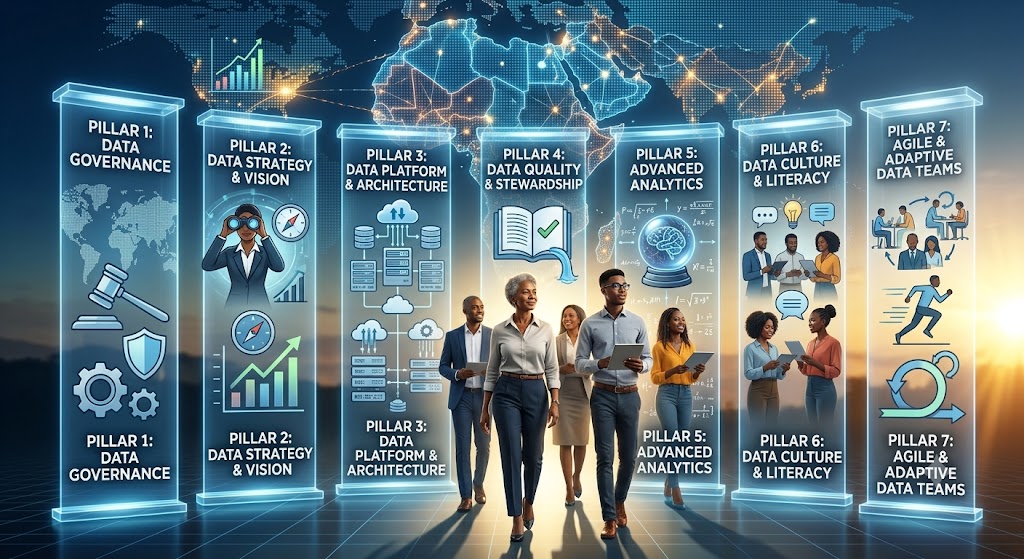
Collecting data has become relatively easy. Creating value from data remains difficult. Across Africa, organisations are investing heavi..

For years, business leaders have heard a familiar phrase: "Data is the new oil." It is an appealing comparison. ..

Financial inclusion is often measured using statistics. The number of bank accounts opened. The volume of digital transactions processed..
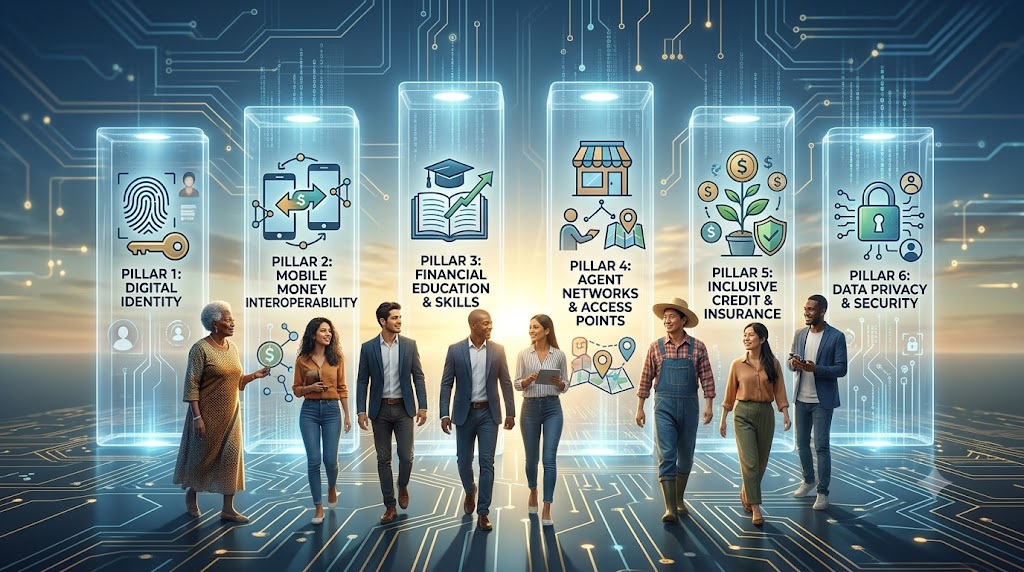
Africa's next chapter of financial inclusion will not be written by one institution or one technology. It will be shaped by an ecosystem o..
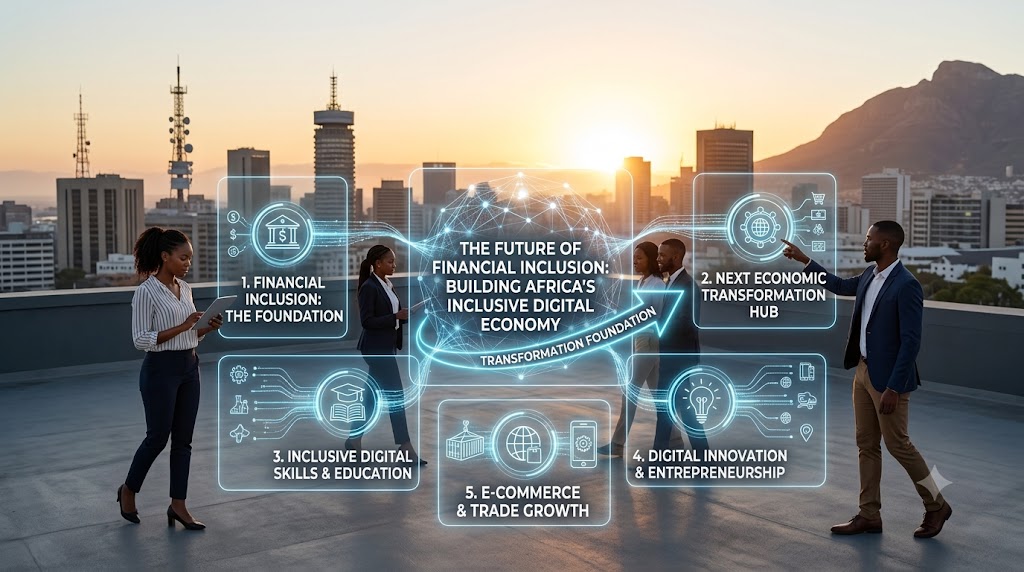
Few ideas have reshaped Africa's economic landscape more profoundly than financial inclusion. Over the past two decades, millions of peopl..
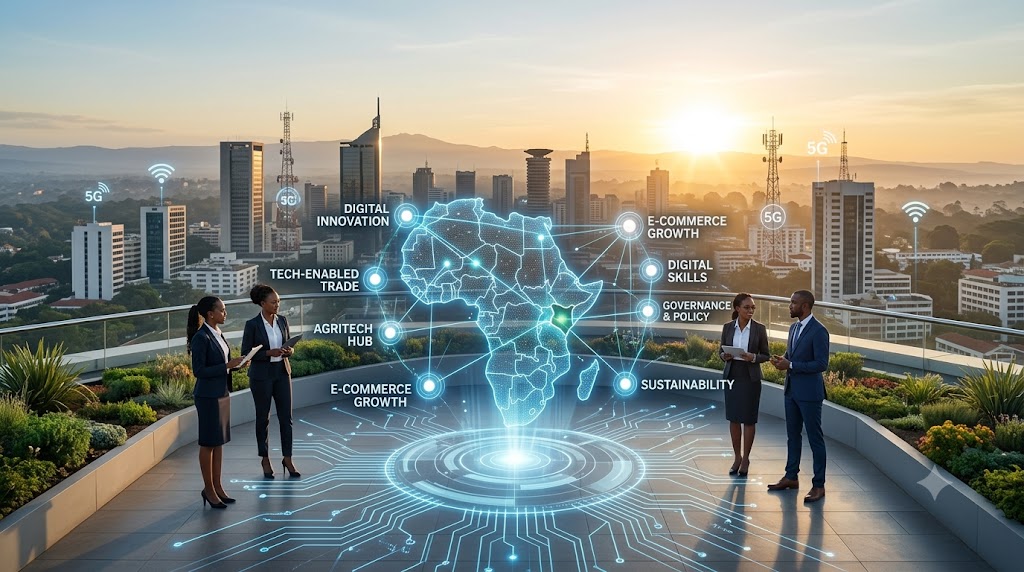
Kenya has already demonstrated that bold innovation can transform a nation's economic trajectory. From pioneering mobile money to becoming..
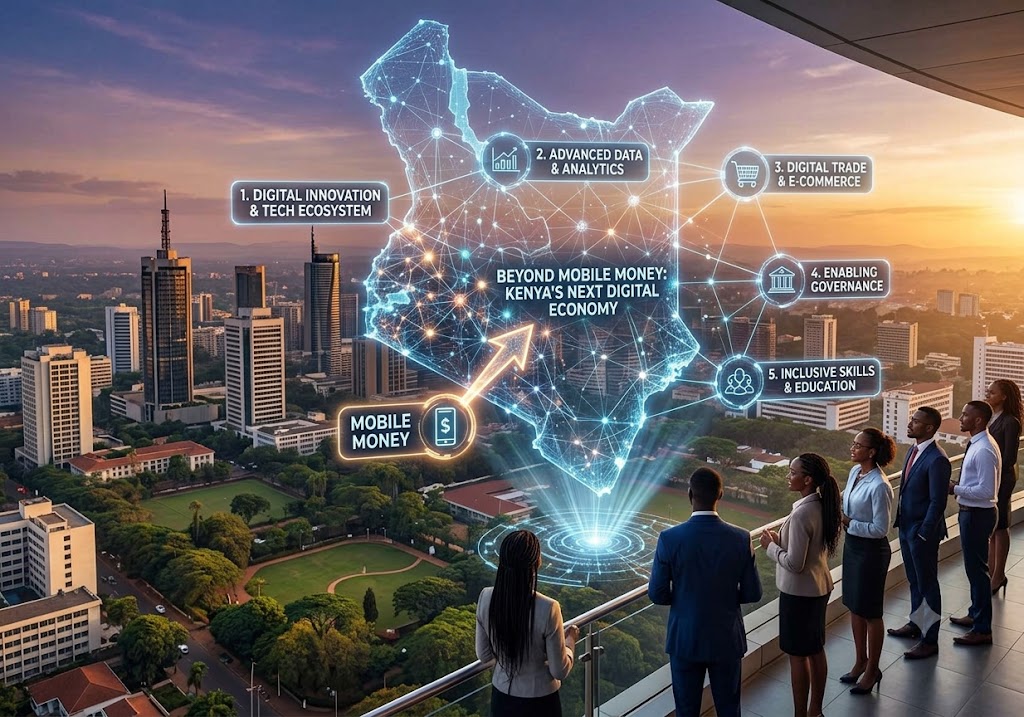
Kenya's reputation as a global leader in mobile money was earned through bold innovation, strong public-private collaboration, and a willingness ..
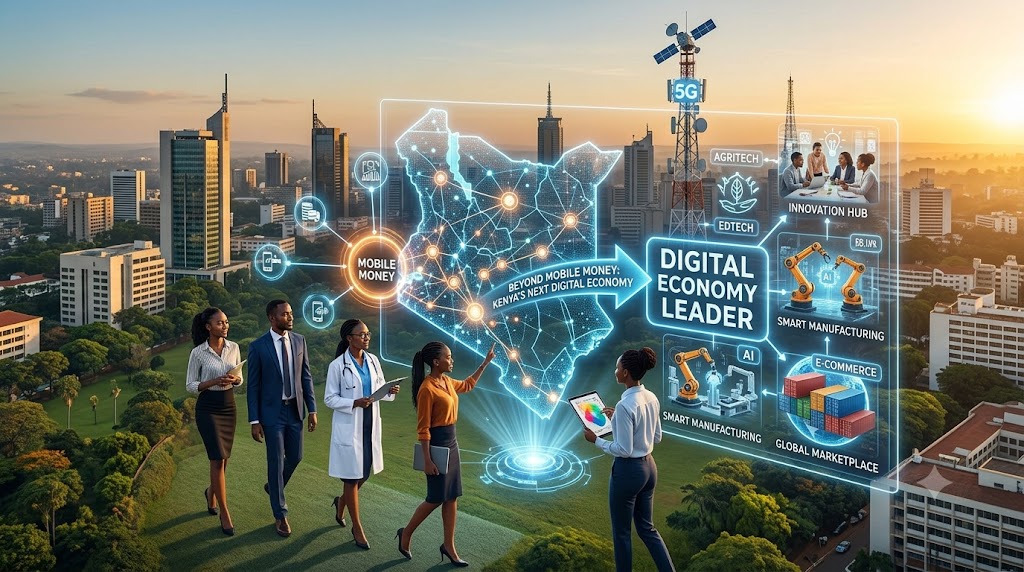
For more than a decade, Kenya has been recognised as one of the world's most influential digital innovation success stories. What began as..

Throughout history, the nations and organisations that have achieved lasting prosperity have not necessarily been those with the greatest natural reso..

If innovation is fundamentally a leadership choice, then an important question naturally follows: What do innovative leaders do differe..
Walk into the headquarters of almost any successful organisation today and one word is almost guaranteed to appear somewhere in its corporate literatu..
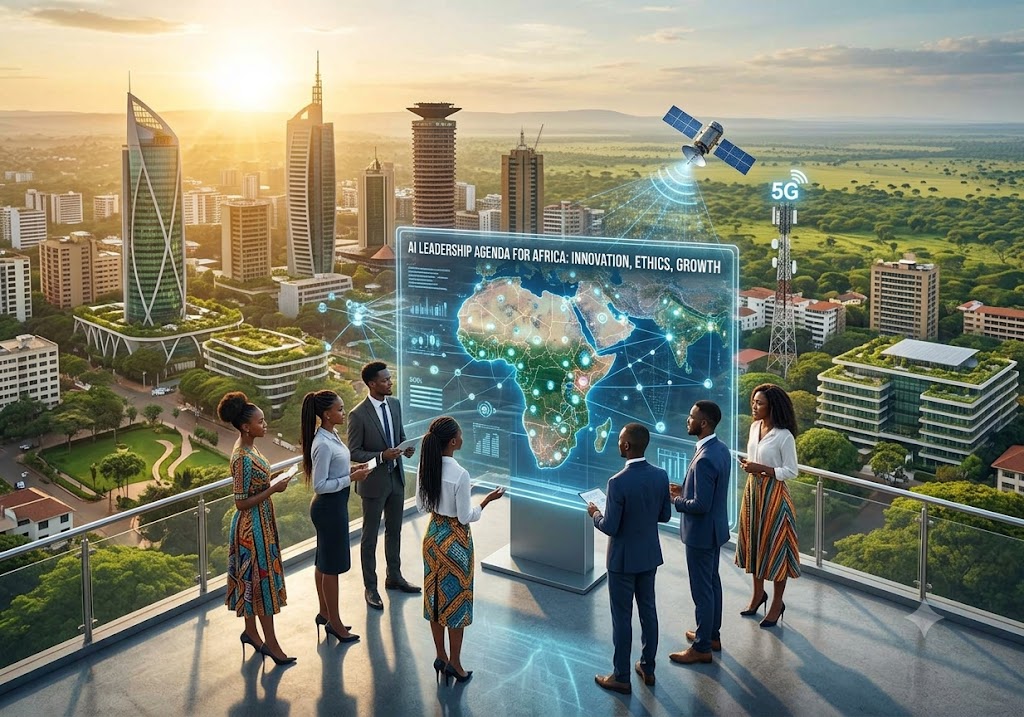
Every major technological revolution has produced winners and losers. The difference has rarely been access to technology alone. More often, it has be..
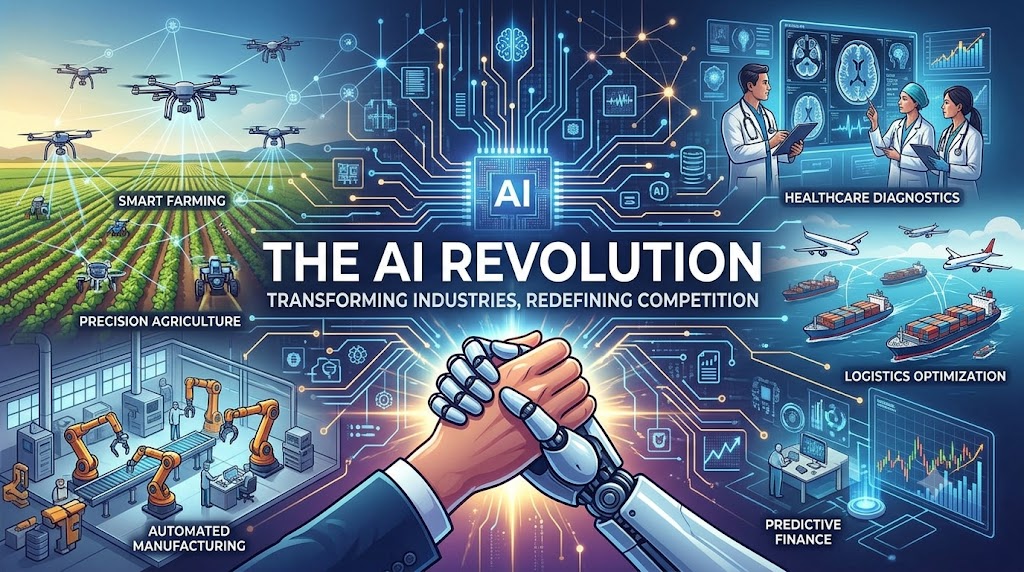
If the first wave of Africa's digital transformation was driven by mobile connectivity and digital payments, the next wave is being shaped by art..
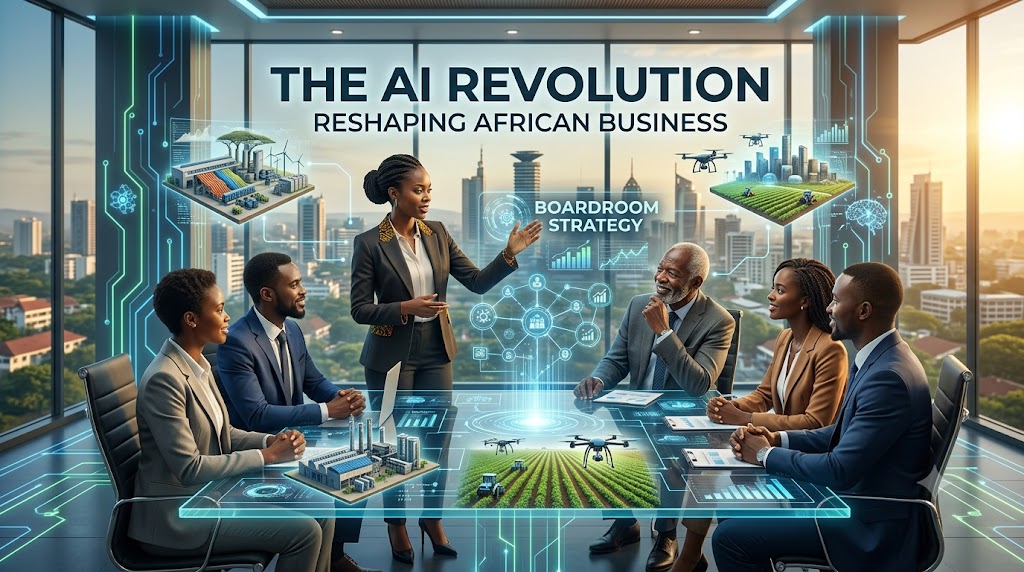
Not long ago, artificial intelligence belonged largely to the world of science fiction. It was imagined as intelligent robots, futuristic cities, and ..

The future has a remarkable way of arriving quietly. It rarely announces itself with a single breakthrough or dramatic event. Instead, ..
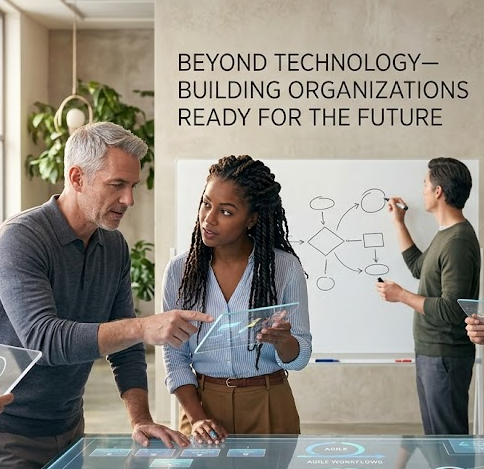
In boardrooms across Africa, one conversation is becoming increasingly common. Senior executives are approving investments in enterprise software, clo..
On any given morning in Nairobi, Lagos, Kigali, Johannesburg, or Accra, millions of business transactions take place without a single exchange of cash..
Have a question, partnership idea, or want to get in touch? Send a message below.
+254 721 138 939
Pili Trade Centre, Mombasa Road, Nairobi. 1st Floor, Suite A110
ideashub@basiliojoshua.co.ke
 Lets Connect
Be the first to Comment